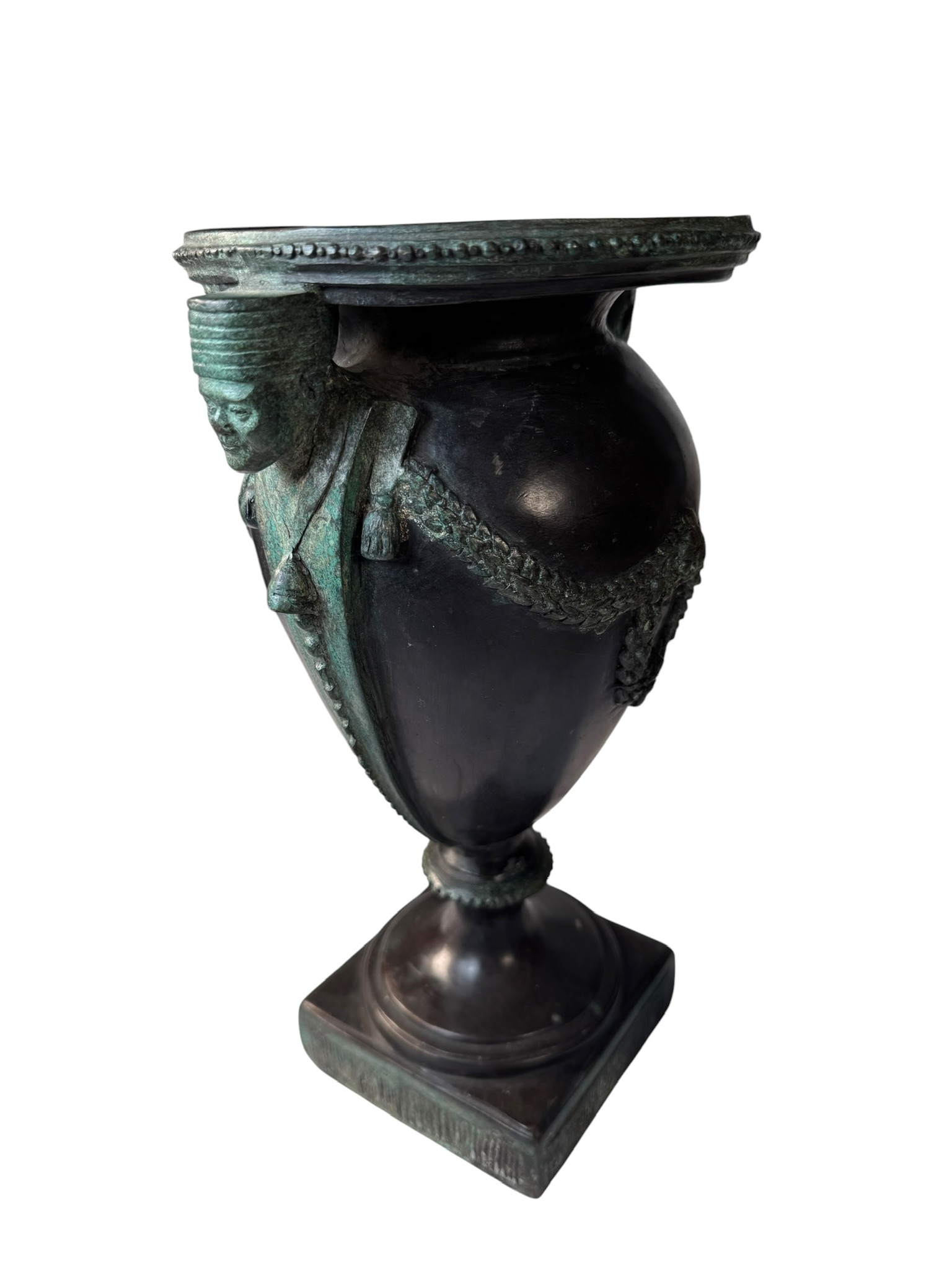
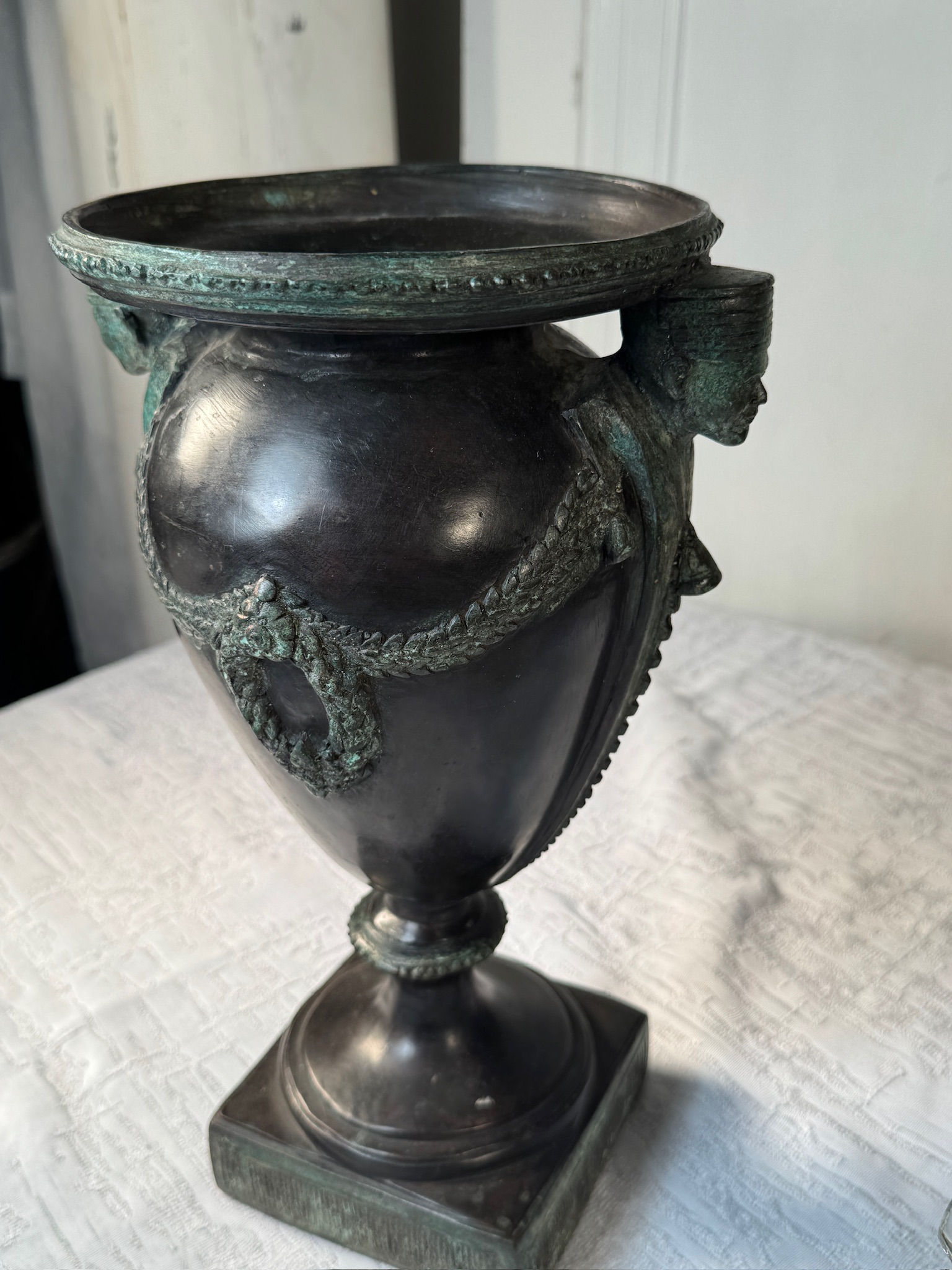
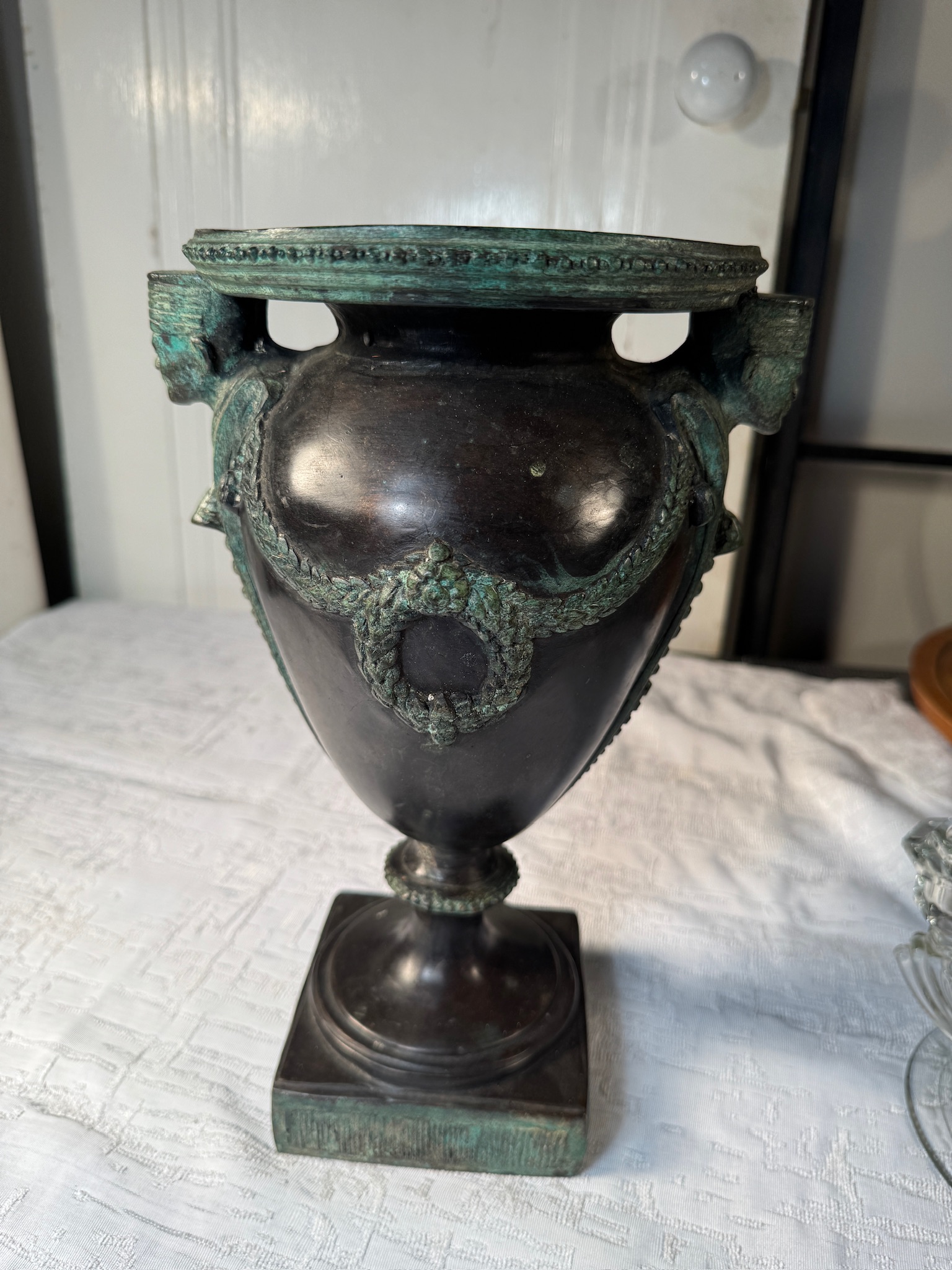
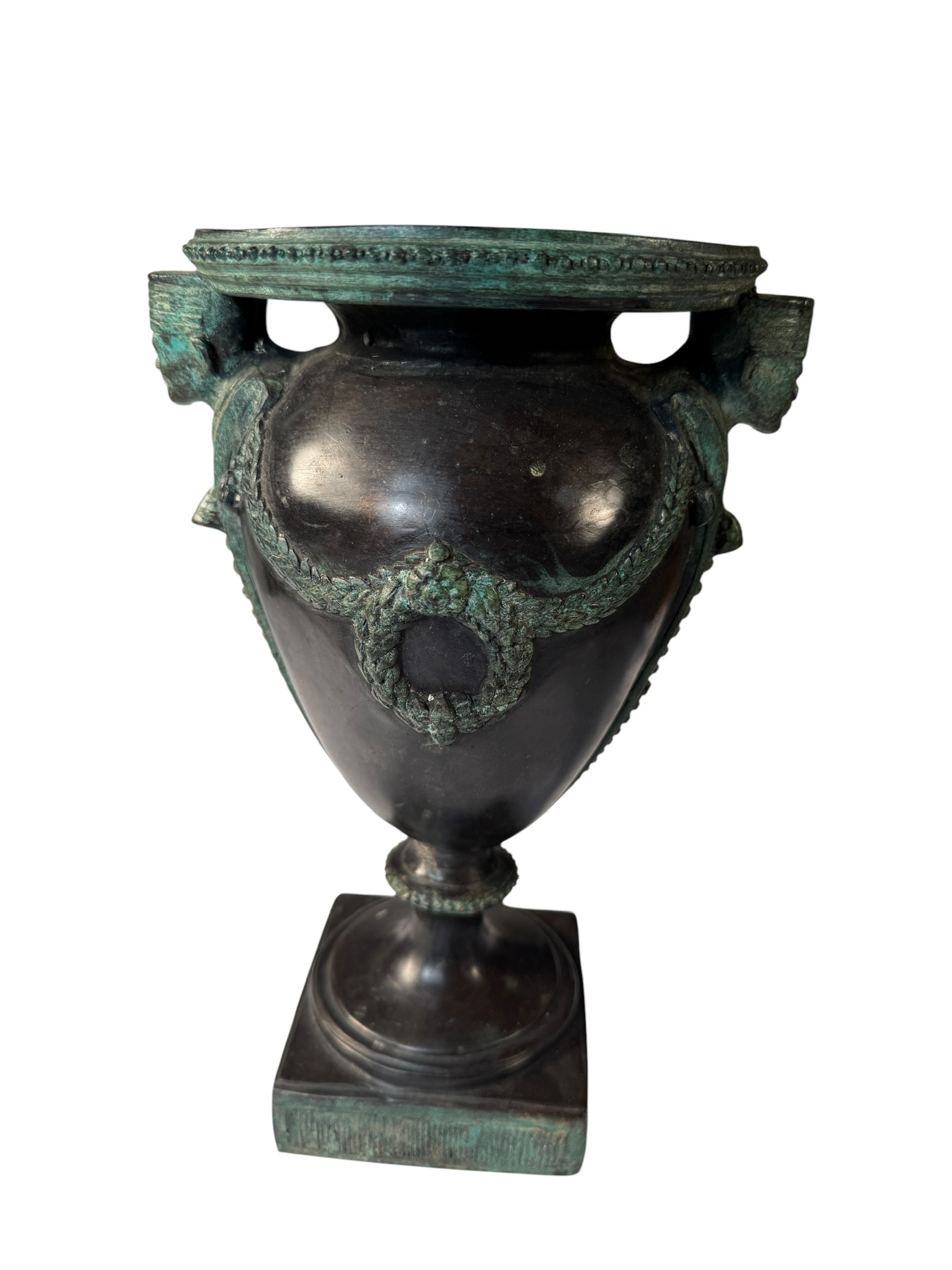
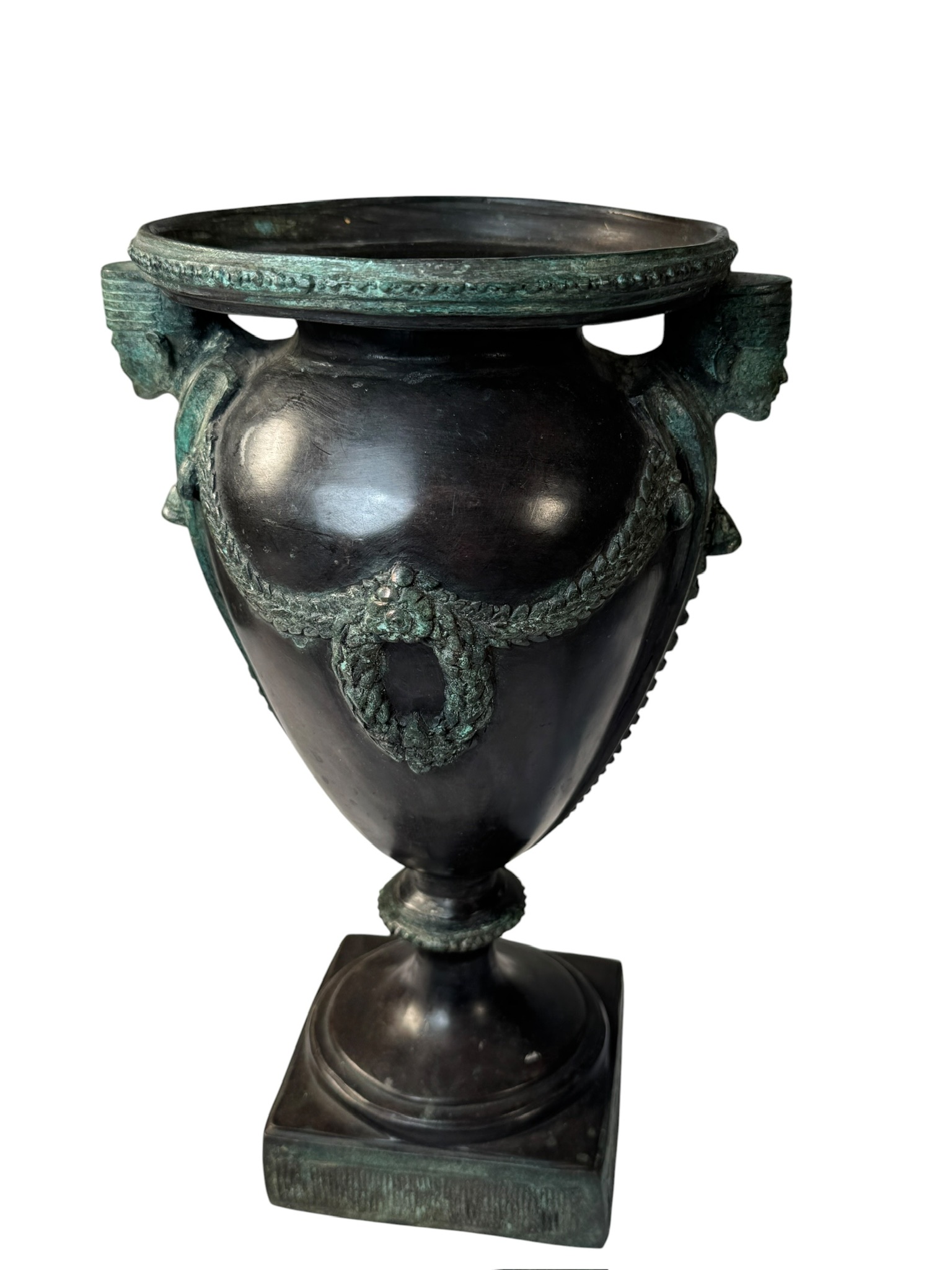
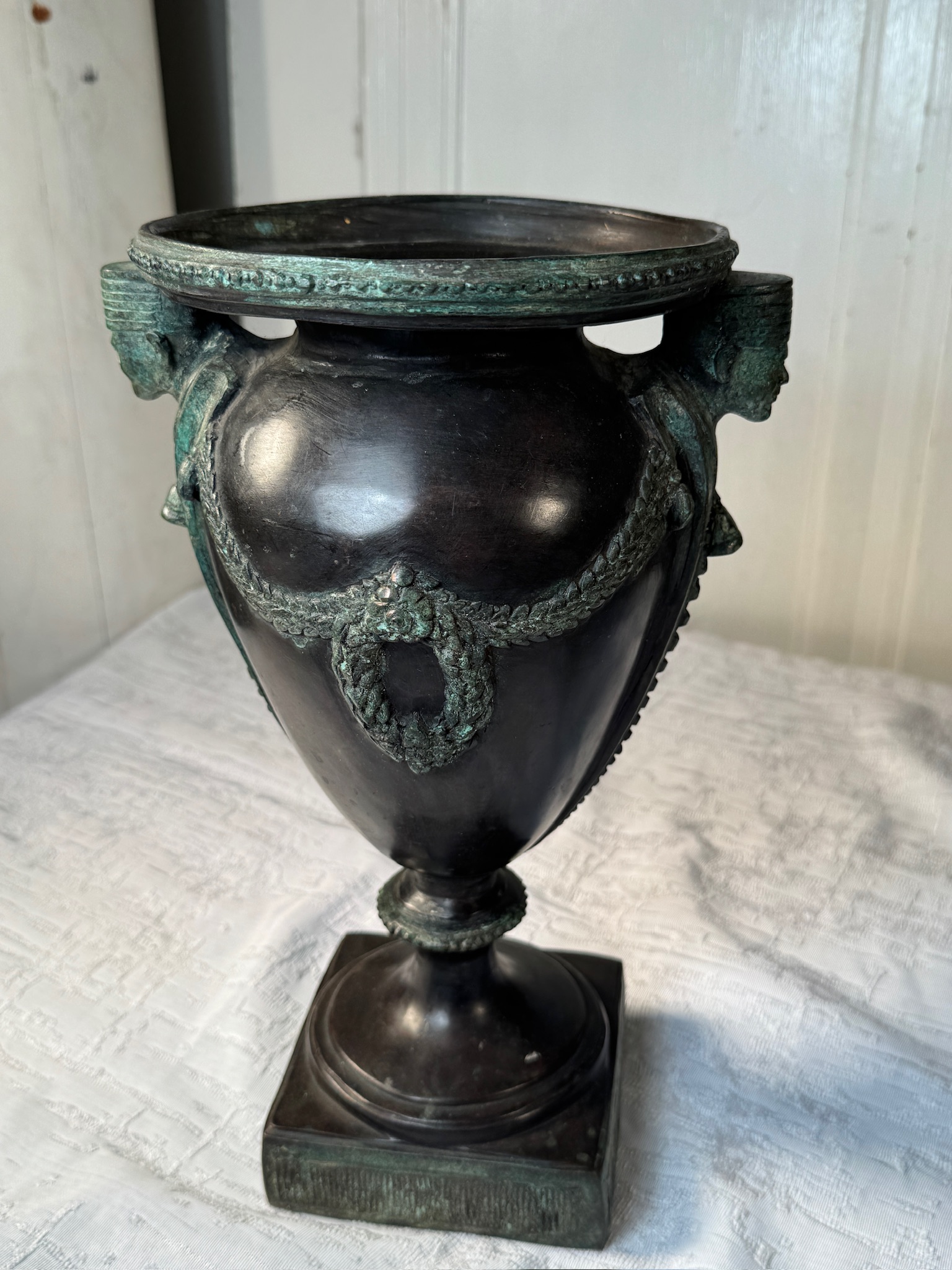
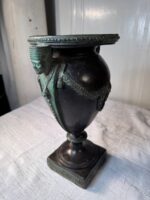
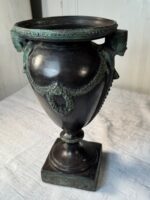
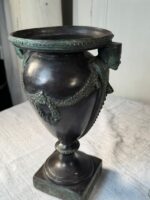
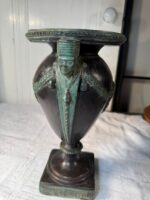
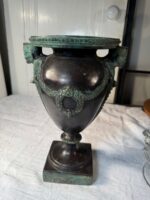
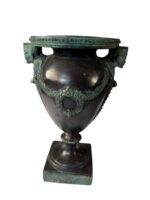
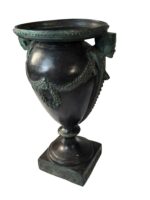
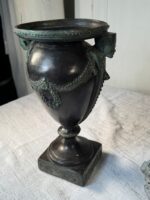
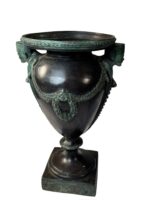
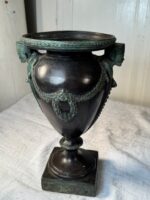
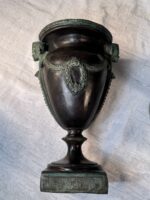
Offered here is a striking Egyptian Revival bronze urn executed in the French Empire taste and dating to the late nineteenth century. Richly modeled and architecturally inspired, this impressive decorative object combines classical urn form with distinctly Egyptian motifs, resulting in a dramatic statement piece that reflects one of the most fascinating design movements of the nineteenth century.
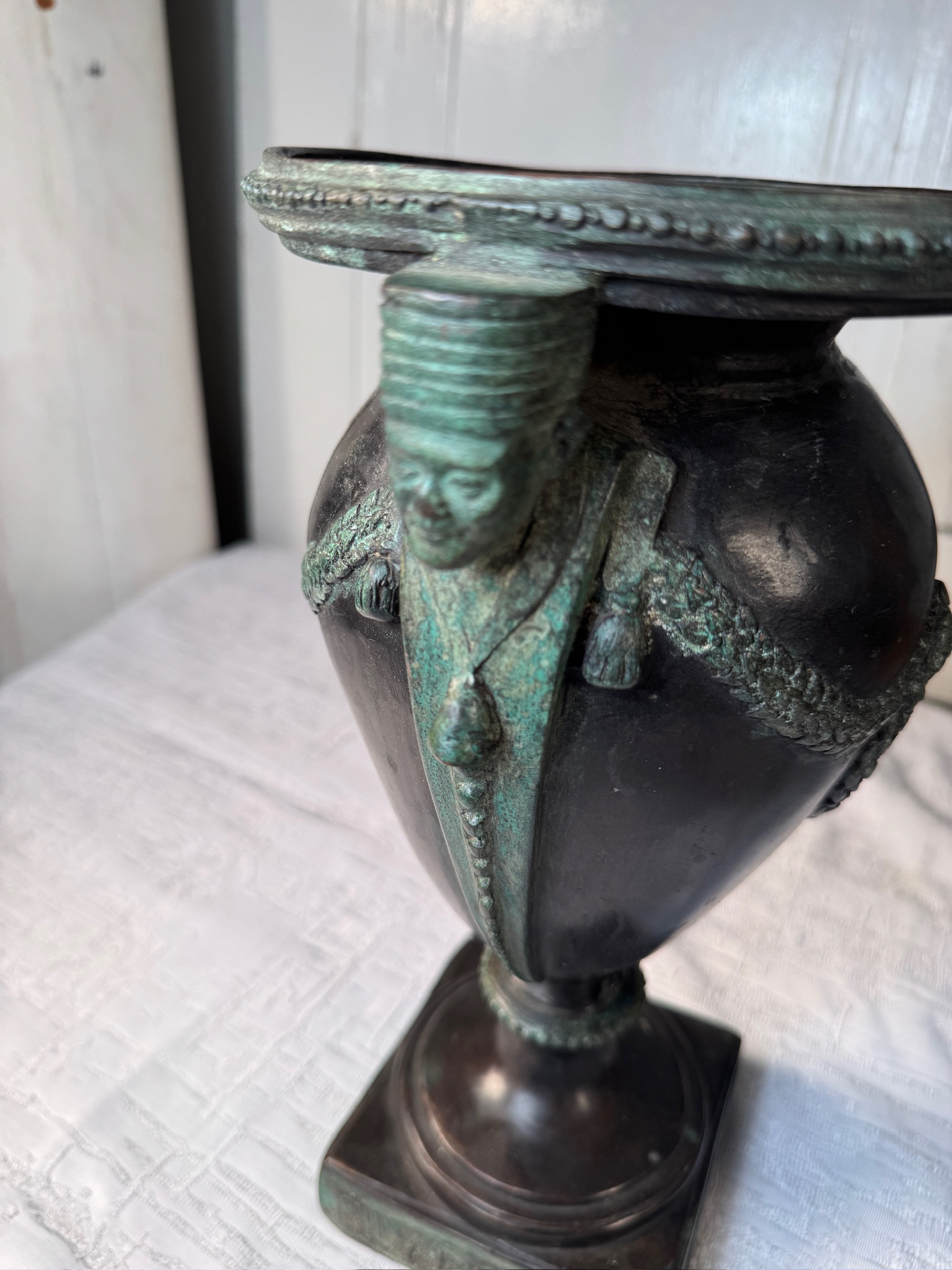
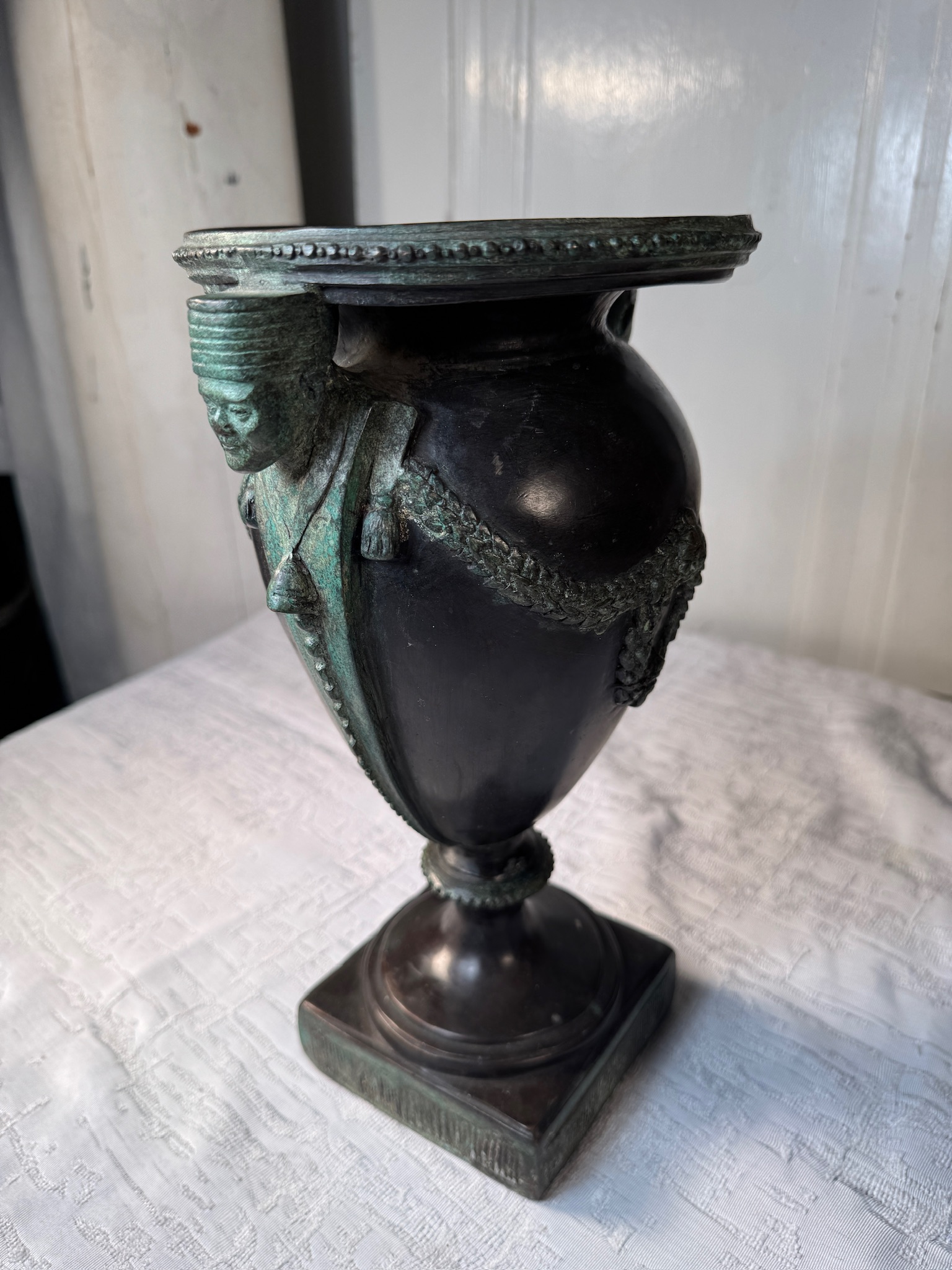
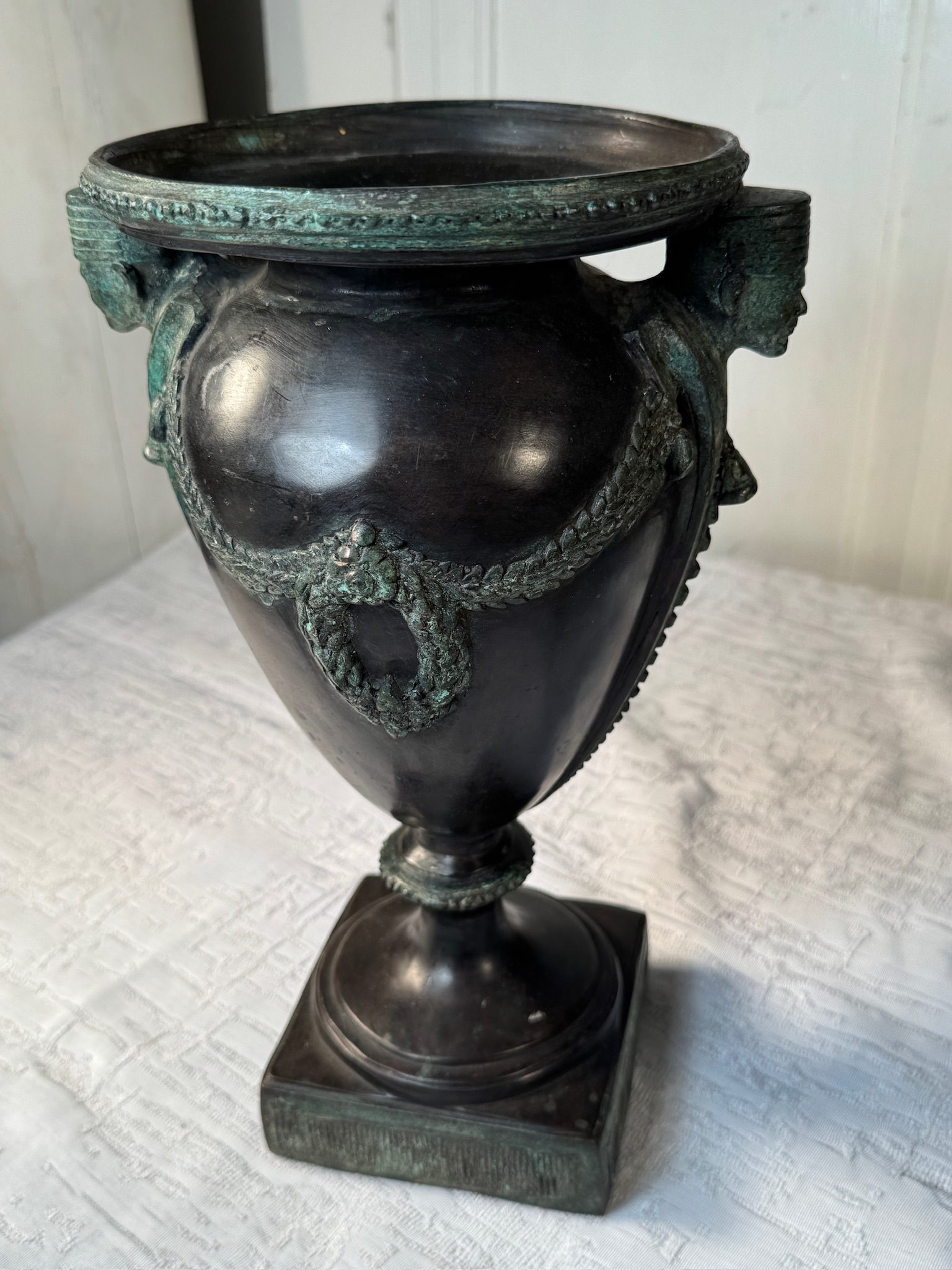
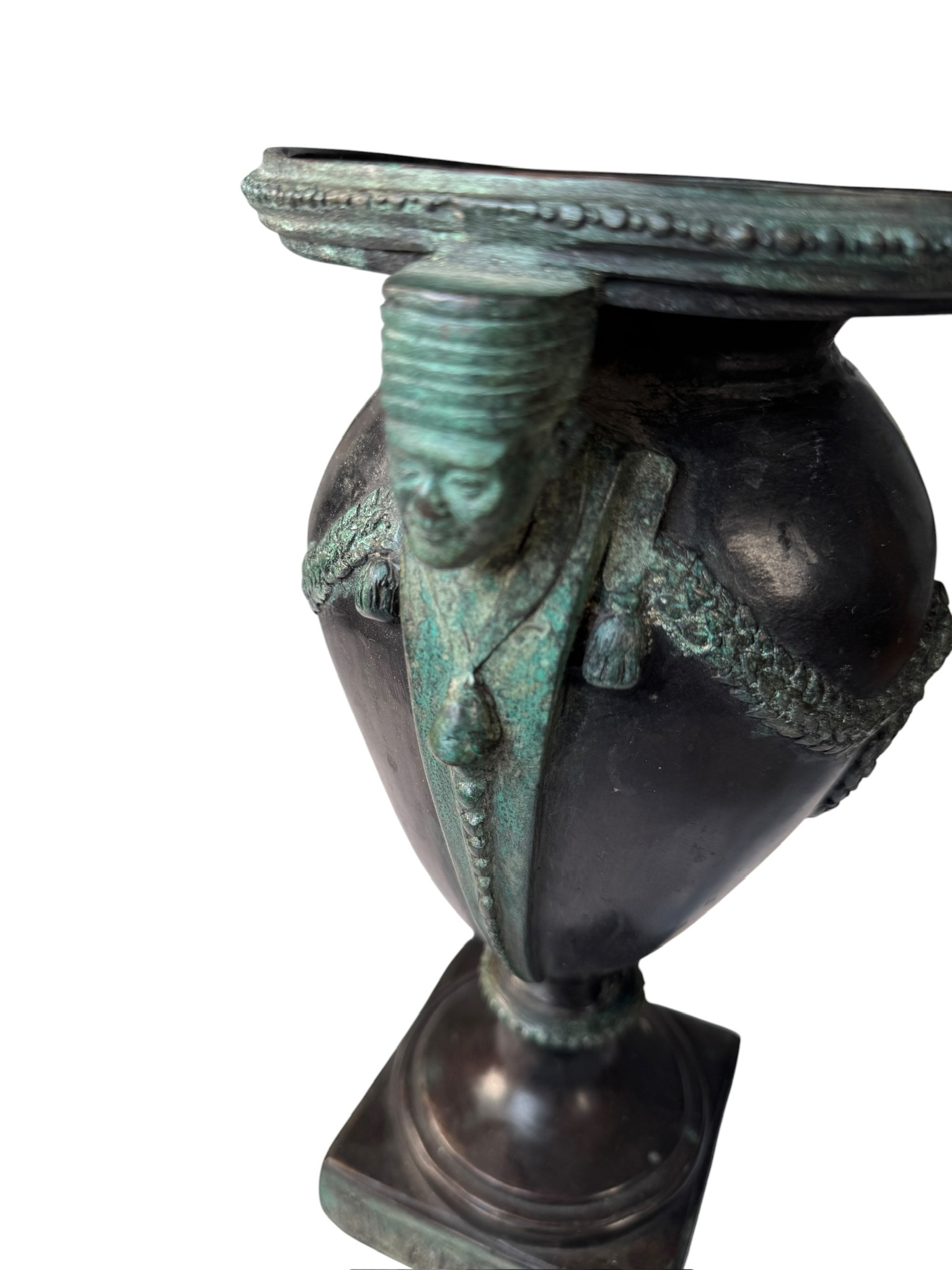
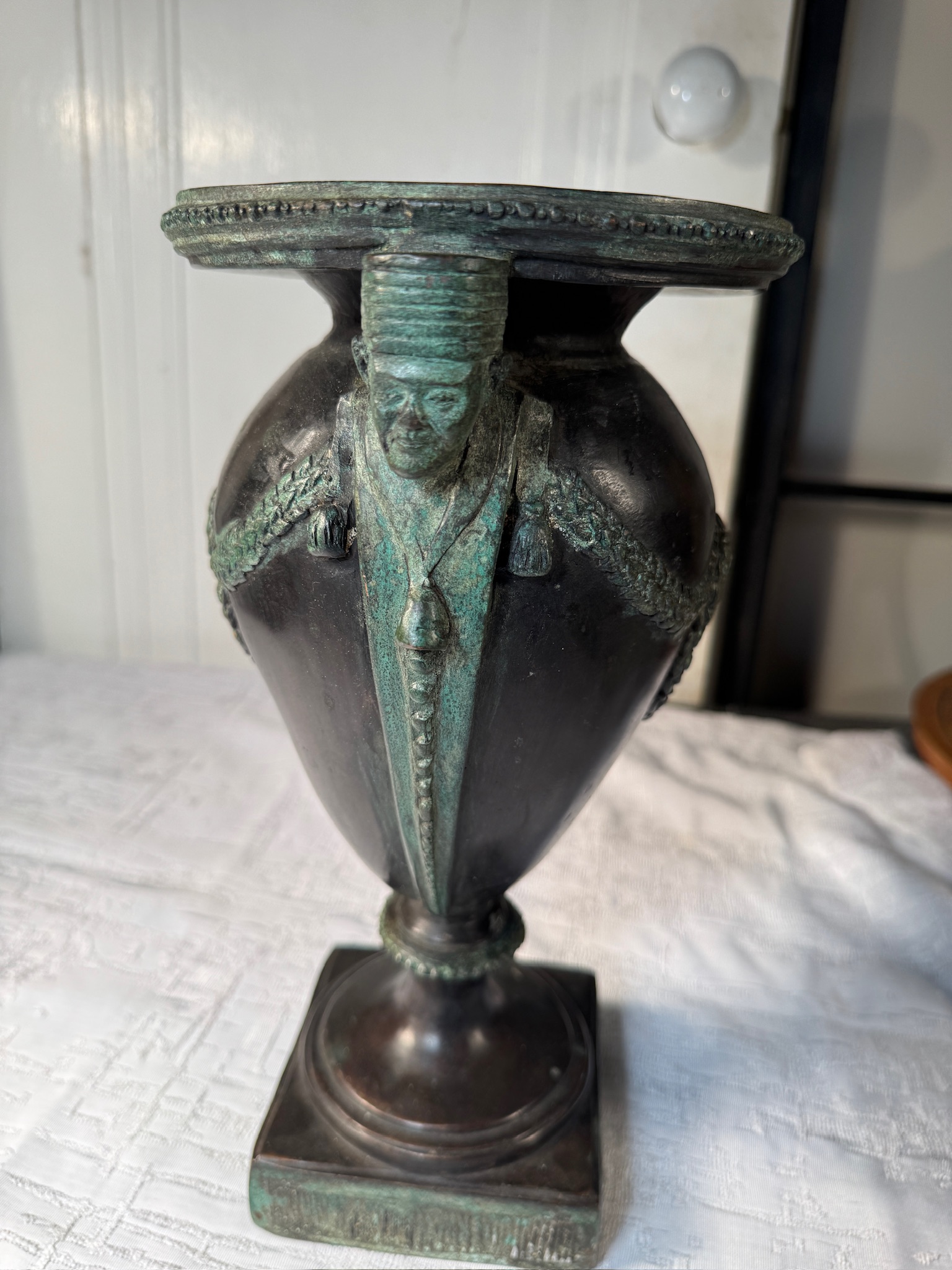
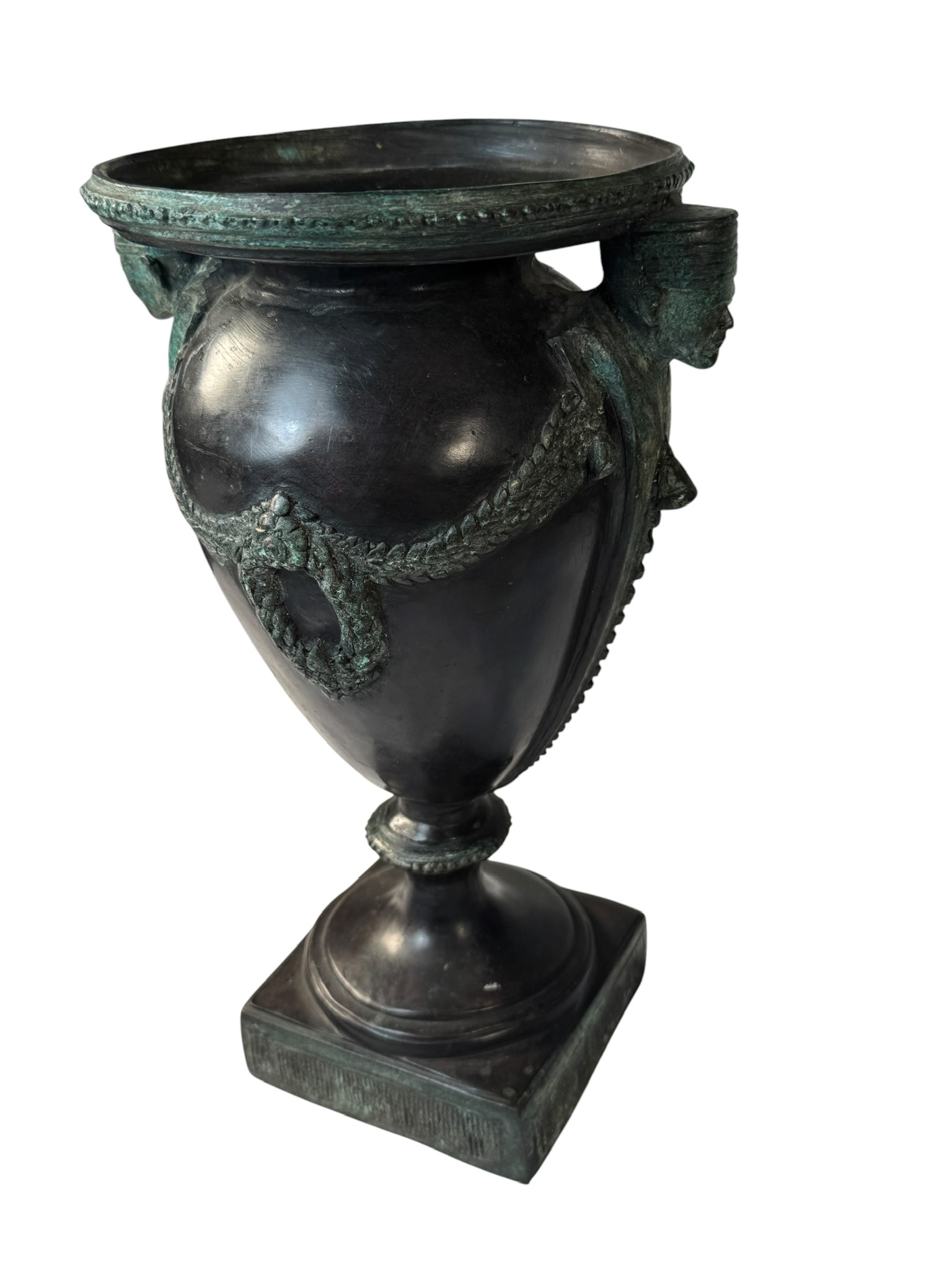
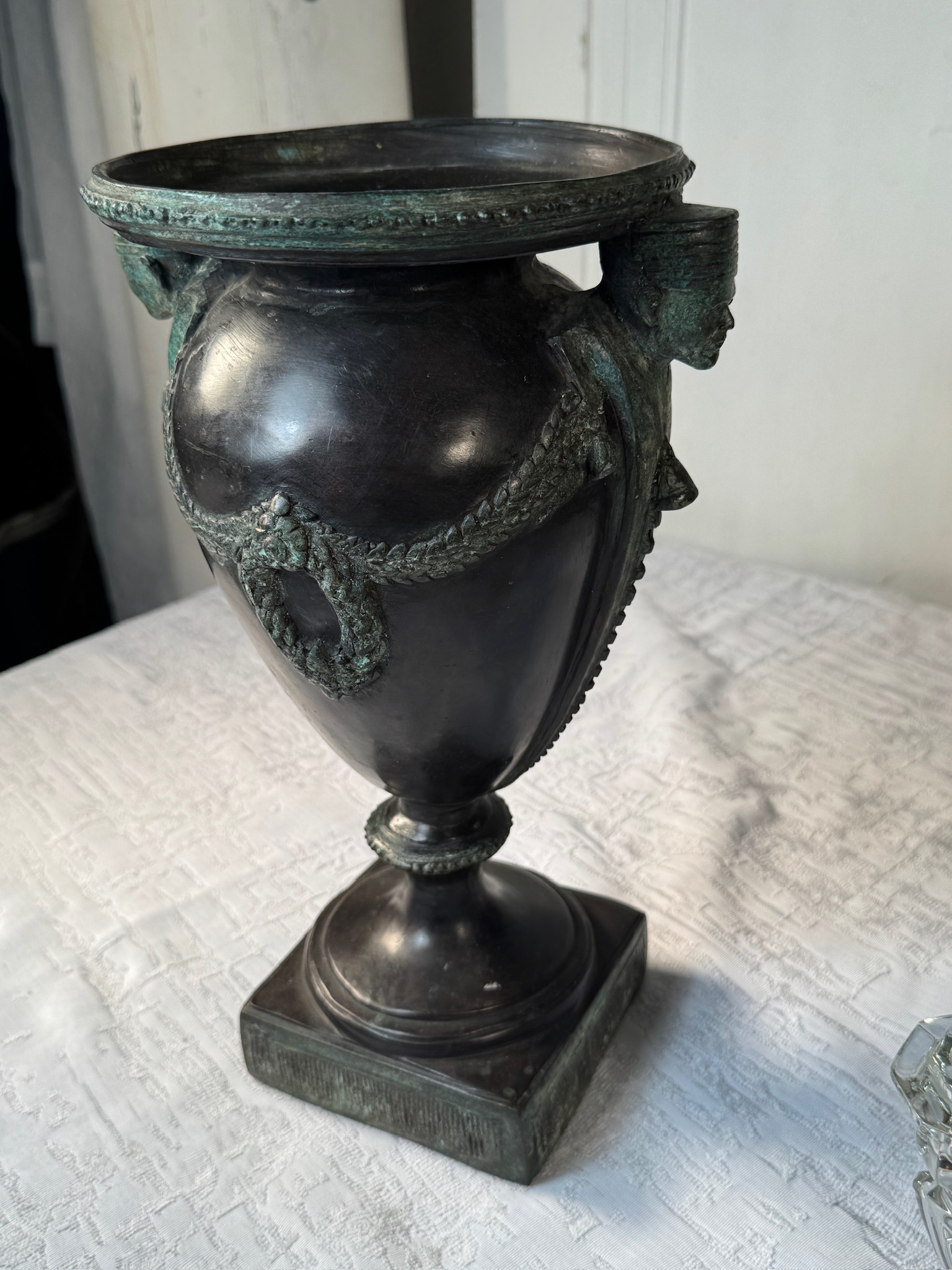
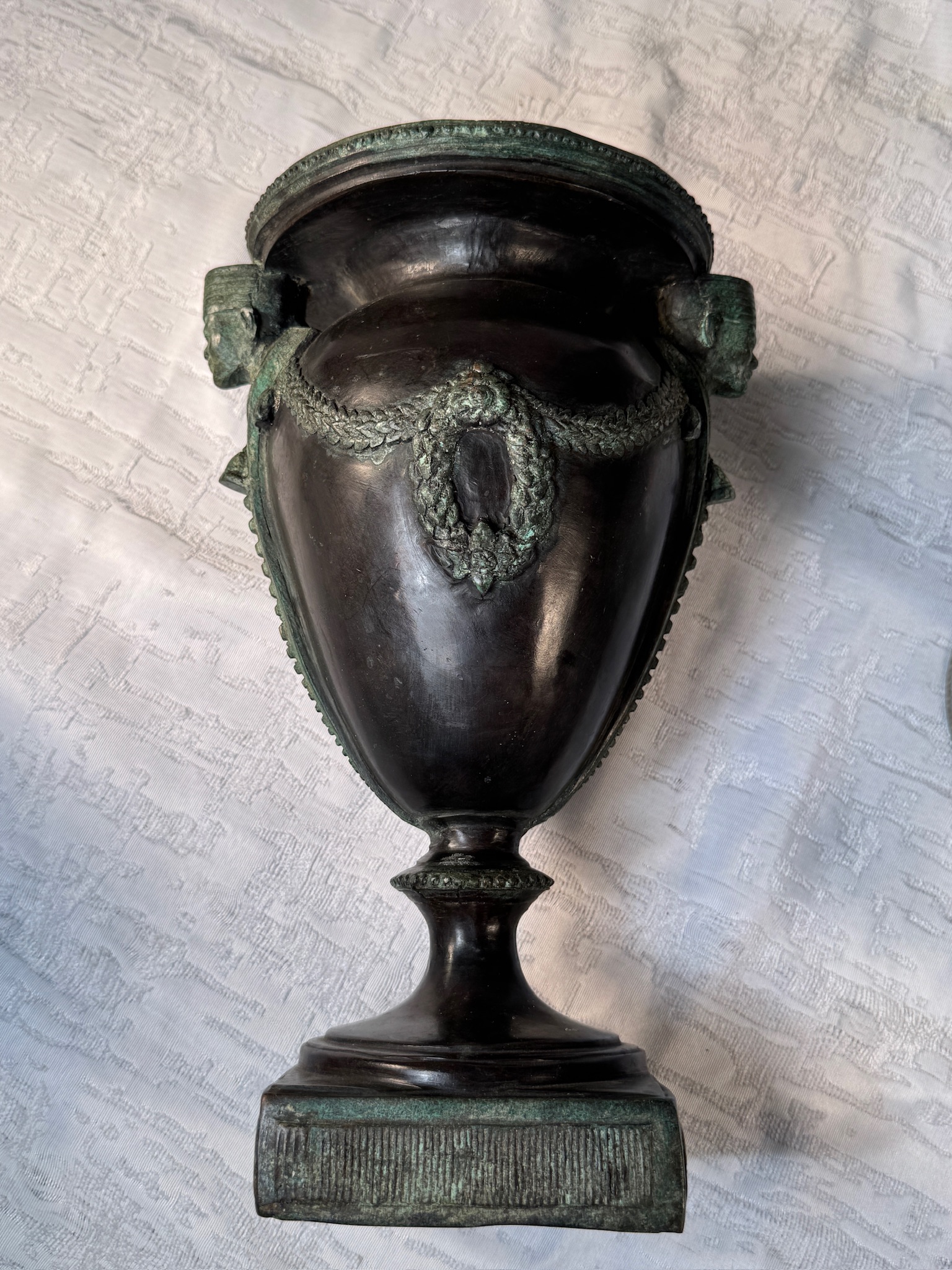
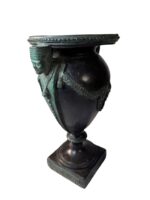
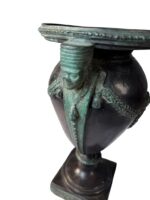
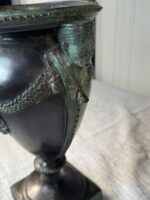
The urn features a substantial campana-inspired body rising from a square pedestal base. Flanking the vessel are finely cast Egyptian-style mask mounts, while draped garlands and decorative relief elements wrap gracefully around the body. The combination of classical proportions and exotic ornamentation creates the bold visual presence that made Egyptian Revival furnishings so desirable during the Victorian and Belle Époque eras.
Its dark bronze finish is beautifully accented by natural verdigris patination throughout the raised decorative details, highlighting the sculptural quality of the casting and lending the piece tremendous character and depth.
Whether displayed as a standalone decorative object, incorporated into a collection of Empire furnishings, or used as an architectural accent, this urn offers timeless appeal and exceptional decorative presence.
THE EGYPTIAN REVIVAL MOVEMENT
Few artistic movements captured the imagination of Europe quite like Egyptian Revival.
Interest in Egyptian art and architecture surged following Napoleon Bonaparte’s Egyptian campaign at the end of the eighteenth century. The expedition introduced Europe to the monuments, hieroglyphics, and visual culture of ancient Egypt on an unprecedented scale. Publications documenting the discoveries sparked widespread fascination among artists, architects, designers, and collectors.
By the early nineteenth century, Egyptian motifs began appearing in furniture, decorative arts, architecture, and interior design. The style experienced multiple revivals throughout the nineteenth century, particularly in France, where it merged naturally with the grandeur and monumentality of Empire design.
Objects such as this urn allowed homeowners and collectors to bring a sense of archaeological romance and historical sophistication into their interiors. Egyptian-inspired forms symbolized permanence, power, and timeless elegance, making them especially popular in grand residences and formal settings.
FRENCH EMPIRE INFLUENCE
This piece displays many hallmarks associated with French Empire and later Empire Revival decorative arts.
The strong architectural silhouette, pedestal base, symmetrical composition, and carefully balanced ornamentation all reflect the influence of Empire design. At the same time, the Egyptian masks and stylized decorative elements reveal the fascination with antiquity that characterized the period.
Rather than relying on excessive embellishment, the design achieves impact through proportion, sculptural modeling, and thoughtful placement of decorative details.
The result is an object that feels both powerful and refined.
Viewed from any angle, the urn presents a harmonious composition of curves, geometric forms, and symbolic ornament. The profile is elegant yet substantial, making it equally successful as a focal point on a mantel, console, pedestal, or library shelf.
EXCEPTIONAL DECORATIVE DETAILS
One of the most captivating features of this urn is the quality of its decorative casting.
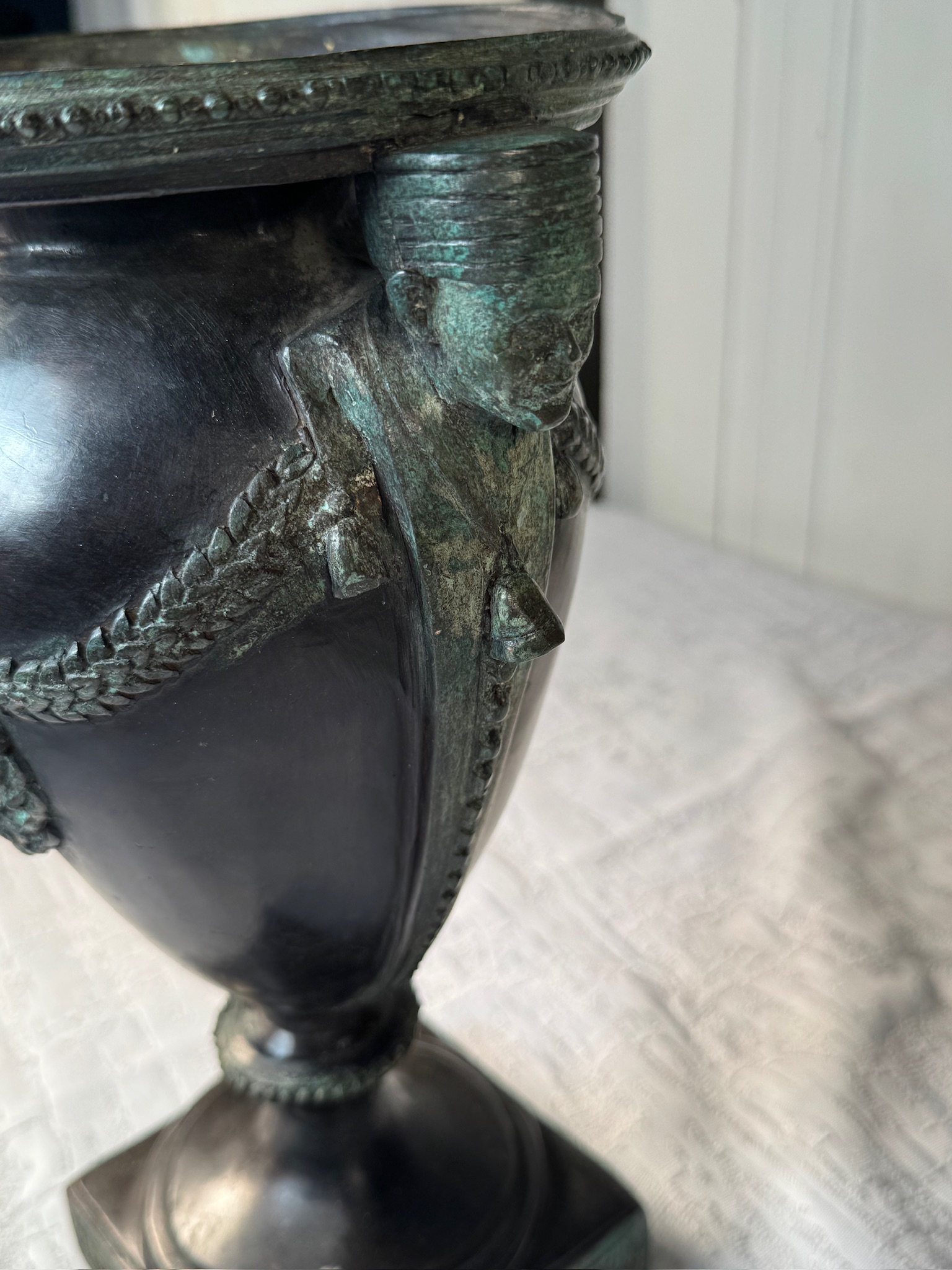
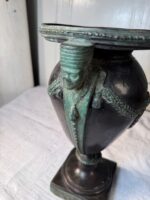
The Egyptian-inspired heads positioned beneath the rim create a dramatic visual anchor and immediately establish the object’s historical inspiration. These finely modeled masks exhibit expressive features and traditional Egyptian styling that enhance the urn’s authenticity and decorative appeal.
Below the masks, draped garlands encircle the vessel, creating movement across the smooth bronze surface. These garlands soften the overall form while adding visual richness and texture.
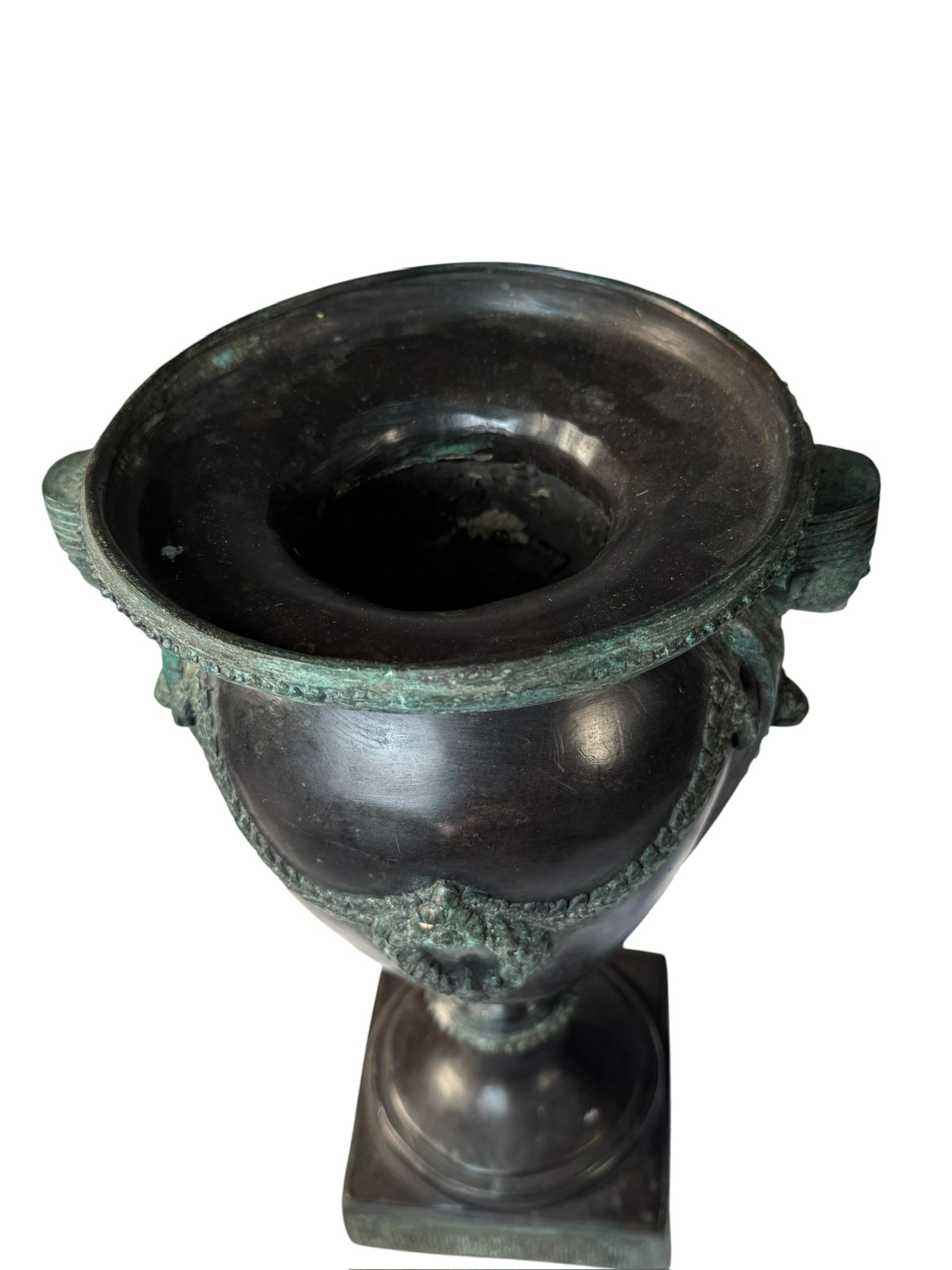
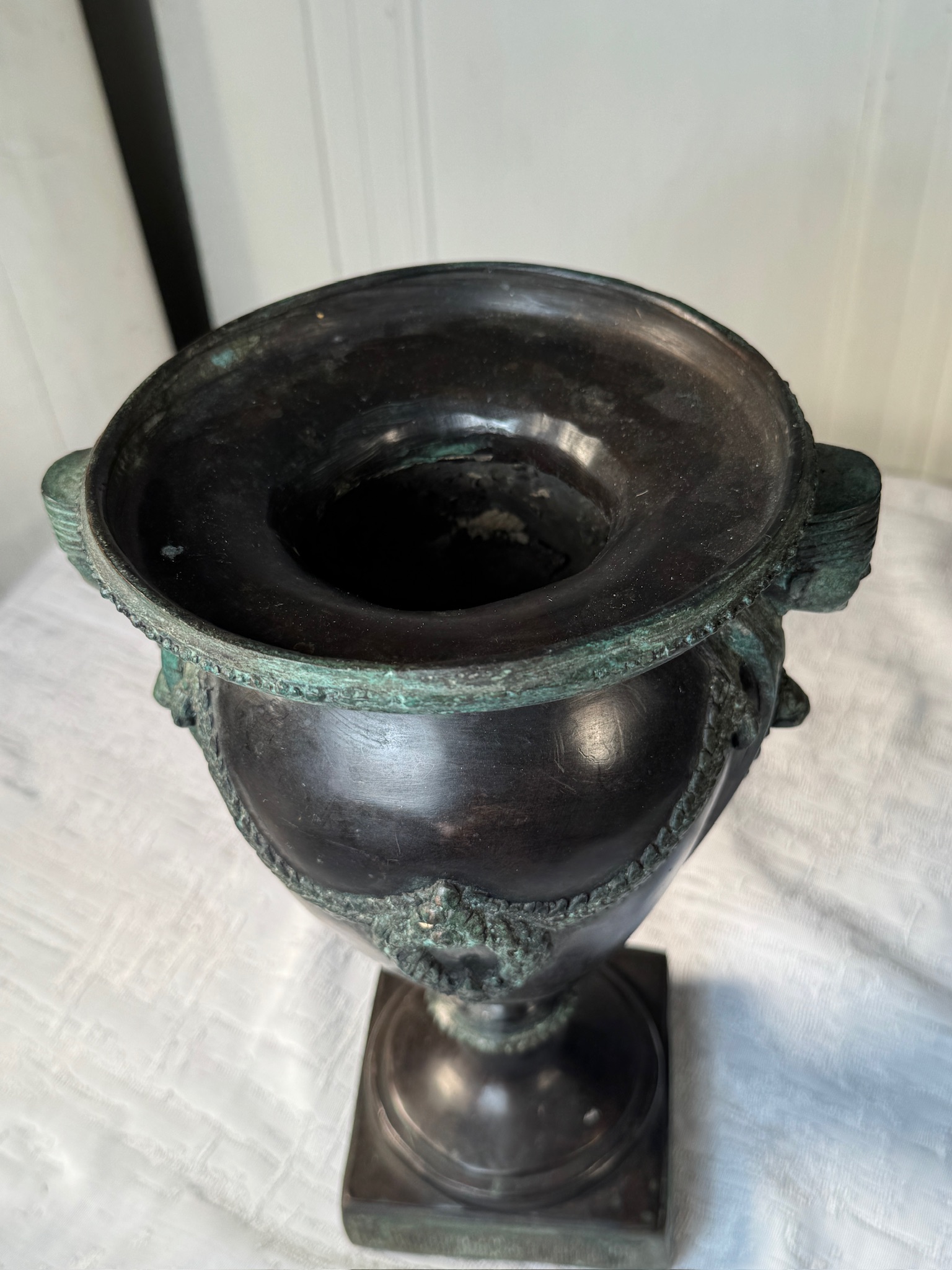
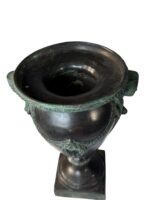
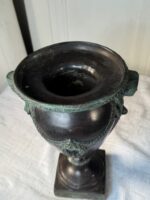
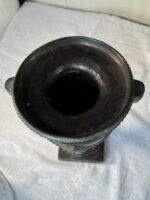
The rim is further enhanced with repeating decorative borders that frame the opening and provide additional architectural definition.
Together, these elements create a layered design that rewards close inspection while maintaining a strong overall silhouette.
The naturally developed verdigris highlights the relief work beautifully, emphasizing details that might otherwise disappear into the darker bronze surface.
PATINA AND CHARACTER
Collectors of antique bronze objects understand that patina is often one of the most desirable aspects of a piece.
This urn displays a wonderful aged surface with deep bronze tones complemented by areas of green verdigris oxidation. Rather than detracting from the piece, this natural aging enhances its authenticity and historical character.
The contrasting tones bring attention to the sculptural details and contribute to the visual depth that antique bronze objects develop over decades of display and handling.
The finish possesses the warmth and richness that only time can create.
As with many decorative bronzes of this age, minor variations in color, texture, and wear serve as reminders of the object’s long history and continued survival.
A STATEMENT PIECE FOR INTERIORS
Large decorative urns have long been prized as focal points within sophisticated interiors.
This example works beautifully in a variety of settings, including:
- French Empire interiors
- Neoclassical rooms
- Traditional libraries
- Historic homes
- Grand foyer displays
- Architectural collections
- Eclectic designer spaces
- Museum-inspired interiors
Its sculptural quality allows it to function as both decorative art and architectural ornament.
Placed atop a console table, pedestal, sideboard, or mantel, the urn immediately commands attention and creates a sense of permanence and refinement.
Because of its classical roots and timeless form, it integrates easily with both traditional and contemporary décor.
COLLECTOR APPEAL
This piece offers significant appeal for collectors and decorators alike.
Highlights include:
- Late nineteenth century Egyptian Revival design
- French Empire Revival influence
- Architectural urn form
- Egyptian mask mounts
- Draped garland decoration
- Rich aged bronze finish
- Attractive verdigris patina
- Strong decorative presence
- Excellent display potential
Collectors of Egyptian Revival, Grand Tour objects, architectural antiques, Empire furnishings, and antique metalwork will appreciate the craftsmanship and visual impact of this impressive example.
CONDITION
Good antique condition consistent with age and use.
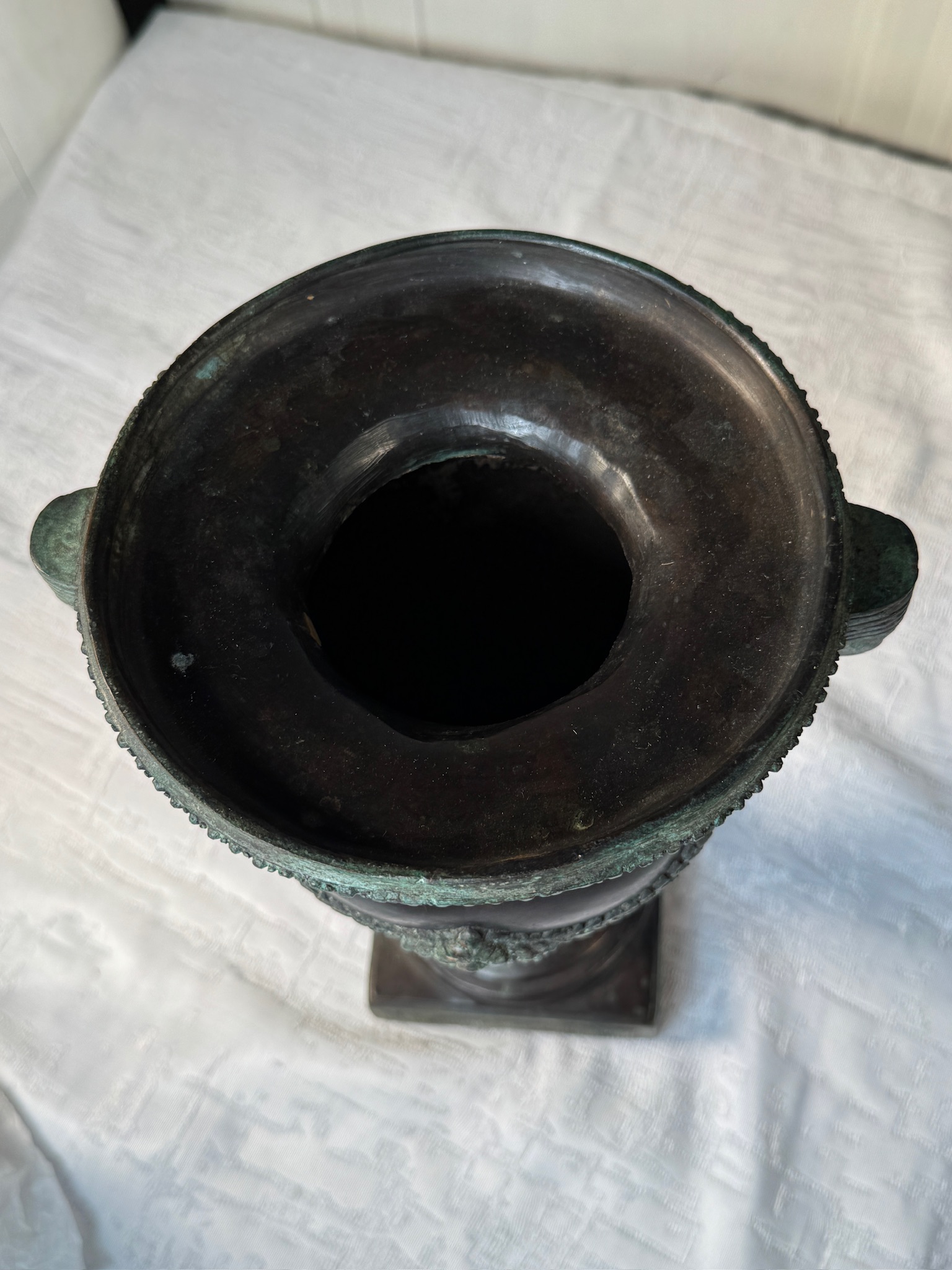
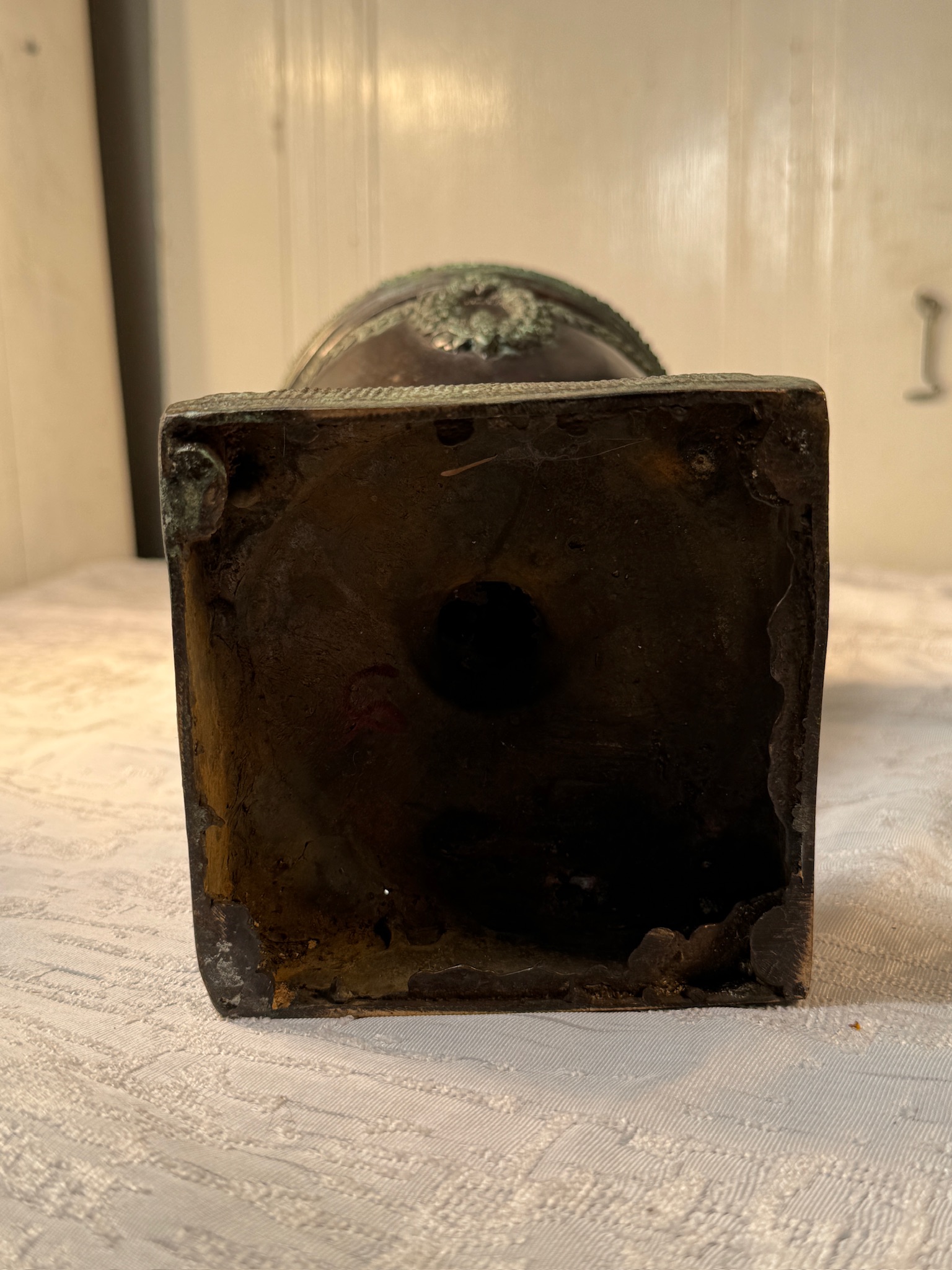
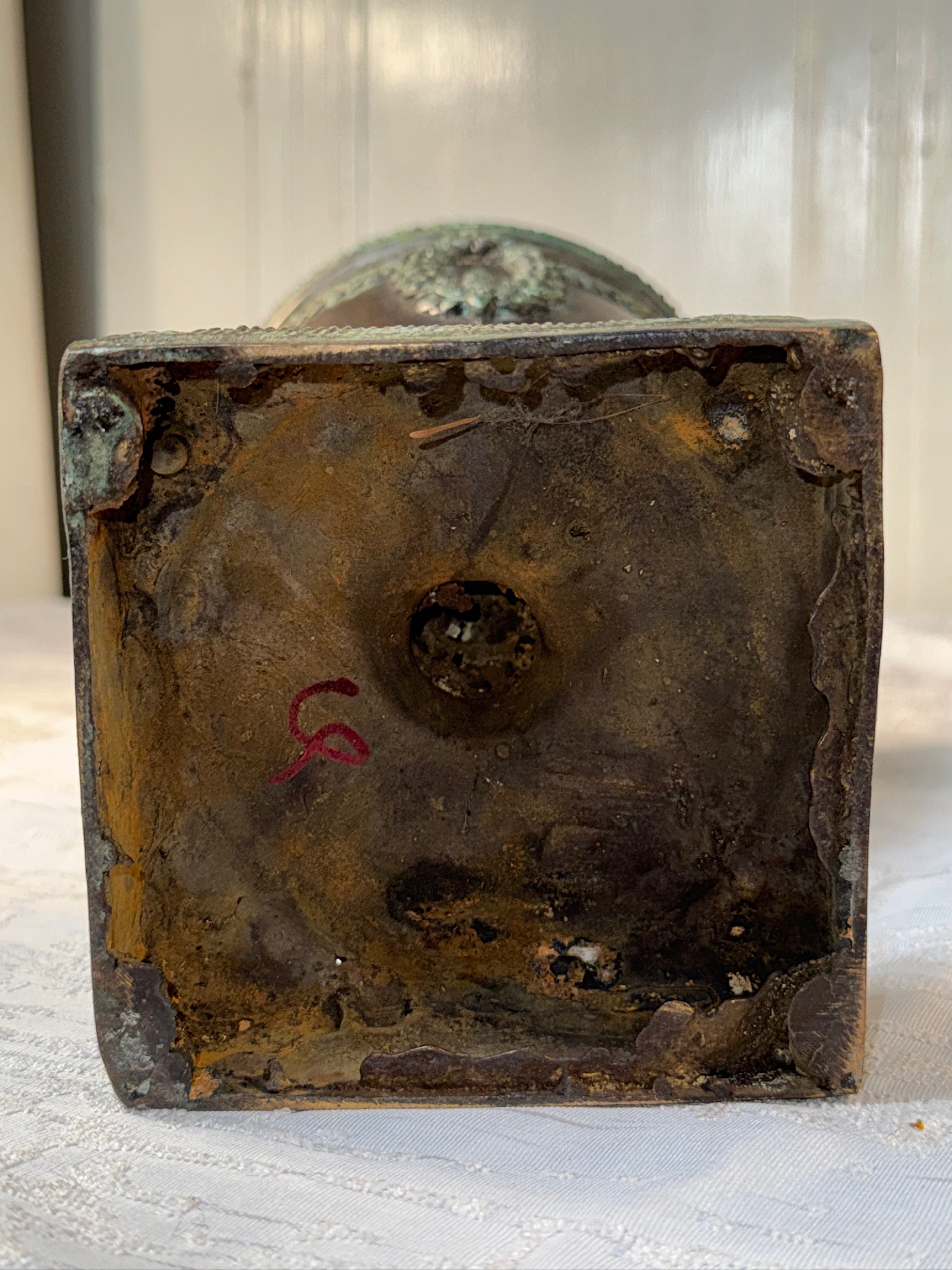
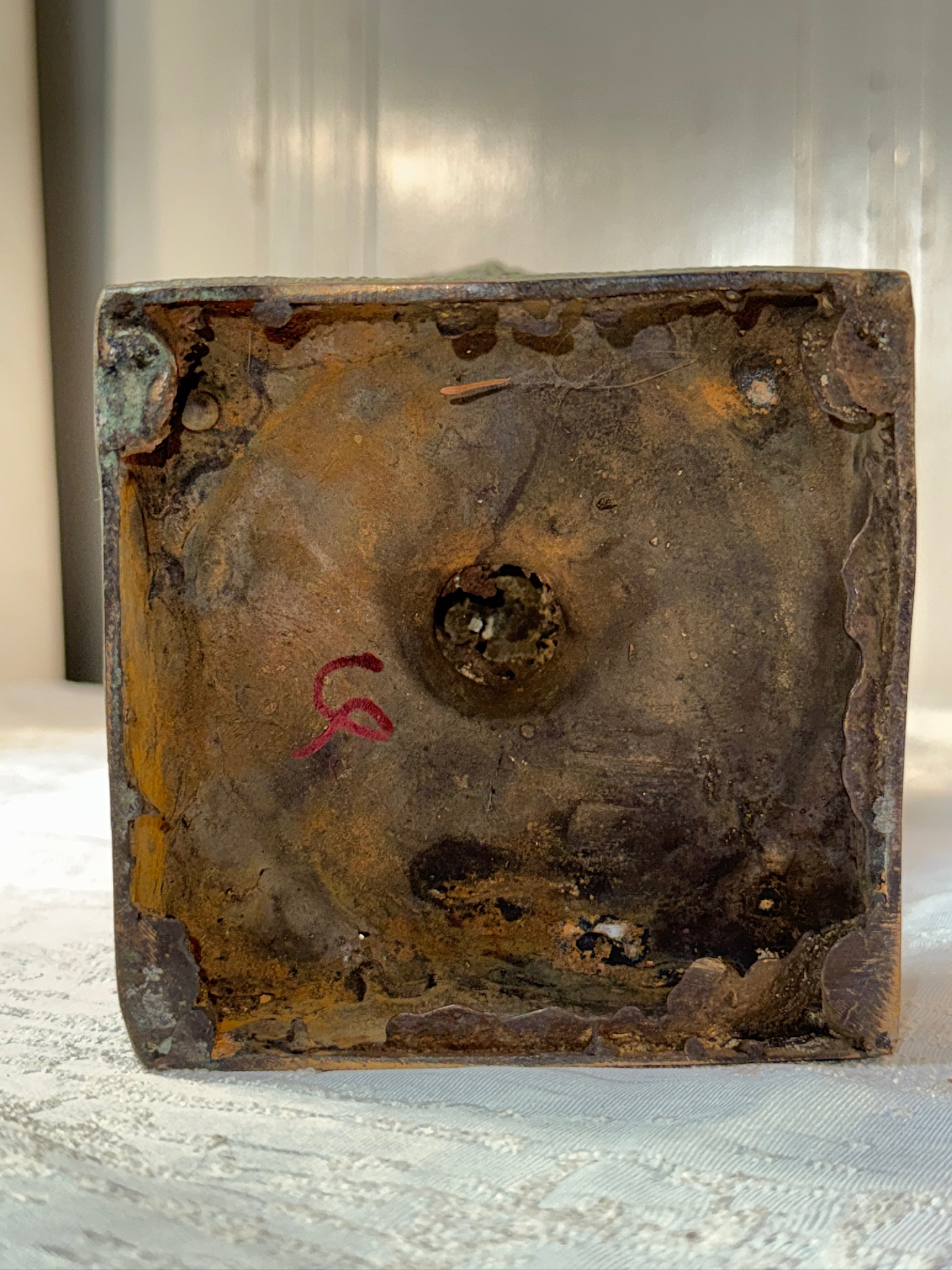
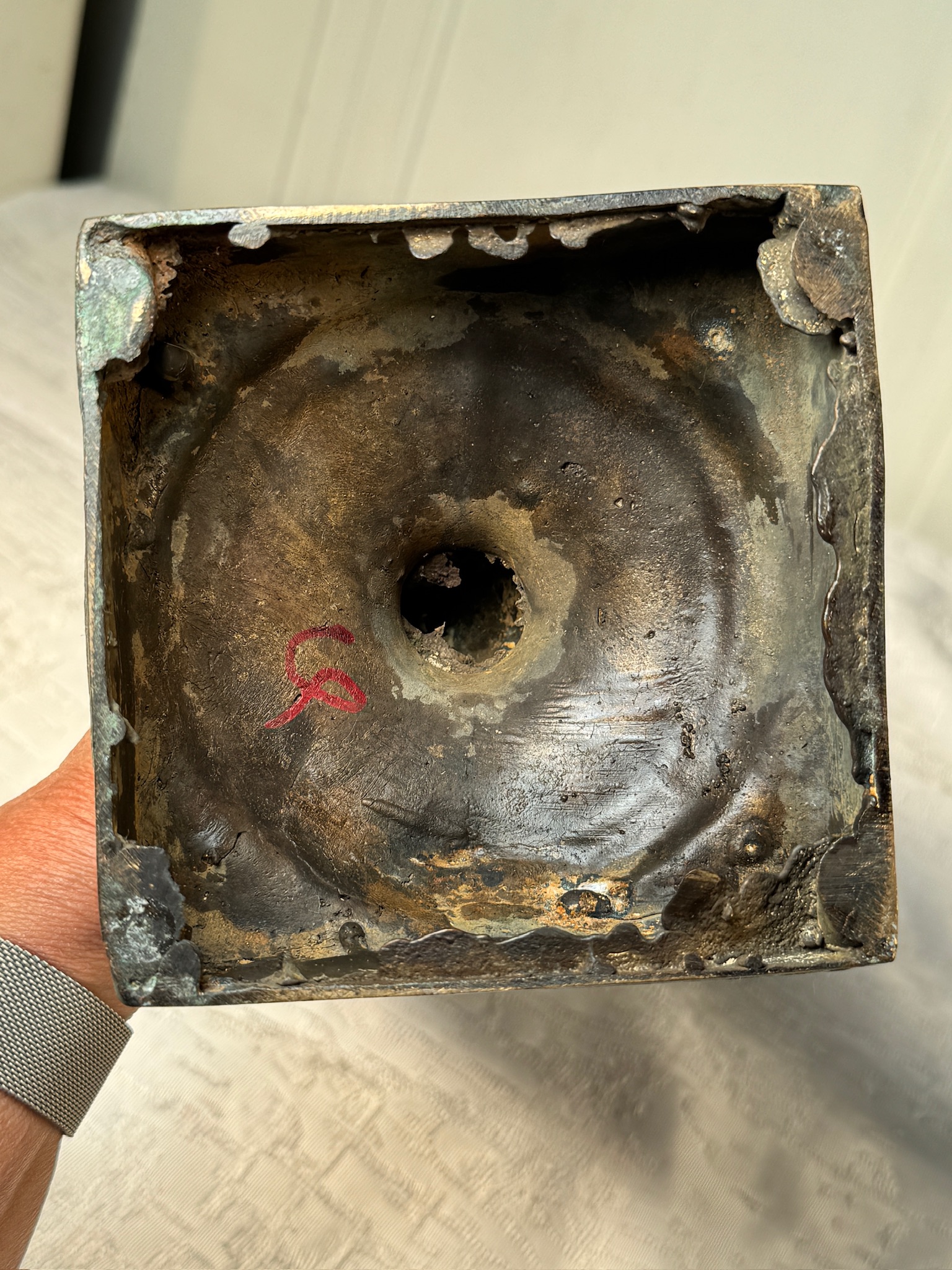
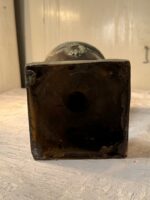
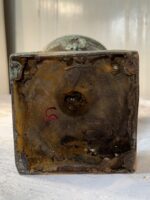
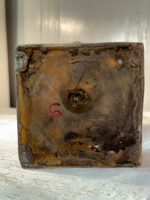
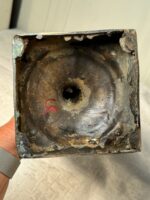
The urn displays expected wear, surface oxidation, verdigris development, and age-related imperfections that contribute to its authentic antique character. The interior and underside show evidence of age and oxidation typical of nineteenth-century decorative metalwork.
Please review all photographs carefully, as they form an important part of the description and condition assessment.
MEASUREMENTS
Approximate dimensions:
- Height: 12 inches
- Width including decorative mounts: 8 inches
- Base: approximately 5 inches square
Measurements are approximate and taken from the widest and tallest points visible in the photographs.
Combining the grandeur of French Empire design with the mystery and romance of ancient Egypt, this late nineteenth-century Egyptian Revival bronze urn embodies the fascination with antiquity that shaped some of the most beautiful decorative arts of the era.
Its sculptural form, richly aged patina, and striking Egyptian mask mounts make it a memorable addition to any collection or interior. Whether displayed as an architectural accent, decorative centerpiece, or collector’s treasure, this impressive urn remains a powerful example of nineteenth-century craftsmanship and design.
Thank you for visiting Art and Beautiful Things. Please feel free to reach out with any questions or requests for additional photographs.
Our Condition Rating
Excellent – We almost never rate anything as excellent because to us, excellent means brand new and still in packaging. If we’ve only removed it from the box for photography, it still receives a "very good" rating.
Very Good – This is where most of our items fall. To us, this means as close to excellent as possible: museum-quality, with no imperfections unless noted (and even then, only very minor ones).
Good – Acceptable. Worth owning, especially if it’s difficult to find in better condition.
Fair – Rough condition. Only rated fair if the item has substantial historical value or is salvage-worthy.
 (248) 617-7717
 mona@artandbeautifulthings.com