Learn more from our

Resources

Jan-Erik Ritzman Studio Glass Vase | Swedish Scandinavian Art Glass

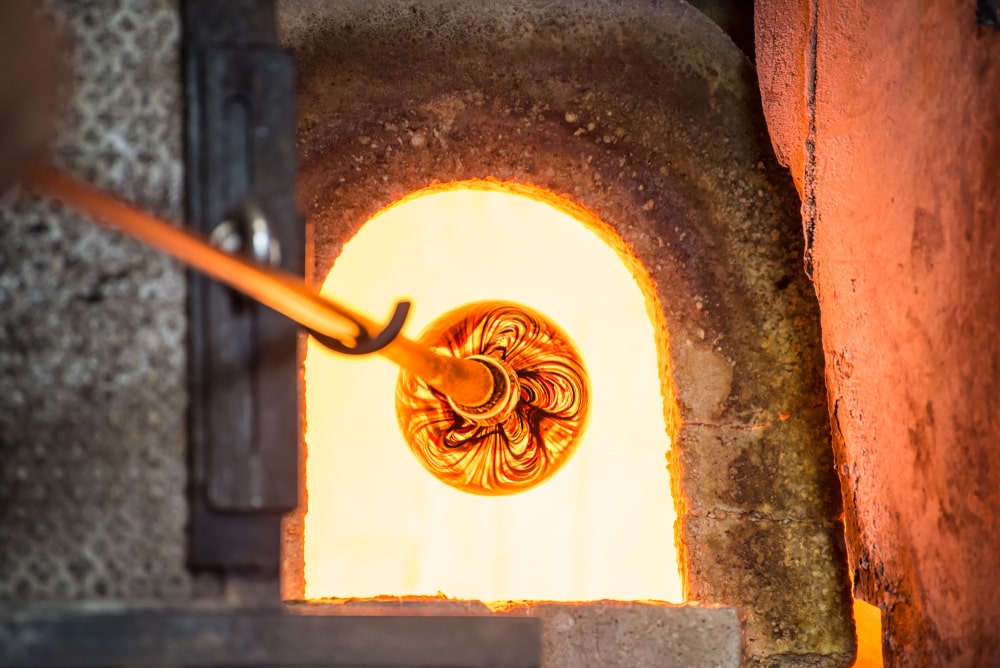
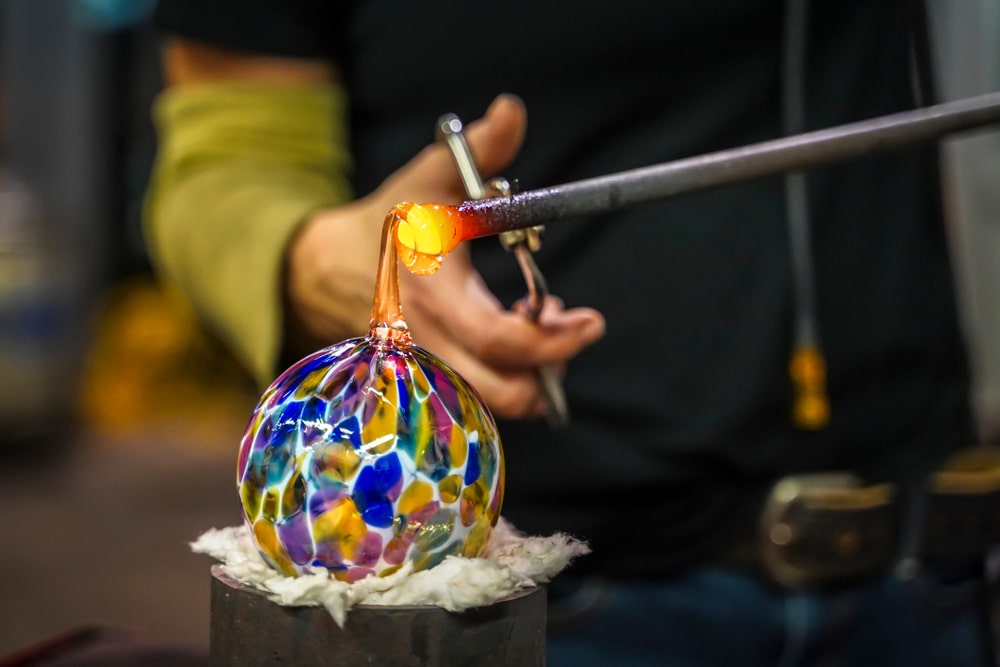
The Legacy of a Glassblower Who Helped Shape Contemporary Scandinavian Art Glass There are certain artists whose names quietly exist behind the legends. Not because they lacked talent, vision, or influence—but because much of their brilliance was spent helping bring other artists’ visions to life before finally stepping into their own spotlight. Jan Erik Ritzman is one of those artists. For collectors of Scandinavian studio glass, Ritzman represents something increasingly rare in today’s world: the true master glassblower. A craftsman whose life has been inseparable from molten glass, whose technical mastery was forged within the legendary Swedish glass tradition, and whose later independent work carries the confidence, movement, and authority of someone who spent decades mastering the medium itself. Today, as Ritzman retires after more than sixty years in glassmaking, collectors and galleries are beginning to reexamine his work with renewed appreciation. His pieces are not factory reproductions or mass-market decorative objects. They are unique sculptural works created by one of the great surviving links to Sweden’s golden age of artistic glassmaking. The Swedish Glass Tradition To understand Ritzman’s importance, one must first understand the extraordinary legacy of Swedish art glass. Sweden’s “Kingdom of Crystal,” or Glasriket, became one of the most influential centers of artistic glass production in the world during the twentieth century. Legendary companies such as Kosta Boda and Orrefors transformed Scandinavian glass from functional craft into internationally celebrated fine art. The artists associated with these studios—names such as: Bertil Vallien Göran Wärff Ulrica Hydman Vallien Erik Höglund Monica Backström Ann Wolff Vicke Lindstrand helped define Scandinavian modernism for generations of collectors and museums. But behind many of these celebrated designers stood elite glassblowers capable of physically executing the extraordinary technical demands of studio glass. Jan-Erik Ritzman was one of them. A Glass Master at Twenty Jan-Erik Ritzman began working at Kosta in 1957 and became a master craftsman at just twenty years old—the youngest person ever to hold that position at the factory. That accomplishment alone places him in extraordinarily rare company. Glassblowing at this level is not simply decorative craft. It requires: precision physical endurance chemistry timing heat control teamwork and artistic instinct To become a master glassblower at such a young age within Sweden’s most respected glassmaking tradition speaks to exceptional natural ability and technical discipline. During his years at Kosta, Ritzman worked alongside many of the artists and designers who would become icons

Read More

Christopher Dresser and the Birth of Modern Design: How the Aesthetic Movement, Arts & Crafts, Art Nouveau, and Art Deco All Connect

When collectors first encounter the work of Christopher Dresser, there is often a moment of confusion. Was Dresser part of the Arts & Crafts Movement? Was he Aesthetic Movement? Was he Art Nouveau? Why do some of his designs almost look Art Deco decades before Art Deco even existed? The answer is both simple and fascinating: Christopher Dresser was one of the rare designers so visionary that his work transcended categories. He existed at the crossroads of several major artistic movements and, in many ways, helped lay the foundation for modern design itself. Today, Dresser is increasingly recognized not merely as a Victorian designer, but as one of the earliest true modernists. His work bridged the ornate world of nineteenth-century decorative arts and the sleek functionalism that would define twentieth-century design. Whether through his revolutionary metalwork, ceramics, glass, or household objects, Dresser created forms that still feel remarkably contemporary more than a century later. For collectors of antique decorative arts, understanding Christopher Dresser means understanding the evolution of design itself. The Victorian World Before Christopher Dresser To appreciate how radical Dresser truly was, it is important to understand the artistic environment into which he emerged. Mid-Victorian design was often highly decorative, elaborate, and historically inspired. Furniture, ceramics, silver, and household objects were frequently covered in excessive ornamentation derived from Gothic, Rococo, Renaissance, or Classical motifs. The Victorian era celebrated embellishment and grandeur, sometimes to overwhelming effect. Many critics and artists began questioning whether this level of ornament had become excessive and disconnected from function. Designers started searching for new approaches that balanced beauty with practicality. This growing dissatisfaction would eventually lead to several interconnected artistic movements: The Aesthetic Movement The Arts & Crafts Movement Art Nouveau Modernism Christopher Dresser stood at the center of this transformation. Who Was Christopher Dresser? Born in Glasgow in 1834, Christopher Dresser trained initially in botanical science and design. Unlike many decorative artists of his time, he approached objects analytically, studying geometry, structure, proportion, and nature with almost scientific precision. Dresser became one of the first independent industrial designers in history. Rather than limiting himself to one artistic discipline, he designed: ceramics silver furniture textiles wallpaper glass metalwork household objects His influence extended across virtually every aspect of Victorian decorative arts. What made Dresser revolutionary was his belief that ordinary objects could—and should—be beautifully designed. He viewed functional household items not as secondary crafts, but

Read More

The History of French Pottery & Ceramics: From Medieval Earthenware to Modern Masterpieces

France has long been recognized as one of the great artistic centers of Europe, celebrated for its painting, architecture, fashion, and decorative arts. Yet among collectors, historians, and designers, French pottery and ceramics occupy a particularly special place. The story of French ceramics is one of innovation, regional identity, royal patronage, artistic rebellion, and craftsmanship passed through generations. From rustic provincial pottery to the luxurious porcelain of royal courts, French ceramics reflect not only the evolution of artistic taste but also the cultural history of France itself. Today, collectors continue to seek French pottery for its remarkable diversity. Some are drawn to the earthy simplicity of country faience, while others admire the sophisticated artistry of Art Nouveau and Art Deco ceramic masters. Whether humble or aristocratic, French ceramics possess a distinct sense of elegance, refinement, and artistry that continues to inspire collectors around the world. Early Origins of French Pottery The roots of French pottery stretch back thousands of years. Archaeological discoveries reveal that pottery production existed in what is now France during prehistoric and Roman times. Early wares were primarily functional—storage vessels, cooking pots, and containers made from local clay deposits. During the Roman occupation of Gaul, pottery production became more sophisticated. Roman kilns introduced improved firing techniques, and terra sigillata pottery—fine red-gloss tableware—was produced extensively in regions such as Lezoux and La Graufesenque. These centers became some of the most important ceramic production sites in the Roman Empire. Following the fall of Rome, pottery production became more regional and utilitarian during the medieval period. Local potters created sturdy earthenware vessels for everyday life. Decoration was minimal, and functionality remained the priority. Yet even these early wares reveal the beginnings of the regional styles that would later define French ceramics. Medieval Pottery and Regional Traditions By the Middle Ages, pottery workshops were flourishing throughout France. Different regions developed unique techniques based on local clays, minerals, and cultural influences. In southern France, Mediterranean influences encouraged the use of tin-glazed earthenware inspired by Moorish and Italian ceramics. In rural regions, rustic stoneware and earthenware dominated daily life. Potters crafted jugs, bowls, storage crocks, and cooking vessels that were durable enough for farmhouses and village kitchens. French pottery traditions became deeply tied to local identity. Villages often had their own kiln traditions, decorative motifs, and glazing styles. This regional diversity remains one of the defining characteristics of French ceramics today. The Rise

Read More

The Art of Mid-Century Ceramics-Raymor, Bitossi, and the Sculptural Revolution of Italian Design

A New Language of Form: The Rise of Mid-Century Ceramics The mid-20th century marked a profound transformation in the world of ceramics. No longer confined to purely functional roles, ceramics became vehicles for artistic expression—bold, sculptural, and deeply reflective of a changing world. The Mid-Century Modern (MCM) movement embraced experimentation, and nowhere is this more evident than in the ceramics produced during this period. From the late 1940s through the 1960s, artists and designers began to challenge traditional forms, exploring asymmetry, texture, and innovative glazing techniques. Influenced by modern art movements, architecture, and a growing international exchange of ideas, ceramics evolved into objects that blurred the line between art and design. At the center of this evolution was Italy—a country whose rich artistic heritage met a forward-thinking design ethos. Italian ceramicists didn’t just follow trends; they defined them. Raymor: Bringing European Modernism to American Homes One cannot discuss mid-century ceramics without acknowledging the role of Raymor, the influential American importer that introduced groundbreaking European design to the United States. Founded in the mid-20th century, Raymor became a bridge between continents—curating and importing avant-garde ceramics, glass, and decorative objects from Italy and beyond. Their philosophy was simple yet revolutionary: everyday objects should be beautiful, modern, and artistically significant. Raymor’s collaborations with Italian designers transformed American interiors. Their pieces were not merely decorative accents—they were statements. Sculptural ashtrays, textured vases, and boldly glazed bowls became symbols of sophistication and modern living. For collectors today, Raymor pieces represent a moment when global design became accessible, when American homes began to reflect a broader, more artistic worldview. Bitossi Ceramics: Texture, Color, and Innovation Among the most celebrated names in mid-century Italian ceramics is Bitossi Ceramiche, a company that redefined what ceramic design could be. Founded in Montelupo Fiorentino, Bitossi had centuries of tradition behind it—but it was during the mid-century period that the company truly came into its own. Under the artistic direction of Aldo Londi, Bitossi embraced a bold, experimental approach that set it apart. Londi’s designs are instantly recognizable: Rich, saturated colors—particularly the iconic Rimini Blue Incised and stamped surface decoration Sculptural forms that feel both primitive and modern Bitossi ceramics often carry a tactile quality, inviting touch as much as visual admiration. Their surfaces are alive with pattern and texture, reflecting a hands-on, artisanal process that stands in contrast to mass production. For collectors, Bitossi represents the perfect balance of tradition

Read More

Italian Glass Ornament Making: The Complete History, Art, and Enduring Magic of Soffieria De Carlini

Introduction: When Glass Becomes Story, Memory, and Art In the world of decorative arts, few objects balance fragility and permanence as beautifully as hand-blown glass ornaments. They are delicate, yet enduring. Ephemeral in appearance, yet deeply tied to tradition and memory. And nowhere is this balance more evident than in the tradition of Italian glass ornament making. Among the many names associated with this tradition, one stands apart for its distinctive voice—Soffieria De Carlini, a workshop that has spent decades transforming molten glass into objects of imagination, personality, and artistic expression. To understand De Carlini is to understand more than a company. It is to understand a lineage of craftsmanship, a philosophy of design, and a uniquely Italian approach to creativity that embraces both elegance and whimsy. This is not simply a story about ornaments. It is a story about: The survival of craftsmanship after war The relationship between artist and material The transformation of function into art The emotional power of handmade objects And ultimately, it is a story about why these pieces still matter today—to collectors, to historians, and to anyone who recognizes beauty when they see it. The Ancient Roots of Italian Glassmaking 7 Long before De Carlini, long before Christmas ornaments became a collectible category, Italy had already established itself as one of the world’s most important centers of glassmaking. The origins of Italian glass art can be traced back to ancient Rome, where glass was used for vessels, decorative objects, and architectural elements. Over time, these techniques evolved, eventually reaching their most famous expression in Venice—specifically on the island of Murano. Murano glassmakers were known for: Their control of color and clarity Their ability to create intricate forms Their guarded techniques, often kept secret for generations This tradition laid the foundation for all Italian glassmaking that followed. While De Carlini is not a Murano company, it exists within this broader cultural lineage. The emphasis on hand-blown technique, artistic individuality, and material mastery all stem from these earlier traditions. In this sense, every De Carlini ornament carries not just its own story, but echoes of centuries of Italian craftsmanship. The Birth of Christmas Ornaments in Europe Before exploring De Carlini specifically, it is important to understand the evolution of Christmas ornaments themselves. Glass ornaments as we recognize them today began to emerge in Europe in the late 19th and early 20th centuries. Initially, Germany—particularly the town

Read More

Mid-Century Modern Design Movement | History, Aesthetics, and Glass Art

The Mid-Century Modern Movement: Design, Glass, and the Beauty of the Atomic Age Introduction The mid-century modern design movement is one of the most enduring and influential aesthetic revolutions of the twentieth century. Defined by its clean lines, organic forms, and forward-looking spirit, it reshaped how people thought about their homes, their objects, and their relationship to design itself. Emerging in the years following World War II, the movement reflected a world ready to move forward. Designers reimagined domestic life, moving away from ornate traditions toward something lighter, more functional, and unmistakably modern. A World Reimagined: The Origins of Mid-Century Design 7 To understand the mid-century modern movement, it is important to consider the cultural shift that followed World War II. Advances in technology and manufacturing allowed designers to create objects that were both accessible and beautifully made. Influences from Bauhaus and Scandinavian design emphasized simplicity, craftsmanship, and the belief that good design should be available to everyone. Homes became more open and connected to nature, with large windows and minimal ornamentation. This philosophy extended beyond architecture into furniture and decorative objects, where form and function were carefully balanced. The Atomic Age: Designing for the Future 6 One of the most defining influences of the mid-century modern movement was the atomic age. The 1950s and 1960s were marked by fascination with space exploration, science, and the future. Designers embraced bold motifs such as starbursts, boomerang shapes, and abstract geometry. These forms symbolized movement, energy, and optimism. This influence reached into every corner of design—from architecture and furniture to decorative objects and seasonal décor—bringing a sense of excitement and innovation into everyday life. Glass as Art: Innovation and Expression 7 Glass became one of the most expressive materials of the mid-century period. Artists experimented with color, transparency, and form, creating pieces that blurred the line between function and art. Techniques such as layering, controlled bubbles, and textured finishes allowed for greater creativity. Reflective surfaces enhanced the interaction between light and object, making glass particularly dynamic within a space. European glassmakers, alongside American and Scandinavian designers, contributed to a rich and diverse landscape of glass artistry that continues to influence collectors today. Color, Material, and the Language of Design 7 Color played a vital role in defining mid-century design. From earthy tones to bold, saturated hues, the palette reflected a growing sense of individuality and expression. Materials were carefully chosen for both

Read More

Plakie Toy Company and Tinkle Toy: The History of Mid-Century Spinner Christmas Ornaments

Plakie Toy Company and Tinkle Toy: A Mid-Century Story of Plastic and Motion The mid-20th century marked a turning point in both manufacturing and design. New materials, new technologies, and a sense of post-war optimism reshaped everyday objects—including the way we decorated for Christmas. Among the most memorable innovations of this era was the introduction of spinner Christmas ornaments: lightweight, animated decorations that brought movement and life to the holiday tree. At the center of this story is the Plakie Toy Company, a manufacturer based in Youngstown, Ohio, whose work reflects the broader shift toward plastic production in mid-century America. Often associated with these ornaments is the name “Tinkle Toy,” believed to have been a branded line or division connected to Plakie’s holiday offerings. Together, they represent a fascinating chapter in the evolution of vintage Christmas décor. From Industrial Beginnings to Plastic Innovation Plakie Toy Company began in the 1930s, during a time when American manufacturing was rapidly evolving. Like many companies of the era, Plakie did not start with toys as its primary focus. Early production included molded plastic components for practical use, such as automotive parts, before expanding into consumer goods. The name “Plakie” itself is often said to derive from “play key,” reflecting a shift toward toy production as plastics became more widely adopted. By the end of World War II, the company was well positioned to take advantage of a booming consumer market and new manufacturing technologies. Plastic offered something previous materials could not: It was lightweight It could be molded into intricate forms It was durable and cost-effective And most importantly, it allowed for innovation in design These qualities made it an ideal material for both toys and decorative objects. The Invention of Motion: Spinner Ornaments By the early 1950s, a new kind of Christmas ornament began to appear—one that did more than simply reflect light. Spinner ornaments introduced movement to the tree, creating a dynamic and interactive display. 6 These ornaments featured a simple yet ingenious mechanism: a lightweight internal spinner suspended within a plastic housing. When exposed to the heat rising from traditional incandescent Christmas lights, the spinner would begin to rotate, powered by the movement of warm air. This design is often linked to a mid-century invention known as the “Twinkler,” patented in the early 1950s. Plakie Toy Company is widely believed to have been among the manufacturers responsible for producing these

Read More

Dresden Ornaments: A Story of Paper, Press, and Precision

Long before the shimmer of glass ornaments became synonymous with Christmas trees, there existed a quieter, more intricate form of decoration—one born not from flame and molten glass, but from paper, pressure, and extraordinary craftsmanship. These are the ornaments we now refer to as Dresden ornaments, named for the German city that became synonymous with their production. To understand Dresden ornaments is to step into a world where industrial innovation met delicate artistry, and where even the most fragile materials could be transformed into objects of enduring beauty. The Origins of Dresden Ornamentation Dresden ornaments emerged in the mid-19th century, during a period of rapid industrial growth across Germany. While Lauscha became known for its glassblowing traditions, Dresden and the surrounding regions developed a reputation for something entirely different: embossed paper goods. These ornaments were not originally created as Christmas decorations. Instead, they evolved from the production of decorative trims, packaging embellishments, and theatrical elements. It was only later that these techniques were adapted into seasonal objects, giving rise to the intricate, metallic-finished ornaments we recognize today. Crafted from heavy paper or thin cardboard, Dresden ornaments were typically formed in two halves and then joined together, much like early molded plastic ornaments that would follow decades later. Their surfaces were often finished with metallic coatings—gold, silver, or copper—giving them the appearance of metal while retaining the lightness of paper. The Machines Behind the Magic At the heart of Dresden ornament production was a remarkable innovation: the embossing press. 7 These machines, often foot-powered or hand-cranked, used intricately carved metal dies to press designs into paper with extraordinary precision. Each die was a work of art in itself—carefully engraved to capture minute details, from feathers and fur to architectural lines and floral patterns. The process worked as follows: Sheets of paper were placed between two engraved metal plates (dies) Pressure was applied, forcing the paper into the recessed design The result was a raised, sculptural surface with remarkable depth Unlike simple printing, embossing created a tactile experience—ornaments that could be both seen and felt. What makes this process particularly fascinating is the level of repetition it allowed without sacrificing detail. Once a die was created, hundreds—sometimes thousands—of identical impressions could be produced, making these ornaments more accessible while still retaining their artistic integrity. Designs That Defined an Era Dresden ornaments were known for their extraordinary variety. Some of the most beloved

Read More

The History of Vintage German Glass Ornaments: From Cottage Industry to Collector Treasure

The Origins of German Glass Ornaments 7 The story of vintage German glass ornaments begins in the small town of Lauscha, nestled in the Thuringian Forest. As early as the late 16th century, Lauscha had established itself as a center for glassmaking, thanks to its access to raw materials and generations of skilled artisans. By the 19th century, glassblowers in Lauscha began crafting delicate ornaments for Christmas trees—initially inspired by natural forms such as fruits, nuts, and berries. These early ornaments were entirely hand-blown, shaped over open flames, and silvered internally to create their luminous glow. Among the earliest and most iconic of these were the Kugel ornaments, spherical glass forms often finished in rich metallic tones. Today, these pieces are among the most sought-after antique ornaments in the world. A Cottage Industry Turned Global Tradition 7 As the popularity of Christmas trees spread throughout Europe and into England during the Victorian era, demand for ornaments grew rapidly. German artisans responded by expanding production, yet the work remained rooted in small, family-run workshops. The international success of German ornaments is often linked to Queen Victoria and Prince Albert, whose Christmas tree at Windsor Castle was famously decorated with candles and ornaments. Illustrated publications spread this image widely, sparking a global fascination with decorated trees. By the late 1800s, German glass ornaments were being exported in large quantities to England and the United States, establishing them as a defining element of holiday tradition. Techniques of Craftsmanship: Hand-Blown Glass and Silvering 7 The artistry of antique German ornaments lies in their process. Each piece began as molten glass, carefully blown into shape using molds or free-form techniques. Even when molds were introduced, the process remained highly manual, resulting in subtle variations from piece to piece. After shaping, ornaments were often silvered on the inside, a technique that gave them their reflective brilliance. Many were then hand-painted, sometimes adorned with mica or crushed glass to add texture and sparkle. Collectors today look for telltale signs of this craftsmanship, including: Pontil marks or slight irregularities at the base Hand-painted details Variations in form and finish These features distinguish antique ornaments from later mass-produced versions. Pre-War Production and the “Germany” Marking 5 One of the most important details in dating vintage German ornaments is the marking found on their caps. Ornaments stamped simply “Germany” are generally associated with production prior to World War II, before

Read More

The Art of Living Boldly: A Comprehensive Guide to Hollywood Regency Decor

The world of interior design is often a pendulum swinging between the quiet restraint of minimalism and the vibrant storytelling of maximalism. Standing firmly in the camp of the spectacular is Hollywood Regency. This style isn’t just about furniture; it’s about a lifestyle—one rooted in the golden age of cinema, where every room was a stage and every homeowner was the leading star. Whether you are looking to incorporate a single statement piece, like a grand 41 inch Hollywood Regency gilded peacock wall mirror, or transform an entire suite, understanding the DNA of this aesthetic is the key to creating a home that feels both curated and cinematic. The Origins of Glamour: A Cinematic History Emerging in the 1930s during the height of Hollywood’s “Golden Age,” this style was pioneered by actors-turned-designers and architects who wanted to bring the high-contrast, high-drama sets of the silver screen into private residences. Designers like Dorothy Draper and William Haines redefined American luxury by rejecting the heavy, dark Victorian styles of the past in favor of something more playful, sophisticated, and overtly expensive. Hollywood Regency was designed to make people look good. The use of lacquered surfaces, strategic lighting, and abundant mirrors was intended to reflect the glow of cocktail parties and the shimmer of evening wear. It was a style born out of the desire to celebrate life, luxury, and the art of the “show.” The Core Elements: How to Master the Look To achieve an authentic Hollywood Regency feel, one must balance several distinct design pillars. It is a style that thrives on contrast—mixing the old with the new, the shiny with the matte, and the simple with the ornate. 1. High-Contrast Color Palettes While modern trends often lean toward “greige” and muted tones, Hollywood Regency embraces color with open arms. Classic combinations include crisp black and white paired with a single, vivid “pop” color like emerald green, canary yellow, or fuchsia. The goal is to create a backdrop that feels crisp and deliberate, allowing the furniture to stand out as sculptural elements. 2. Reflective Surfaces and Metallic Accents Nothing says glamour quite like a reflective surface. Mirrored furniture, chrome accents, and gilded finishes are non-negotiable. Gold, in particular, plays a massive role in warming up a space and adding a sense of royalty. An ornate gilded peacock mirror is a perfect example of this; the gold finish catches the light, while

Read More

The History of the Epergne: From Elegant Centerpiece to Collectible Art

The epergne is one of the most elegant and iconic table decorations in the history of decorative arts. Known for its elaborate design, tiered structure, and ability to hold flowers, fruits, or sweets, the epergne became a symbol of refinement and sophistication in European homes. From its early origins in the 18th century to its role as a collectible and decorative art object today, the epergne reflects the evolving tastes, craftsmanship, and artistry of multiple eras. Origins of the Epergne The epergne is believed to have originated in France during the mid-18th century, with the word “epergne” itself derived from the French verb épargner, meaning “to save” or “to spare.” Originally, these objects were functional, designed to keep fruits, nuts, and sweets organized on the dining table while freeing space for other serving dishes. Their intricate and ornate design also made them a status symbol for wealthy families, showcasing both the host’s taste and the skill of the craftsman who created the piece. Early epergnes were primarily made from silver, reflecting the preferences of aristocratic households. These silver epergnes featured elaborate branches or arms extending from a central stem, often supporting multiple baskets, bowls, or candle holders. The designs ranged from delicate floral motifs to more geometric and symmetrical forms, demonstrating the artistry and technical skill of the silversmiths. Evolution Through the 18th and 19th Centuries By the late 18th century, the epergne had become a fashionable centerpiece in English and European dining rooms. Silver remained a popular material, but gilding, porcelain, and glass also began to appear in designs. The rise of glassmaking during the 19th century, particularly in regions like Bohemia, France, and England, enabled the creation of highly decorative glass epergnes. These glass versions often featured colored glass, ruffled rims, and elaborate etching, combining functionality with artistic flair. During the Victorian era (1837–1901), the epergne reached the height of its popularity. Victorian epergnes were often large, elaborate, and highly decorative, featuring multiple tiers of glass or porcelain trumpets supported by ornate metal frameworks. Cranberry glass, a distinctive pinkish-red glass achieved by adding gold salts during production, became particularly popular for epergnes. These colorful glass pieces added a dramatic visual element to the dining table, making them both practical and ornamental. The Victorian epergne was more than just a serving piece—it was a conversation starter and a reflection of wealth, sophistication, and aesthetic sensibility. They were often used

Read More

Émile Gallé and the Nancy School: Masters of Art Nouveau Glass

Émile Gallé is one of the most celebrated figures in the history of decorative arts, widely regarded as a pioneer of the Art Nouveau movement. His groundbreaking work in glass, furniture, and ceramics during the late 19th and early 20th centuries set a standard for innovation, craftsmanship, and artistic expression. Central to Gallé’s influence was the Nancy School, an artistic movement based in the French city of Nancy, which became synonymous with high-quality, nature-inspired decorative arts. Together, Gallé and the Nancy School revolutionized the design world, blending artistic creativity with technical mastery to produce timeless works of beauty. The Life and Legacy of Émile Gallé Émile Gallé was born on May 4, 1846, in Nancy, France, into a family of skilled artisans. His father, a successful cabinetmaker, instilled in him a respect for craftsmanship and design. From a young age, Gallé displayed exceptional talent in drawing and painting, eventually pursuing studies in decorative arts and natural sciences. This combination of artistic skill and scientific curiosity became a hallmark of his work, as he often drew inspiration from botany, geology, and the natural world. Gallé’s early career focused on glassmaking, where he quickly developed innovative techniques that set his pieces apart from other glassmakers of the era. He became known for his use of cameo glass—a method that involved layering colored glass and carving intricate designs into the surface. These works often depicted flora, fauna, and other elements of nature, rendered with remarkable realism and artistic sensitivity. Gallé’s ability to combine scientific observation with creative interpretation distinguished him as a visionary artist. The Birth of the Nancy School The Nancy School, or École de Nancy, emerged in the 1890s as a collective of artists, designers, and craftsmen dedicated to advancing the Art Nouveau style. Located in the city of Nancy in northeastern France, the movement was characterized by its emphasis on natural forms, flowing lines, and the seamless integration of art and craftsmanship. Gallé was a founding member and a driving force behind the school’s philosophy, promoting an approach that combined artistic innovation with high technical skill. The Nancy School aimed to break away from the rigid academic standards of traditional art, emphasizing creativity, individuality, and the beauty of nature. Artists associated with the movement drew inspiration from plants, insects, and the organic forms found in their environment, translating these motifs into glass, furniture, metalwork, and textiles. By integrating fine art

Read More

Kosta Boda: The Timeless Elegance of Swedish Glass Art

Kosta Boda is a name synonymous with exquisite Swedish glass artistry, representing centuries of craftsmanship, innovation, and design excellence. Renowned worldwide for its hand-blown art glass, sculptural vases, and decorative objects, Kosta Boda continues to captivate collectors, interior designers, and art enthusiasts alike. From functional pieces to bold statement art, Kosta Boda combines traditional techniques with modern creativity to produce timeless works of beauty. The Origins of Kosta Boda Kosta Boda’s story begins in 1742 in the small village of Kosta, in the province of Småland, Sweden. Founded by two entrepreneurs, Anders Koskull and Georg Bogislaus Staël von Holstein, the company’s name is a combination of their surnames: “Ko” from Koskull and “Sta” from Staël, forming Kosta. Originally, the glassworks produced utilitarian glassware for everyday use, such as bottles, window glass, and household items. Over the years, Kosta evolved from a small workshop into a globally recognized glass manufacturer. The company’s focus shifted from purely functional glass to artistic creations, particularly during the 20th century, when collaboration with talented designers and artists transformed Kosta Boda into a leader in decorative and collectible art glass. The Art of Hand-Blown Glass One of the defining features of Kosta Boda glass is its handcrafted quality. Each piece is carefully mouth-blown by skilled artisans, ensuring that no two items are exactly alike. This dedication to craftsmanship allows for unique variations in color, shape, and texture, making each vase, bowl, or sculpture a one-of-a-kind work of art. The company uses a variety of techniques, including layering, engraving, and acid-etching, to achieve striking visual effects. For example, the use of vibrant color gradients, metallic inclusions, and sculptural forms showcases the technical skill of Kosta Boda’s glassblowers while creating visually captivating pieces. Signature Collections and Iconic Designs Kosta Boda is celebrated for its wide range of artistic collections, each reflecting the creativity and vision of its collaborating designers. Some of the most iconic pieces include: Målerås & Boda Glass: Featuring bold abstract shapes and color patterns, these pieces highlight the artistic innovation of Kosta Boda’s early 20th-century designers. Göran Wärff’s Mirage Collection: Known for its elegant, sculptural vases with subtle color transitions and frosted glass accents, this collection exemplifies the seamless combination of form and function. Anna Ehrner Designs: Celebrated for her whimsical, playful, and colorful glass sculptures, Ehrner’s work adds a contemporary flair to the Kosta Boda portfolio. These collections, among many others, demonstrate Kosta Boda’s

Read More

Romero Britto: The Vibrant World of a Contemporary Pop Art Icon

Romero Britto is a name that instantly evokes color, joy, and exuberance. Recognized worldwide as a master of contemporary pop art, Britto’s work blends vibrant colors, bold patterns, and playful forms to create art that is both accessible and uplifting. His distinctive style has made him one of the most influential modern artists, with his creations adorning galleries, public spaces, and private collections across the globe. Early Life and Artistic Beginnings Born on October 6, 1963, in Recife, Brazil, Romero Britto grew up in humble circumstances. From a young age, he demonstrated an extraordinary talent for art, using whatever materials were available to him—often drawing on paper scraps or any surface he could find. Britto’s early environment, rich in Brazilian culture and natural beauty, heavily influenced his use of vibrant colors and expressive forms. The energy and optimism of his surroundings would later become hallmarks of his artistic voice. Britto’s passion for art led him to formal studies at the Federal University of Pernambuco in Brazil. By the time he moved to Europe in the late 1980s, Britto had already begun experimenting with styles that combined elements of cubism, pop art, and graffiti. This blend of influences became the foundation of his signature approach, merging traditional art techniques with modern, playful aesthetics. The Emergence of a Pop Art Sensation Romero Britto’s artistic style is often described as a fusion of cubism and pop art. His works are characterized by bright, contrasting colors, bold geometric patterns, and a sense of whimsy that appeals to audiences of all ages. Unlike other contemporary artists who may focus on abstract or conceptual themes, Britto’s art celebrates life, happiness, and human connection. One of Britto’s notable breakthroughs came in the late 1980s when he moved to Miami, Florida. There, he began exhibiting in galleries and quickly attracted the attention of collectors and art enthusiasts. His use of cheerful motifs—such as hearts, flowers, and dancing figures—combined with his mastery of color, allowed him to create pieces that were instantly recognizable and emotionally engaging. By the 1990s, Britto had established himself as a prominent figure in the pop art movement, joining the ranks of artists like Andy Warhol and Keith Haring. Signature Themes and Artistic Philosophy Romero Britto’s work revolves around themes of optimism, love, and celebration. Hearts, musical instruments, animals, and human figures often appear in his compositions, each infused with vibrant hues and dynamic patterns.

Read More

Vincenzo Nason: Master of Mid‑Century Murano Glass

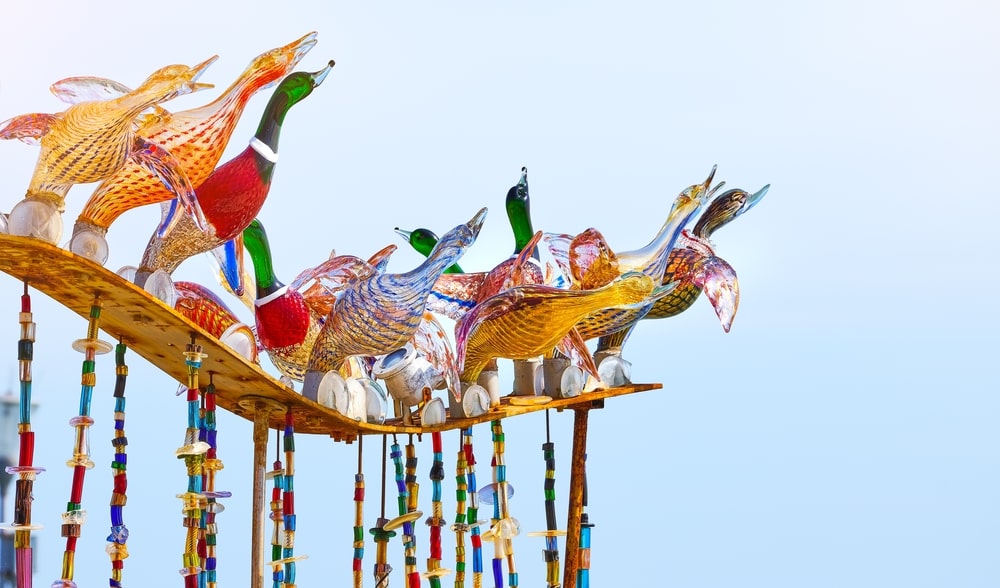
The world of Murano glass is defined by centuries‑old traditions, daring innovation, and masters who continually push the boundaries of what can be achieved in molten glass. Among these influential figures, Vincenzo Nason occupies a special place. Though perhaps less familiar to the general public than some of his contemporaries, Nason’s contribution to 20th‑century Italian glassmaking is undeniable—bridging the golden era of Murano craftsmanship with modern design sensibilities. Origins and Establishment of V. Nason & Cie Vincenzo Nason’s artistic legacy centers on the glassworks he founded on the Venetian island of Murano—a district synonymous with world‑leading artisanal glass production. After training and gaining experience at the prestigious Venini glassworks, Nason established Vincenzo Nason & Cie (often marked simply as “V. Nason & C.” on labels) in 1967, positioning his studio among the elite producers of Murano art glass. Over the next three decades, the company became known for both decorative and sculptural glass objects that married traditional Murano techniques with mid‑century modern aesthetics. While the studio eventually ceased operations around 2001, its influence on Murano glass collecting and design continues to be felt today. Signature Styles and Techniques One of the signatures of Nason’s output was the creative use of Avventurina glass—a glass enriched with shimmering copper or metal inclusions that give the surface a luminous, almost celestial sparkle. This range became one of the hallmarks of V. Nason & C’s production, evidenced by vintage vases, bowls, and ashtrays that feature black glass rich with copper‑flecked aventurine. In addition to Avventurina, Nason’s studio produced: Sommerso glass sculptures and vases, where layered colors are encased within crystal for multidimensional depth. Animal and bird sculptures, finely mouth‑blown figurines capturing form and motion in clear, colored, or fumé glass. Opaline glass objects, sometimes labeled “Veritable Opaline de Murano” or “Veritable Opaline de Venise,” often featuring soft, opalescent hues and tableware‑style shapes. Collectors frequently encounter whimsical creatures such as seals with balls, dolphins, elephants, cats, and fish crafted under the V. Nason & C label—each offering a testament to the studio’s versatility and mastery of technical form. Varied Forms: From Figurines to Faceted Sculptures While many glassmakers focus on one category of form, Nason’s catalog was remarkably broad. His company created everything from small paperweights and table accessories to larger sculptural statements. Many pieces are signed or labeled, making them attractive to collectors seeking authenticated Murano originals. Some particularly notable categories include: Faceted Sommerso

Read More

The History and Elegance of Baccarat Epergnes: A Collector’s Guide to French Crystal Luxury

The Timeless Beauty of the Baccarat Epergne: A Collector’s Guide Among the world’s finest table centerpieces, few objects capture the grandeur of European luxury like a Baccarat epergne. These breathtaking crystal creations—often featuring cascading arms, cut-glass bowls, and intricate decorative elements—were once the crown jewels of aristocratic dining rooms. Today, they remain some of the most sought-after pieces in antique crystal collecting. But what exactly is an epergne? Why did Baccarat become the premier producer of these ornate showpieces? And what should collectors look for when evaluating one today? Let’s explore the history, artistry, and enduring appeal of the Baccarat epergne. What Is an Epergne? The Centerpiece of European Elegance An epergne is a multi-tiered centerpiece traditionally placed in the middle of a formal dining table.Historically, they were used to hold: fruit sweetmeats flowers candles decorative ornaments Epergnes often feature a central bowl surrounded by radiating arms, each holding smaller dishes or vases. They were a statement of refinement and wealth—a visual celebration of abundance. While many European glasshouses produced epergnes, Baccarat elevated them to an art form. The Baccarat Legacy: Crystal Mastery Since 1764 Founded in 1764 in the French village of Baccarat, the company quickly became synonymous with luxury crystal. From royal commissions to world expositions, Baccarat built its reputation on precision cutting, clarity, and innovative design. By the mid-19th century, Baccarat began crafting elaborate crystal epergnes that combined artistry with technical brilliance. These pieces often featured: sharply faceted crystal hand-cut decorative patterns sculptural arms and branches removable bowls and flutes highly polished surfaces that catch and reflect light Their weight, clarity, and brilliance set them apart from other crystal makers. Why Baccarat Epergnes Became Icons of Luxury Throughout the 19th and early 20th centuries, a Baccarat epergne was the centerpiece of fine dining rooms across Europe and America. Several reasons contributed to their enduring prestige: 1. Unmatched Craftsmanship Every Baccarat epergne required dozens of hours of skilled cutting, assembling, and finishing.The clarity and symmetry of the crystal are unmistakable. 2. Statement-Making Design These pieces were not functional objects alone—they were showpieces.They transformed dining tables, reflecting candlelight and elevating the entire room’s atmosphere. 3. Rarity and Limited Production Because of their complexity, epergnes were produced in smaller quantities than bowls, vases, or stemware.Surviving examples are prized today. 4. Historical Significance Many Baccarat epergnes were exhibited at world fairs, displayed in palaces, or gifted to dignitaries.Owning one is owning

Read More

The History of Gift Giving: How a Timeless Tradition Shapes the Way We Celebrate

The History of Gift Giving: A Timeless Tradition That Connects Us All Gift giving is one of the most universal human traditions. Across continents, cultures, and centuries, people have exchanged tokens of appreciation, symbols of affection, and objects of meaning to mark life’s most important moments. While the world has changed dramatically, the gesture of offering a gift remains one of the simplest and most powerful ways to express connection. To understand why gifts matter so deeply today—especially during the holiday season—it helps to explore the history of gift giving and how this ritual evolved into the cherished practice we know and love. Ancient Origins: Gifts as Symbols of Survival and Strength The earliest forms of gift giving stretch back to prehistoric humans. Long before formal celebrations existed, people exchanged items as signs of goodwill, loyalty, and cooperation. These early gifts included simple objects such as stones, feathers, decorative bones, and handmade tools—each carrying symbolic meaning within the group. The purpose was practical and emotional: strengthen alliances show respect express gratitude maintain harmony within the community In many ways, this instinct to connect through giving has never changed. Gift Giving in Classical Civilizations As human societies grew more complex, the traditions surrounding gifts became more organized and ceremonial. Egyptian Traditions: Gifts for the Divine In ancient Egypt, offerings were made to gods, goddesses, and pharaohs. Gifts accompanied religious rituals, royal burials, and seasonal festivals. Fine goods such as oils, precious stones, carvings, and crafted objects symbolized devotion and gratitude. Greek and Roman Influences The Greeks exchanged gifts to honor victories, celebrate births, and mark public festivals. Items such as wreaths, figurines, and decorated vessels carried messages of admiration and respect. The Romans refined the tradition further. During the winter festival of Saturnalia, they exchanged candles, pastries, coins, and figurines—gifts believed to bring luck and prosperity. Saturnalia’s customs heavily influenced the Christmas gift-giving practices that emerged centuries later. Medieval and Renaissance Gift Traditions The Middle Ages: Gifts of Honor and Obligation In medieval Europe, gift giving was common in royal courts, churches, and village celebrations. Nobles exchanged luxurious goods—textiles, jewelry, crafted objects—to build alliances and demonstrate wealth. Among everyday people, handmade gifts such as bread, candles, or carved wooden items showed hospitality and goodwill. The Renaissance: Gifts Become Personal During the Renaissance, as art and craftsmanship flourished, gifts began to reflect personal sentiment. People chose items that conveyed emotion—books, paintings, decorative

Read More

The Magic of Iittala Glass: Exploring the Enchanted World of Designer Klaus Haapaniemi

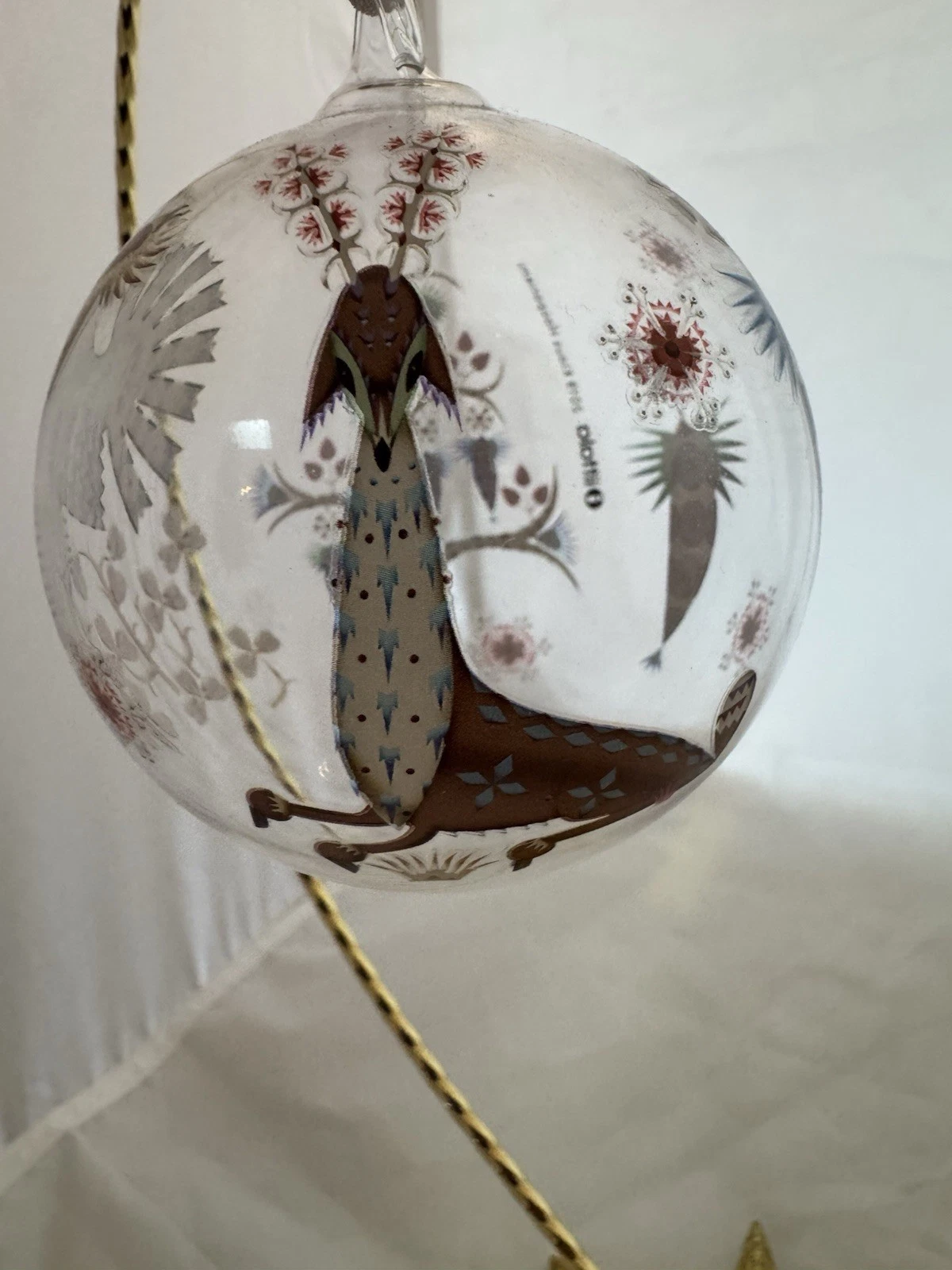
Iittala Taika Klaus Haapaniemi Glass: A Magical Journey Into Finnish Art Glass The world of Iittala Taika Klaus Haapaniemi glass is one where imagination, craftsmanship, and Nordic folklore come together to create some of the most enchanting art glass of the modern era. While Iittala has long been respected for its clean Scandinavian lines and functional modernist design, the Taika collection introduces an entirely different visual story—one filled with mythical creatures, rich colors, and whimsical illustration. In this post, we explore the history of Iittala glass, the artistry of Klaus Haapaniemi, and why the Iittala Taika Klaus Haapaniemi glass collection has become a favorite among collectors around the world. The Legacy of Iittala: A Foundation for Taika Magic Founded in 1881, Iittala has shaped the global identity of Finnish glassmaking. Known for high-quality craftsmanship and iconic modernist designs, Iittala has always valued creativity and innovation.Learn more about Iittala’s heritage here:https://www.iittala.com From the legendary Aalto vase to seasonal ornaments and tableware, Iittala glass blends durability, artistry, and function. This legacy of excellence laid the foundation for the arrival of designer Klaus Haapaniemi, whose imagination expanded Iittala’s world into something beautifully unexpected. Who Is Klaus Haapaniemi? The Artist Behind Taika Klaus Haapaniemi is one of Finland’s most celebrated contemporary artists. His work draws heavily from folklore, nature, mythical storytelling, and decorative traditions from around the world. His official site offers a deeper look into his artistic universe:https://www.klaush.com When Haapaniemi partnered with Iittala, the result was the Taika (“magic”) collection—a dramatic departure from minimalism and a bold embrace of narrative design. What Makes Iittala Taika Klaus Haapaniemi Glass So Special? A New Chapter in Scandinavian Design The Taika line blends richly detailed illustrations with high-quality Finnish glass. This creates an aesthetic that is both maximalist and deeply rooted in Nordic tradition. Folklore in Every Detail Owls, foxes, enchanted birds, and swirling patterns decorate the surface of Taika pieces, transforming each object into a miniature fairytale. Exceptional Craftsmanship The glass ornaments are beautifully formed with clarity and weight, allowing Haapaniemi’s artwork to shine from every angle. Collector Appeal The combination of artist prestige, cultural significance, and limited seasonal releases has made Iittala Taika Klaus Haapaniemi glass highly desirable for collectors. You can shop my curated collection of Scandinavian and art glass pieces here (internal link):https://artandbeautifulthings.com/shopOr view the Taika glass ornament currently listed:https://artandbeautifulthings.com/product/iittala-taika-klaus-haapaniemi-glass-ball-ornament/ How to Style and Display Iittala Taika Klaus Haapaniemi Glass Because these

Read More

Kosta Boda: A Legacy of Swedish Art Glass and Modern Mastery

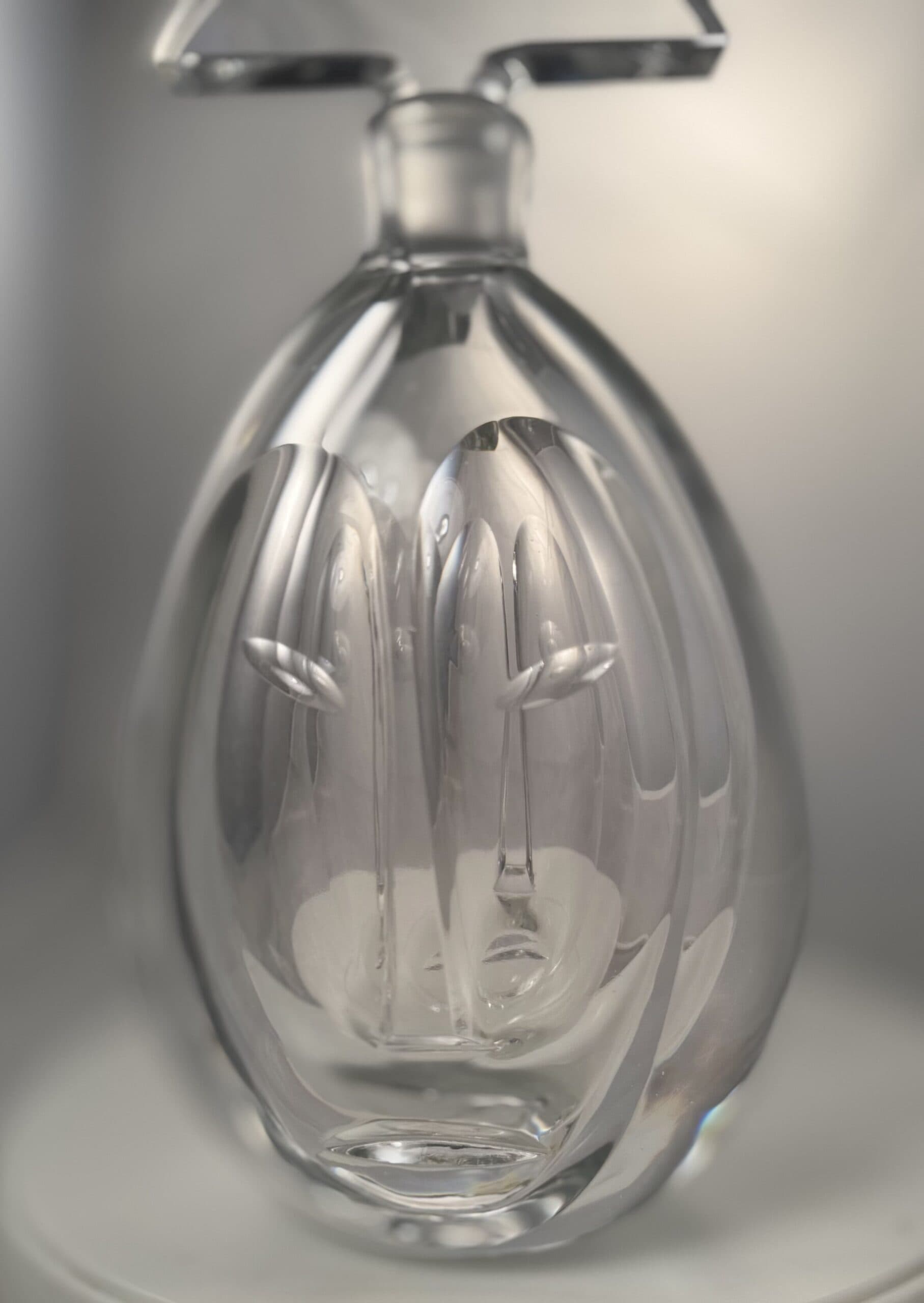
When collectors think of Swedish art glass, one name consistently emerges at the forefront: Kosta Boda. Established in 1742 in the province of Småland, Kosta is one of the oldest glassworks in Sweden and has become synonymous with innovation, artistry, and enduring craftsmanship. Over centuries, Kosta evolved from a humble glassworks into a center for artistic experimentation, nurturing some of the most iconic glass artists of the 20th and 21st centuries. Today, Kosta Boda represents the pinnacle of Swedish studio glass — a fusion of heritage, bold creativity, and technical mastery that appeals to collectors worldwide. Vicke Lindstrand: The Pioneer of Mid-Century Swedish Glass Among the artists whose work defines Kosta Boda’s international reputation, Vicke Lindstrand (1904–1983) stands as a pioneering figure. Lindstrand began his career as a decorative artist before joining Kosta Boda, where he would revolutionize modern Swedish glass. Known for his precision, sculptural vision, and experimental approach, Lindstrand was particularly fascinated with the interplay of light and form. His engraved, sculpted, and molded glass pieces combined geometric clarity with organic expression, resulting in works that are both visually striking and emotionally resonant. One of his hallmark creations, the engraved two-faced decanter, exemplifies his dual commitment to artistry and functionality. Each curve and etched line reflects his meticulous attention to detail, transforming ordinary glassware into a collectible work of art. Lindstrand’s influence at Kosta Boda extended beyond his own pieces: he helped define the company’s mid-century aesthetic, inspiring a generation of Swedish designers to explore bold forms, vibrant colors, and innovative techniques. Anna Ehrner: Contemporary Minimalism Meets Expressive Form Another luminary in the Kosta Boda universe is Anna Ehrner, whose contemporary designs are characterized by subtle elegance and emotional depth. Ehrner approaches glass as a medium for storytelling, often exploring the tension between transparency and color. Her sculptures and vessels reflect a modern sensibility while honoring the craftsmanship and technical precision that Kosta Boda embodies. Collectors of Ehrner’s work are drawn to her ability to transform molten glass into pieces that seem alive with energy, movement, and light. Gun Lindblad: Painterly Influence in Glass Gun Lindblad, a pioneering female glass artist at Kosta Boda, brought a painterly perspective to the medium. Her works often combine vibrant, layered colors with fluid forms, creating a sense of motion and spontaneity that contrasts beautifully with the disciplined craft of glassmaking. Lindblad’s pieces, whether abstract vases or sculptural figures, exemplify Kosta Boda’s

Read More
landscape painting

Loetz Glass: The Legacy of Bohemian Art Glass and Michael Powolny

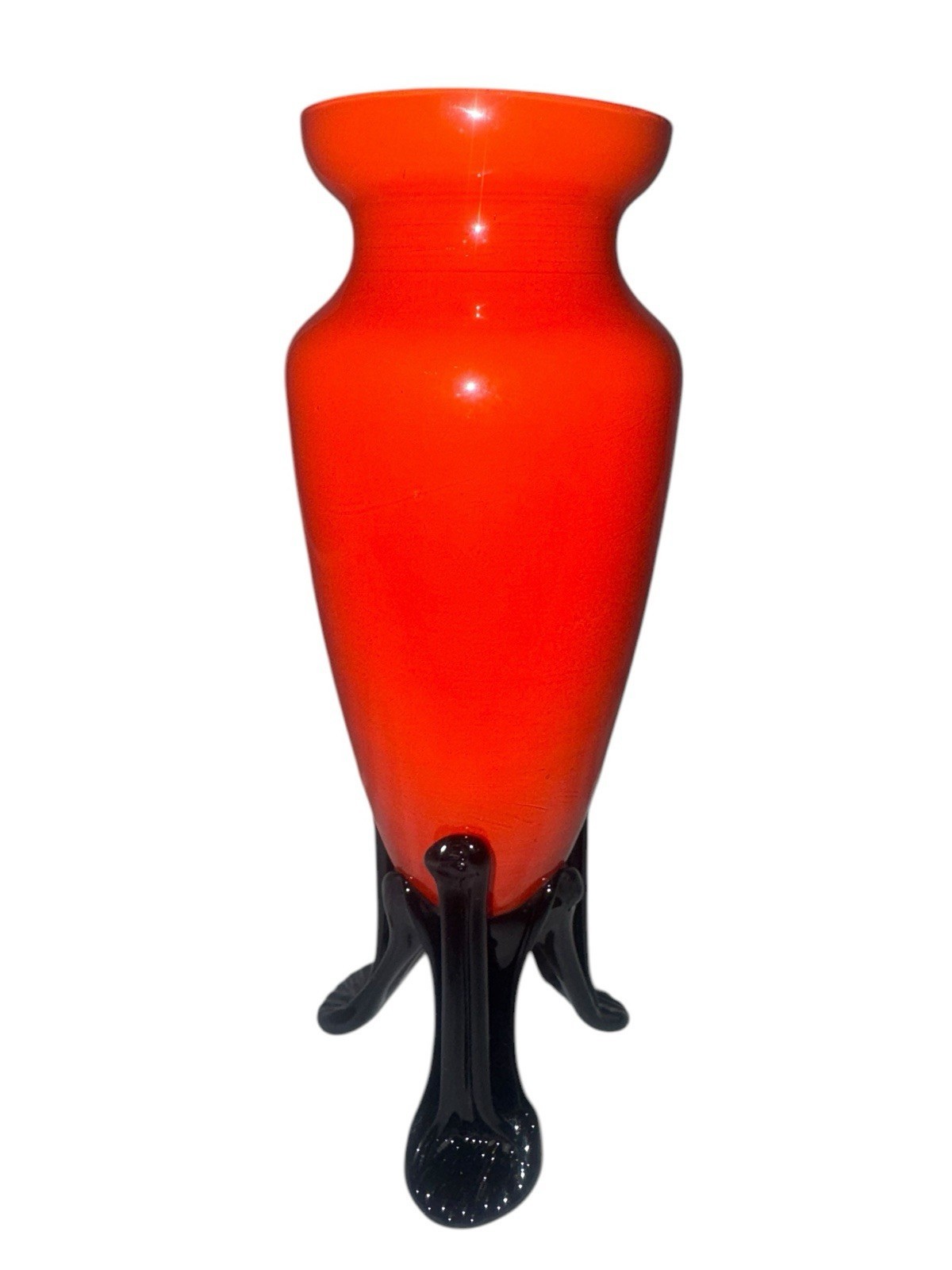
or collectors and enthusiasts of European art glass, Loetz represents one of the pinnacles of innovation, elegance, and artistic expression. Founded in the late 19th century in Bohemia, now part of the Czech Republic, Loetz glassworks quickly became synonymous with pioneering techniques, colorful iridescence, and sophisticated design. Over the decades, Loetz collaborated with some of the most talented artists of the period, including the influential Michael Powolny, whose contributions helped shape both functional and decorative glass in the early 20th century. Loetz’s prominence grew alongside the rise of the Art Nouveau movement, which emphasized organic forms, flowing lines, and natural motifs. The company became renowned for its iridescent glass, including the famous Papillon, Phänomen, and Prismen series, each displaying a mastery of color, texture, and light that captivated collectors across Europe and beyond. Loetz glass is celebrated not only for its visual beauty but also for the technical innovations it introduced, such as thin-walled glass, acid etching, and complex iridescent finishes. Michael Powolny: Sculptor, Designer, and Visionary Michael Powolny (1871–1954), an Austrian sculptor and designer, played a crucial role in elevating functional art during the early 20th century. While primarily recognized for his ceramic and sculptural work, Powolny also collaborated with European glass manufacturers, including Loetz, to create exquisite decorative pieces. His designs often blended sculptural form with practical function, reflecting the philosophy that art should be integrated into daily life. At Loetz, Powolny contributed designs that emphasized geometric precision, flowing organic motifs, and refined surface decoration. His pieces demonstrate a balance between artistry and technical mastery, characteristics that collectors prize highly today. Powolny’s influence extended beyond individual objects; his approach encouraged other designers at Loetz to experiment with form, color, and texture, contributing to the company’s reputation as a center for avant-garde glass innovation. Loetz Glass Techniques and Collectibility Loetz glass is renowned for several innovative techniques, many of which contributed to its collectible status among enthusiasts of Art Nouveau, Jugendstil, and early Modernist glass. These techniques include: Iridescence: Loetz perfected a method for producing shimmering, color-shifting surfaces, often with subtle metallic reflections, creating dynamic visual effects in every piece. Pulled Feather and Pulled Thread Patterns: These delicate techniques required precise control of molten glass, resulting in intricate linear or feathered motifs across vases and bowls. Etched and Molded Forms: Loetz combined mold-blown shapes with acid etching or engraved decoration, producing pieces with depth, texture, and artistic sophistication. Collectors

Read More

Bitossi Ceramics: A Century in Clay and Colour

In a quiet corner of Tuscany, just outside Florence, lies Montelupo Fiorentino—a name that to many sounds like a whisper of antiquity, a place where clay, water, and flame have shaped objects for centuries. It was here in 1921 that Guido Bitossi founded Maioliche Artistiche Guido Bitossi, marking not only the birth of a company name, but igniting a story about the meeting of tradition, experimentation, artistic vision, and the transformative possibilities of ceramics.   Roots, Clay, and Early Days Although the Bitossi family’s connection to ceramics goes back much further—to artisans, painters, kiln hands in Montelupo whose work stems from Renaissance traditions— the establishment of the Bitossi firm in 1921 signified a critical step: moving from generational craft toward creating a distinct, design‑oriented brand. From its outset, the firm balanced respect for classic forms and styles—ma­iolica glazes, decorative motifs—with the promise of refinement and detail. These were not rough home wares: early Bitossi works were attentive to aesthetics, finish, and design, in line with the high ceramic tradition of Tuscany. The Aldo Londi Revolution If Bitossi’s early years laid the tracks, it was Aldo Londi, stepping in as artistic director in 1946, who drove the train into new territory. Londi’s leadership unlocked a creative blossoming: experimenting with form, glaze, colour, motifs, and collaborating with designers and artists. Under Londi, Bitossi did not simply produce—but posed questions: What can glaze become? How bold can a colour be? How playful can form? One of his signature lines—Rimini Blu—launched in 1959, remains iconic. The series combined richly textured glazes, deep blues, greens, turquoises, along with engraved or impressed decorative motifs. The pieces—vases, tableware, decorative objects—showed both elegance and vitality, blending handcraft with design innovation.  During this era, Bitossi also forged artistic collaborations that carried weight: for example, working with Ettore Sottsass in the 1950s. Such partnerships allowed the company’s ceramics to engage with modern design discourses, as much as functional craft. Heritage and Innovation: The Present and the Museum Fast forward to the 21st century: Bitossi is now under the stewardship of Ginevra Bocini Bitossi—fourth generation of the family. The company remains rooted in its Tuscan factories, still making its wares in Montelupo Fiorentino, still embracing handwork, artisanal care, glaze experiments, pattern, texture, and artistic collaboration. In 2021, Bitossi opened the Bitossi Archive Museum (sometimes called the industrial archive or corporate museum), turning its old production spaces into a living repository of

Read More

Luigi Mellara: Master of Contemporary Murano Glass

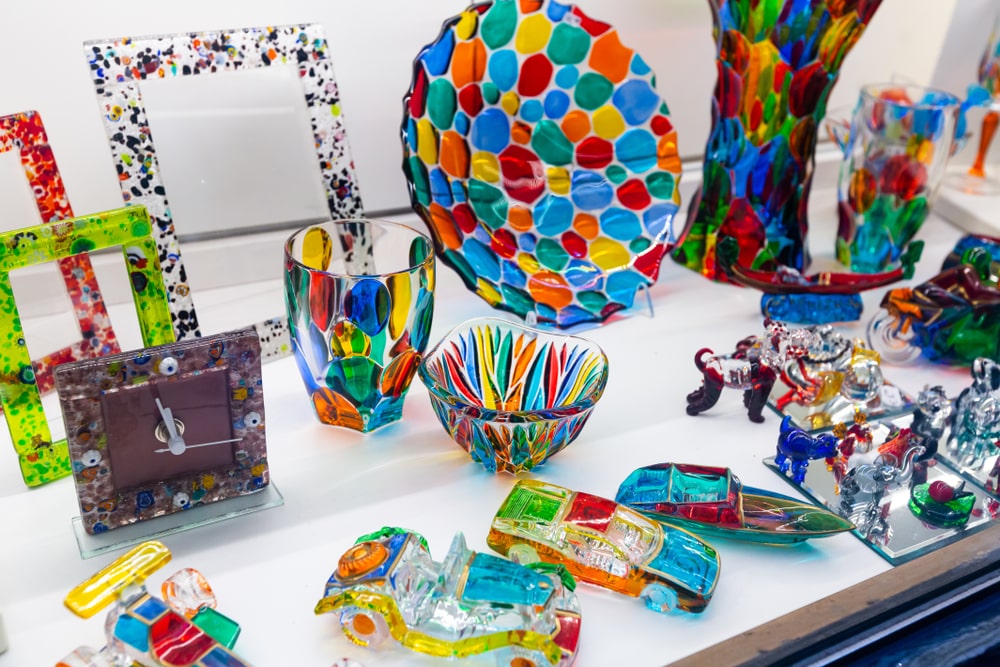
Murano glass has a long history of innovation and artistry, and among its celebrated artists is Luigi Mellara, whose work embodies both traditional techniques and contemporary vision. Mellara is recognized for his skillful manipulation of glass, creating pieces that are vibrant, expressive, and technically masterful. The Artistry of Luigi Mellara Luigi Mellara’s work stands out for its bold use of color, dynamic forms, and intricate layering techniques. He often combines traditional Murano methods, such as filigree (vetro a fili) and murrine, with his own innovative approach to shape and design, resulting in glassworks that are both visually striking and unmistakably modern. Mellara’s pieces range from sculptural vases and bowls to decorative art objects, each showcasing his ability to balance technical precision with artistic creativity. Collectors admire his work not only for its aesthetic appeal but also for the way it reflects the living tradition of Murano glassmaking, carrying centuries of craftsmanship into a contemporary context. Collecting Luigi Mellara For collectors, Luigi Mellara’s glass is a compelling combination of beauty, innovation, and rarity. His works are often limited in number, making them highly sought after by enthusiasts who appreciate both artistry and investment potential. Owning a Mellara piece is a way to engage with the evolving story of Murano glass, celebrating an artist who bridges the historic and modern eras. Whether displayed as a centerpiece in a home or added to a curated collection, Mellara’s work is a testament to the enduring power of Murano glass as both craft and art.    

Read More

Knoll Furniture and the Design Legacy of Bill Stephens

Knoll has long been celebrated for its modern, innovative, and timeless furniture designs, blending form and function in ways that have influenced offices, homes, and public spaces for decades. Among the designers who contributed to Knoll’s storied history, Bill Stephens stands out for his unique approach to craftsmanship, materials, and contemporary design. Knoll: A Tradition of Modern Excellence Founded in 1938, Knoll established itself as a pioneer in modern furniture design, collaborating with legendary designers to produce pieces that were both functional and aesthetically striking. From office environments to residential spaces, Knoll furniture embodies the philosophy that good design improves everyday life. Bill Stephens: Designer Spotlight Bill Stephens is recognized for his dedication to clean lines, practical elegance, and attention to detail. His designs for Knoll often focus on modular systems, ergonomic solutions, and high-quality materials, resulting in furniture that is both visually appealing and enduringly functional. Stephens’ work captures the balance between simplicity and sophistication, making his pieces highly sought after by collectors and enthusiasts of modern design. His contributions to Knoll are a testament to the company’s commitment to innovation, craftsmanship, and thoughtful design. Collecting Knoll Furniture Knoll furniture by Bill Stephens represents a fusion of modernist principles and timeless appeal. Whether it’s a modular office system, a sleek chair, or a minimalist table, these pieces offer practical beauty and enduring value. For collectors, owning Stephens-designed Knoll furniture is a way to connect with the history of modern design while enjoying pieces that remain functional and stylish today. Each piece tells a story of precision, artistry, and the evolution of contemporary furniture, reflecting the broader legacy of Knoll as a design leader in the 20th and 21st centuries.  

Read More

Herman Miller and the Legacy of Ray & Charles Eames

Herman Miller: The Iconic Legacy of Ray and Charles Eames For collectors of mid-century modern design, Herman Miller stands as one of the most important and influential furniture manufacturers in the 20th century. Founded in 1905 in Zeeland, Michigan, Herman Miller became a symbol of innovation, craftsmanship, and collaboration with visionary designers. Among these, Ray and Charles Eames are unparalleled in their influence, creating furniture that is both functional and sculptural, combining ergonomics, aesthetics, and modernist principles. The Eameses began working with Herman Miller in the 1940s, bringing fresh ideas that transformed American furniture design. Their approach was rooted in experimentation with materials, mass-production techniques, and human-centered design, resulting in iconic pieces that are still highly sought after by collectors today. Ray and Charles Eames were not only furniture designers but also architects, filmmakers, and educators, and their work with Herman Miller reflects a philosophy that design should improve daily life while inspiring creativity and beauty. Ray and Charles Eames: Designers of Modern Living Charles Eames (1907–1978) and Ray Eames (1912–1988) pioneered the use of molded plywood, fiberglass, and innovative composite materials to create furniture that was lightweight, durable, and elegant. Their designs, including the Eames Lounge Chair and Ottoman, the Eames Molded Plywood Chair, and the Eames Aluminum Group Chairs, exemplify the mid-century modern aesthetic: clean lines, functional simplicity, and sculptural beauty. The Eameses’ collaboration with Herman Miller was characterized by technical experimentation and design research. They sought to understand the way people interact with furniture and developed solutions that were both comfortable and aesthetically groundbreaking. The DAX, DAR, and DCW chairs, for example, demonstrate how molded plywood and fiberglass could be transformed into ergonomic seating suitable for both homes and offices. Collectors value these pieces not only for their beauty but also for their historical significance as design milestones of mid-century modernism. Herman Miller: Innovation, Collaboration, and Collectibility Herman Miller’s success lies in its commitment to collaboration with artists and designers. In addition to the Eameses, the company worked with designers such as George Nelson, Alexander Girard, and Isamu Noguchi, fostering a culture of innovation that combined functionalism with artistry. This environment allowed Ray and Charles Eames to experiment freely, resulting in furniture that was both practical and visually striking. Collectors today seek Herman Miller pieces for several reasons: their design pedigree, historical importance, and enduring quality. Original Eames chairs, especially those produced during the 1940s–1970s, are highly

Read More

Loetz Glass: Masterpieces of Iridescence and Design

Loetz glass is celebrated around the world for its stunning iridescence, innovative techniques, and timeless artistry. Emerging from Bohemia in the late 19th century, Loetz became a hallmark of Art Nouveau glassmaking, blending natural forms, vivid colors, and exceptional craftsmanship. The Artistry of Loetz What sets Loetz apart is its signature iridescent finish, achieved through innovative chemical treatments that create shimmering, rainbow-like surfaces. These pieces often feature flowing, organic shapes inspired by nature—leaves, flowers, and water motifs—which were hallmarks of the Art Nouveau movement. Collectors value Loetz glass not only for its beauty but also for its technical mastery, which remains highly regarded more than a century later. Notable Designers Several visionary artists contributed to Loetz’s reputation for excellence. Among them: Michael Powolny (1871–1954): An Austrian ceramicist and designer, Powolny brought a refined sense of form and texture to Loetz glass. His work is recognized for organic patterns, intricate surface designs, and a playful yet sophisticated approach to color and shape. Other influential designers at Loetz included artists who experimented with iridescent effects, sculptural forms, and innovative glassmaking techniques, pushing the boundaries of what glass could express in the Art Nouveau era. Each Loetz piece reflects a unique collaboration between artist and artisan. From sculptural vases to delicate bowls, these works demonstrate the fusion of design vision and technical skill that defines the Loetz legacy. Collecting Loetz Glass Today For collectors, Loetz glass offers more than visual appeal—it is a historical and artistic treasure. Pieces designed by Michael Powolny or other key artists are highly sought after for their rarity, craftsmanship, and enduring beauty. Whether displayed as a centerpiece or added to a curated collection, Loetz glass continues to captivate those who appreciate the marriage of artistic vision and technical mastery. Owning a piece of Loetz glass is like holding a piece of history—a testament to the creativity, skill, and imagination of one of the most celebrated glassmakers of the Art Nouveau period.    

Read More

Seguso Vetri d’Arte: Masters of Murano Glass Legacy

Seguso Vetri d’Arte stands as one of the oldest and most esteemed names in Murano glassmaking, with origins tracing back to 1397. This venerable company has been instrumental in shaping the evolution of Venetian glass, blending centuries-old traditions with innovative designs that continue to captivate collectors and art enthusiasts worldwide. A Storied Legacy The Seguso family’s involvement in glassmaking began in 1397 when Antonio Filius Seguxi established his workshop on the island of Murano. Over the centuries, the family honed their craft, passing down techniques and knowledge through generations. In 1933, Antonio Seguso (b. 1888) founded Seguso Vetri d’Arte, collaborating with fellow glassmakers Napoleone Barovier and Luigi Ferro. This partnership led to the creation of iconic pieces that combined traditional Venetian techniques with modern design sensibilities. Artistic Innovations and Collaborations Under the artistic direction of Flavio Poli, Seguso Vetri d’Arte became synonymous with innovation in glass design. Poli introduced groundbreaking techniques and collaborated with renowned artists to produce iconic pieces. Notably, the “Sommerso” series, developed in the 1950s, featured a layered glass technique that created depth and luminosity, showcasing the company’s mastery in combining form and function. Throughout the mid-20th century, Seguso Vetri d’Arte continued to push the boundaries of glass artistry, producing works that are now highly sought after by collectors. Their creations are celebrated for their elegance, craftsmanship, and the ability to capture the essence of Venetian glassmaking. Collecting Seguso Vetri d’Arte Owning a piece from Seguso Vetri d’Arte is more than possessing a work of art; it’s owning a piece of history. The company’s commitment to quality and innovation has resulted in a diverse range of collectible items, including vases, chandeliers, and decorative objects. Collectors value these pieces not only for their aesthetic appeal but also for their historical significance in the evolution of Murano glass.    

Read More

Florentine Leather Animal Sculptures: Where Craftsmanship Meets Imagination

The Italian art of turning leather into life Among Italy’s many artistic traditions, few are as unexpectedly enchanting as the Florentine leather animal sculptures that emerged in the mid-twentieth century. These creatures — lions, elephants, horses, and occasionally gorillas — were more than decorative curiosities; they were living examples of Italy’s enduring devotion to craftsmanship, creativity, and the poetic transformation of raw materials.   The Origins of a Craft Florence, long celebrated for its fine leatherwork, has been home to master artisans since the Renaissance. By the 1950s, these craftspeople began experimenting with new ways to showcase their skills, moving beyond handbags and bookbindings into the realm of sculpture. They developed a remarkable technique: stretching and molding thin, hand-dyed leather over carved animal forms made of wood or papier-mâché.   Each hide was soaked, softened, and carefully applied to the form, then smoothed and shaped by hand as it dried. As the leather tightened, it revealed the underlying anatomy — every muscle, vein, and curve. The most skilled artisans could achieve near-seamless finishes, creating figures so realistic they seemed poised to breathe.   An Art Form of the Mid-Century These leather animals became beloved symbols of mid-century Italian style — exotic, sophisticated, and slightly whimsical. They were sold through fine Italian decor boutiques and exported around the world, often appearing in fashionable European homes and American design magazines of the era.   While elephants and horses were most common, some artisans took bold turns with lions, camels, bulls, or even apes — their glass eyes gleaming with a spark of life. The eyes were sometimes imported from Murano, tying together two of Italy’s most celebrated crafts: leather and glass.   The Hallmarks of Quality A true Florentine leather animal can be recognized by its:   Seamless or nearly seamless construction, where the leather clings perfectly    to the form beneath.   Richly patinated surface, achieved through hand-dyeing and polishing.   Expressive glass eyes, often red or amber, that lend personality and warmth.   Solid, well-balanced stance, reflecting the artisan’s anatomical understanding.   Each figure was entirely handmade — no two were ever the same. Over time, the leather developed a deep, mellow sheen, aging as gracefully as fine Italian furniture.   Collecting Florentine Leather Animals Today Today, these sculptures are cherished as mid-century design treasures. They capture a time when artistry was woven into everyday objects and when even a

Read More

How to Start Collecting Vintage: A Guide for the Curious

So, you’re curious about vintage and wondering where to start. The good news? You don’t need a degree in art history, a six-figure budget, or permission from anyone. All you need is a spark—a feeling that beautiful things matter—and the desire to learn as you go. Here’s how to begin. Start with What You Love The most important rule in collecting? Follow your heart. Forget the trends. If you’re drawn to handblown glass, begin there. If a weathered tin or tiny figurine speaks to you, listen. When I was young, I’d fall in love with objects no one else noticed—an old button, a carved bead, a scrap of fabric from another century. I didn’t realize it then, but I was already collecting. Your collection begins the moment something makes you look twice. Learn to Look Train your eyes. The more you handle vintage pieces, the more your intuition sharpens. When examining a piece, take a moment: Turn it over Check the base and seams Feel the weight Look for any markings or signatures A few helpful clues to look for: Maker’s marks – stamped, etched, or signed Signs of age – wear, patina, faded labels Craftsmanship – hand-painted details, balanced weight, handmade textures Every object has a language—you just have to get close enough to hear it. Do a Little Research You don’t need to know everything right away. Google is your friend. So are estate sale hosts, antique dealers, library books, and fellow collectors. The more you learn about a piece’s origin or maker, the more connected you’ll feel to it. Even if something is unsigned or mysterious, the search is part of the joy. That path of discovery is often where your passion takes root. Don’t Fear the Imperfect A small chip. A worn edge. A bit of tarnish. These aren’t flaws—they’re the fingerprints of history. Perfection is overrated. In vintage collecting, it’s often the patina—the wear from use, the softness from time—that gives a piece its soul. Choose character over polish. That’s where the stories live. Buy from the Heart Yes, some pieces are valuable. Others aren’t. But the best collectors understand this truth: Value comes from connection. If something moves you, it matters. If you’re unsure, take your time. But if you fall in love? Trust that. Ready to Begin? Your collection is a portrait of your eye, your spirit, your story. Start small Stay curious

Read More

What Makes Something Art? A Collector’s Philosophy of Beauty

By Mona, Founder of Art & Beautiful Things   What exactly makes something “art”? Is it a signature in the corner of a canvas? A gallery price tag? The approval of critics?   I don’t think so.   To me, art is any beautiful thing made with mastery, care, and intention. It might be a Murano glass vase that dances with the sunlight, or a weathered spelter statue whose mystery is part of its magic. Sometimes, it’s a vintage key that feels like it still holds a story.   I’ve been collecting beautiful things for most of my life. My parents, both educators, taught me to value history, travel, and cultural craftsmanship. Over time, I realized that beauty isn’t limited to what hangs in museums. It lives in the details: the hand-thrown ceramic bowl, the antique button carved like a tiny sculpture, the perfume bottle designed like a jewel.   What they all have in common is the artist’s touch. When a piece is shaped by human hands—when it carries the trace of care, vision, and skill—it transcends its function. That’s art to me.   I also believe beauty is emotional. Sometimes I find a piece and instantly feel connected to it. Not because it’s expensive or famous, but because it speaks. Maybe it reminds me of a place, a time, a loved one—or maybe it just stirs something unnamed. Art makes us pause. It makes us feel. That’s what gives it value.   As a collector and curator, I see myself as a temporary steward. I hold onto these objects until they find their rightful owner—someone who sees the same beauty I saw. My joy comes from that moment of connection: when a piece goes home.   So if you’ve ever been drawn to something “unimportant,” something strange or unassuming, but full of soul—maybe you’re a collector too. Maybe you’re an artist in your own right, curating beauty for your life.   Explore. Feel. Surround yourself with what moves you. That’s what art is, after all.

Read More

Baccarat Glass: A Legacy of Crystal Brilliance and Timeless Elegance

In the world of fine crystal, few names command as much reverence as Baccarat. For over two centuries, Baccarat has stood as a symbol of elegance, luxury, and unparalleled craftsmanship. From royal courts to modern-day collectors, Baccarat glass has been cherished not just as functional objects but as enduring works of art. This blog post dives deep into the history of Baccarat glass, exploring its origins, its rise to international fame, and the reasons why it continues to captivate collectors, designers, and luxury enthusiasts today.   The Birth of Baccarat: Origins in Eastern France The story of Baccarat begins in the quiet village of Baccarat, nestled in the Lorraine region of northeastern France. In 1764, King Louis XV granted permission to establish a glassworks factory in the region. The aim was to stimulate the local economy, particularly after years of war had left the area impoverished. The factory was founded by Bishop Louis-Joseph de Montmorency-Laval, and originally produced window panes, mirrors, and stemware. It wasn’t until the early 19th century that Baccarat transitioned to producing the fine lead crystalit is now renowned for. By 1816, Baccarat had installed its first crystal furnace, a pivotal moment that transformed the brand from a local operation into a future global icon. From there, Baccarat began perfecting the production of clear crystal, eventually experimenting with colored crystal, cut patterns, gilding, and engraving techniques that would define the brand’s luxurious style. Rise to Fame: Royal Patronage and International Recognition Baccarat’s reputation quickly grew during the 19th century, particularly when it began winning medals at major international exhibitions. One of the company’s turning points came at the Exposition des Produits de l’Industrie Française in 1823, where Baccarat received its first gold medal. Soon after, royalty and aristocracy took notice. King Louis XVIII, Tsar Nicholas II of Russia, Emperor Napoleon III, and the Maharajas of India became patrons. Baccarat received numerous royal commissions, producing exquisite crystal sets for palaces and courts around the world. By the mid-1800s, Baccarat had earned its reputation as the glassmaker of kings. The brand became synonymous with sophistication, its designs blending meticulous French craftsmanship with timeless aesthetics. The demand wasn’t just in Europe; Baccarat pieces were exported across Asia, the Middle East, and the Americas.   Artistry and Craftsmanship What sets Baccarat apart from other glassmakers is its commitment to traditional artisanal methods. Each piece of Baccarat crystal is the result of

Read More
modern art

From Silver Screen to Studio: The Ceramic Art of Jean Marais

Jean Marais is celebrated worldwide as the dashing star of French cinema’s golden age. His roles in masterpieces like La Belle et la Bête and Orpheus cemented his status as an icon of poetic realism and cinematic fantasy. Yet, beyond the glare of the film set, Marais cultivated a profound and lifelong passion for another art form: pottery. His journey from acclaimed actor to dedicated artisan reveals a man driven by an insatiable need to create. This article explores the dual legacy of Jean Marais, charting his path from cinematic legend to a master of French ceramic art, whose expressive works continue to captivate collectors and art lovers today. Key Takeaways Dual Legacy: Jean Marais was not only a legendary French actor known for his roles in classic films but also a highly respected ceramic artist who established a second career in pottery. Vallauris Connection: In the 1960s, Marais moved to Vallauris, a town in the South of France famous for its ceramics community (also associated with Picasso), where he established his own workshop and fully immersed himself in the craft. Unique Artistic Style: Jean Marais’s pottery is characterized by its bold, sculptural forms, often featuring mythological motifs, expressive masks, and fantastical elements. His work blends his theatrical background with traditional craftsmanship. Collector’s Focus: Authentic Jean Marais ceramics are highly sought after. Collectors prioritize pieces with clear provenance, his distinct signature, and good condition, valuing the unique, handcrafted nature of his work. Enduring Influence: Marais’s artistic contributions are celebrated in exhibitions and museum collections, securing his legacy as a multi-talented artist who seamlessly bridged the worlds of performance and plastic arts. The Cinematic Icon: A Foundation in Fantasy and Realism Before he ever touched clay, Jean Marais captured the imagination of a generation. Born in 1913, he rose to fame in the 1940s and 1950s, becoming a leading man synonymous with French poetic realism. His collaboration with director Jean Cocteau produced some of cinema’s most enduring works. In La Belle et la Bête (1946), Marais delivered a mesmerizing dual performance as the tortured Beast and the charming Prince, a role that showcased his physical grace and emotional depth. This was followed by another Cocteau masterpiece, Orpheus (1950), where Marais portrayed the titular poet on a surreal journey into the underworld. These films, celebrated for their dreamlike visuals and mythological underpinnings, established Marais as a figure capable of bridging reality and

Read More
oil abstract art

Part 3: The Evolution of Murano Glass Over Time

Murano glass didn’t just evolve artistically—it adapted in response to global shifts, economic challenges, and technological advances. From its early days in Venice to the present, Murano’s glassmaking industry has faced both hardship and rebirth. One of the most significant challenges came in the 18th and 19th centuries. Competition from other glassmaking regions, particularly from France and Bohemia, threatened Murano’s dominance. However, the industrial revolution brought about a revival, as new technologies and mass production methods breathed new life into the Murano glass industry. By the late 19th century, companies like Antonio Salviati introduced innovative designs that combined traditional techniques with modern sensibilities, reinvigorating interest in Murano glass. After World War II, Murano glassmakers once again found themselves adapting. The war left factories damaged, and materials were scarce. Yet, in the post-war period, Murano glass experienced a renaissance. Renowned artists like Carlo Scarpa and Fulvio Bianconi brought fresh artistic visions, and the world once again began to recognize Murano glass as not just functional pieces, but works of art. Today, Murano glass remains a symbol of artistry and innovation, continuing to evolve with the times. While the methods and techniques have changed, the spirit of craftsmanship and beauty that defined its origins in Venice continues to thrive in every piece. Exploring the Masters of Murano Glass: Artists Who Shaped a Legacy Murano glass is celebrated for its exquisite craftsmanship, and over the centuries, some extraordinary artists have elevated the art form to new heights. Let’s take a closer look at the lives and works of five influential Murano glass artists whose creative brilliance continues to inspire glassmakers today. Carlo Scarpa: The Bridge Between Tradition and Modernity Carlo Scarpa is widely regarded as one of the most important figures in Murano glass. Fusing traditional glassmaking techniques with modern design, Scarpa’s work was ahead of its time. His innovative approach to form, color, and texture created pieces that were both artistic and functional. Scarpa’s collaborations with glassmakers from Venini—one of the most prestigious Murano glass companies—brought his visionary designs to life, forever changing the way glass was viewed in the art world. Alessandro Pianon: Revolutionizing Design with Bold Creativity Alessandro Pianon’s work is a stunning example of the evolution of Murano glass artistry. Known for his bold experimentation with shapes and colors, Pianon pushed the boundaries of traditional glass design. His work integrated a minimalist approach while embracing the rich history of

Read More
oil abstract art

Part 2: Key Artistic Movements in Murano Glass

Murano glass has a rich history, evolving alongside cultural shifts, changing tastes, and new technologies. Over the centuries, several artistic movements have shaped the glassmaking techniques and designs that continue to define Murano glass today. One of the first milestones in Murano’s artistic revolution came in the 15th century with the introduction of cristallo, a clear, transparent glass that changed the world of Venetian glassmaking. Angelo Barovier’s invention of cristallo in the 1450s allowed artisans to create delicate, translucent pieces that were both functional and beautiful. This marked Murano glass as a luxury commodity prized by European royalty. The Renaissance period further elevated Murano’s craft with intricate glass mosaics and decorative pieces that echoed the era’s artistic brilliance. During this time, Murano glassmakers began experimenting with a wider range of colors and techniques, such as gold leaf and glass-encrusted jewels, which added layers of opulence to their work. As the centuries progressed, the Baroque, Rococo, and Art Nouveau movements left their mark on Murano glass. In the 19th century, figures like Antonio Salviati helped revive the craft with modernized designs that attracted a new generation of collectors and artists. Even in the 20th century, contemporary glassmakers, like the legendary Venini company, experimented with bold forms, patterns, and styles, creating the cutting-edge glasswork we know today.

Read More
oil abstract art

The Timeless Art of Murano Glass

Introduction Murano Glass, the iconic product of the Venetian island of Murano, is a symbol of refined artistry and centuries-old craftsmanship. Renowned for its vivid colors, intricate designs, and timeless beauty, Murano Glass has captivated art collectors, designers, and enthusiasts for generations. This unique form of glassmaking is not just a craft but an expression of cultural heritage that has evolved through the centuries while retaining the traditions that make it truly special. The History of Murano Glass Murano Glassmaking dates back to the early Middle Ages, but its golden age began in the 13th century when the Venetian Republic recognized the importance of preserving the secrets of glassmaking. To protect the craft, the Venetian authorities moved all glassmakers to the island of Murano in 1291. Over time, the island became the heart of glass production, and Murano Glass earned its reputation as some of the finest glass in the world. Over the centuries, Murano artisans honed their skills, developing unique techniques and designs. Today, Murano Glass is still made in the same traditions, passed down through generations of skilled artisans. The Crafting Process Creating Murano Glass is no simple feat. It requires mastery of multiple techniques and a deep understanding of materials. The process begins with the melting of silica, soda, and lime in a furnace, which is then manipulated into shape by skilled glassblowers. Murano artisans use specialized tools such as blowpipes, molds, and metal rods to shape the molten glass. One of the most notable techniques is glassblowing, where artisans skillfully blow air into a blob of molten glass, creating intricate shapes, such as delicate chandeliers or ornate vases. Other techniques include lampworking, in which smaller pieces are carefully manipulated, and murrine, a method where rods of glass are sliced to reveal intricate patterns. Types of Murano Glass Murano Glass is known for its diverse range of styles and techniques. Some of the most famous types of Murano Glass include: Millefiori: Translating to “a thousand flowers,” Millefiori involves creating intricate patterns by layering colored glass canes and then cutting them to reveal floral designs. Sommerso: This technique involves layering different colors of glass to create depth, giving the glass a two-tone or multi-tone effect. Gold-Flecked Glass: Incorporating gold leaf or gold powder into glass is a signature Murano technique, often used in the creation of luxurious objects like jewelry and fine vases. These techniques, combined with vivid

Read More