 (248) 617-7717
 mona@artandbeautifulthings.com




- 80s
- Art
- Abstract
- Art Deco
- Atomic
- Brutalist
- Ceramics & Pottery
- China & Porcelain
- Collectibles
- Decor
- Delightfully Kitschy
- Fashion
- Folk
- Fun
- Furniture
- Glass
- Gothic
- Holiday
- Historical Significance
- Hollywood Regency
- Industrial
- Kitchen
- Lighting
- Metal
- Mid Century
- Mid Century Modern
- Modern
- Off The Wall
- Old World
- Pop Art
- Primitive
- Rustic
- Salvage
- The Beauty Of Asia
- The Beauty of All Europe
- The Beauty of Canada
- The Beauty of France
- The Beauty of Italy
- The Beauty of Scandinavia
- The Beauty of the UK
- The Classics
- Whimsical
Part 1: The Origins of Murano Glass

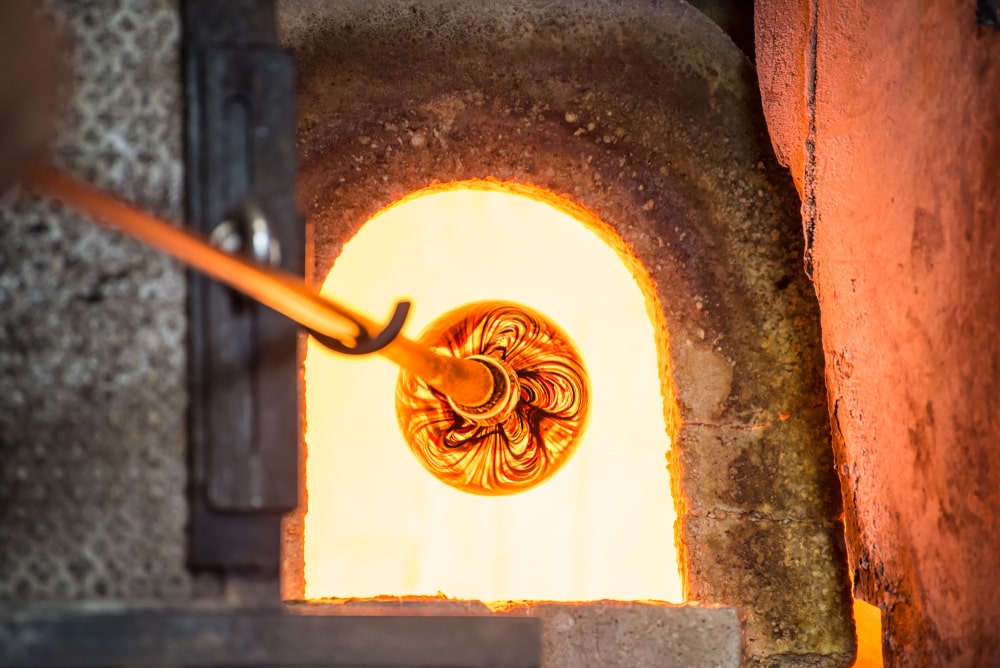
Murano glass is a name synonymous with craftsmanship, beauty, and tradition. But how did this small Venetian island become the birthplace of the world’s finest glass? The story begins in Venice, where glassmaking was initially rooted, but it wasn’t until the late 13th century that Murano would take the reins.
Venice, with its labyrinth of narrow streets and wooden structures, was a fire hazard—particularly given the intense heat used in glassblowing. In 1291, the Venetian Republic made the bold decision to move its glassmaking industry to Murano. The reason? To protect Venice from the fire risks and, more critically, to guard the secrets of glassmaking, which were a closely held trade. Glassmakers were granted privileges but were prohibited from leaving Venice, ensuring that their techniques would remain protected.
Murano quickly became the world’s glass capital, as skilled artisans created masterpieces in a variety of styles. But this period was not without its struggles. Throughout history, Murano glassmakers faced competition, economic decline, and wars, but their resilience ensured that their craft would endure.