 (248) 617-7717
 mona@artandbeautifulthings.com




- 80s
- Art
- Abstract
- Art Deco
- Atomic
- Brutalist
- Ceramics & Pottery
- China & Porcelain
- Collectibles
- Decor
- Delightfully Kitschy
- Fashion
- Folk
- Fun
- Furniture
- Glass
- Gothic
- Holiday
- Historical Significance
- Hollywood Regency
- Industrial
- Kitchen
- Lighting
- Metal
- Mid Century
- Mid Century Modern
- Modern
- Off The Wall
- Old World
- Pop Art
- Primitive
- Rustic
- Salvage
- The Beauty Of Asia
- The Beauty of All Europe
- The Beauty of Canada
- The Beauty of France
- The Beauty of Italy
- The Beauty of Scandinavia
- The Beauty of the UK
- The Classics
- Whimsical
The History of Gift Giving: How a Timeless Tradition Shapes the Way We Celebrate

The History of Gift Giving: A Timeless Tradition That Connects Us All
Gift giving is one of the most universal human traditions. Across continents, cultures, and centuries, people have exchanged tokens of appreciation, symbols of affection, and objects of meaning to mark life’s most important moments. While the world has changed dramatically, the gesture of offering a gift remains one of the simplest and most powerful ways to express connection.
To understand why gifts matter so deeply today—especially during the holiday season—it helps to explore the history of gift giving and how this ritual evolved into the cherished practice we know and love.
Ancient Origins: Gifts as Symbols of Survival and Strength
The earliest forms of gift giving stretch back to prehistoric humans. Long before formal celebrations existed, people exchanged items as signs of goodwill, loyalty, and cooperation. These early gifts included simple objects such as stones, feathers, decorative bones, and handmade tools—each carrying symbolic meaning within the group.
The purpose was practical and emotional:
-
strengthen alliances
-
show respect
-
express gratitude
-
maintain harmony within the community
In many ways, this instinct to connect through giving has never changed.
Gift Giving in Classical Civilizations
As human societies grew more complex, the traditions surrounding gifts became more organized and ceremonial.
Egyptian Traditions: Gifts for the Divine
In ancient Egypt, offerings were made to gods, goddesses, and pharaohs. Gifts accompanied religious rituals, royal burials, and seasonal festivals. Fine goods such as oils, precious stones, carvings, and crafted objects symbolized devotion and gratitude.
Greek and Roman Influences
The Greeks exchanged gifts to honor victories, celebrate births, and mark public festivals. Items such as wreaths, figurines, and decorated vessels carried messages of admiration and respect.
The Romans refined the tradition further. During the winter festival of Saturnalia, they exchanged candles, pastries, coins, and figurines—gifts believed to bring luck and prosperity. Saturnalia’s customs heavily influenced the Christmas gift-giving practices that emerged centuries later.
Medieval and Renaissance Gift Traditions
The Middle Ages: Gifts of Honor and Obligation
In medieval Europe, gift giving was common in royal courts, churches, and village celebrations. Nobles exchanged luxurious goods—textiles, jewelry, crafted objects—to build alliances and demonstrate wealth. Among everyday people, handmade gifts such as bread, candles, or carved wooden items showed hospitality and goodwill.
The Renaissance: Gifts Become Personal
During the Renaissance, as art and craftsmanship flourished, gifts began to reflect personal sentiment. People chose items that conveyed emotion—books, paintings, decorative ceramics, and jewelry. This shift marked the beginning of choosing gifts not for duty, but for meaning.
Victorian Era: The Birth of Modern Gift Giving
Many of our contemporary holiday traditions emerged during the 19th century. The Victorians adored sentimental expression and turned Christmas into a warm, family-centered celebration.
This era introduced:
-
wrapped gifts
-
Christmas trees
-
handwritten cards
-
personalized presents
-
the idea of giving from the heart
It was during this time that gift giving became deeply associated with love, appreciation, and thoughtfulness.
The 20th Century: Globalization and the Rise of Commercial Gifts
In the modern era, gift giving expanded beyond holidays to include birthdays, anniversaries, graduations, and personal milestones. With industrialization and global trade, people gained access to a wider variety of goods—from fashion to electronics to decorative objects.
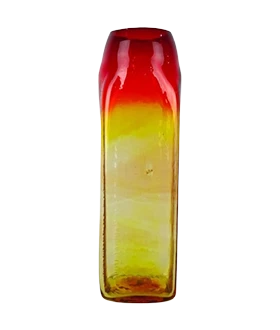
By the mid-century period (a time Art & Beautiful Things specializes in), gifts often reflected craftsmanship, design, and culture. Items such as Murano glass, Blenko art glass, Bitossi ceramics, and sculptural home décor became iconic presents in stylish homes across America and Europe.
These pieces were treasured not just for their beauty, but for their artistry—an idea that continues today.
Why We Give Gifts: The Meaning Behind the Tradition
Across every era, gift giving has served the same emotional purpose:
-
to show love
-
to express appreciation
-
to strengthen relationships
-
to celebrate milestones
-
to bring joy
A meaningful gift says, “I see you. I value you. I appreciate what you bring into my life.”
Today, whether the gift is handmade, vintage, artistic, or experiential, the heart behind it remains unchanged.
The Future of Gift Giving: Thoughtful, Personal, Sustainable
Modern gift giving has begun to shift back toward intention and meaning. People increasingly choose gifts that tell a story, support artisans, honor craftsmanship, or reflect personal taste—rather than mass-produced items.
Vintage and art pieces, like those curated at Art & Beautiful Things, are becoming popular gifts because they are:
-
unique
-
sustainable
-
beautifully crafted
-
full of history
-
emotionally meaningful
A gift with a story becomes a treasured keepsake.
Final Thoughts: A Tradition That Connects Us All
The history of gift giving teaches us that while the objects may change, the meaning stays the same. Every culture, every time period, every generation has understood the importance of expressing love and connection through thoughtful offerings.
Whether it’s a handcrafted ornament, a piece of mid-century art glass, a vintage ceramic, or a heartfelt personal token, gift giving remains one of the most enduring human gestures.
It is how we celebrate, how we remember, and how we show one another that we care.
If you want, Mona, I can also create:
✔ 5 Pinterest Pin descriptions
✔ An email newsletter version
✔ A set of social media captions
✔ Internal link suggestions tailored to your shop inventory
✔ A “Gift Guide” blog to pair with this post