Uncategorized

The Art of Living Boldly: A Comprehensive Guide to Hollywood Regency Decor

The world of interior design is often a pendulum swinging between the quiet restraint of minimalism and the vibrant storytelling of maximalism. Standing firmly in the camp of the spectacular is Hollywood Regency. This style isn’t just about furniture; it’s about a lifestyle—one rooted in the golden age of cinema, where every room was a stage and every homeowner was the leading star. Whether you are looking to incorporate a single statement piece, like a grand 41 inch Hollywood Regency gilded peacock wall mirror, or transform an entire suite, understanding the DNA of this aesthetic is the key to creating a home that feels both curated and cinematic.

The Origins of Glamour: A Cinematic History

Emerging in the 1930s during the height of Hollywood’s “Golden Age,” this style was pioneered by actors-turned-designers and architects who wanted to bring the high-contrast, high-drama sets of the silver screen into private residences. Designers like Dorothy Draper and William Haines redefined American luxury by rejecting the heavy, dark Victorian styles of the past in favor of something more playful, sophisticated, and overtly expensive.

Hollywood Regency was designed to make people look good. The use of lacquered surfaces, strategic lighting, and abundant mirrors was intended to reflect the glow of cocktail parties and the shimmer of evening wear. It was a style born out of the desire to celebrate life, luxury, and the art of the “show.”

The Core Elements: How to Master the Look

To achieve an authentic Hollywood Regency feel, one must balance several distinct design pillars. It is a style that thrives on contrast—mixing the old with the new, the shiny with the matte, and the simple with the ornate.

1. High-Contrast Color Palettes While modern trends often lean toward “greige” and muted tones, Hollywood Regency embraces color with open arms. Classic combinations include crisp black and white paired with a single, vivid “pop” color like emerald green, canary yellow, or fuchsia. The goal is to create a backdrop that feels crisp and deliberate, allowing the furniture to stand out as sculptural elements.

2. Reflective Surfaces and Metallic Accents Nothing says glamour quite like a reflective surface. Mirrored furniture, chrome accents, and gilded finishes are non-negotiable. Gold, in particular, plays a massive role in warming up a space and adding a sense of royalty. An ornate gilded peacock mirror is a perfect example of this; the gold finish catches the light, while the mirror itself creates depth and “opens up” the room.

3. Chinoiserie and Neo-Classical Influence Hollywood Regency is a magpie of styles. It frequently borrows from Chinese motifs (Chinoiserie)—think bamboo-style chairs, lacquer screens, and bird motifs—and mixes them with Neo-Classical lines from Greek and Roman architecture. This creates a “collected” look that feels worldly and well-traveled.

The Power of the Statement Piece: The Peacock Motif

In Hollywood Regency decor, the peacock is more than just a bird; it is a symbol of integrity, beauty, and unabashed pride. Incorporating animal motifs is a hallmark of the style, as it adds a touch of whimsy to the formality of the gilded age.

A 41 inch tall by 34 inch wide gilded peacock wall mirror serves as the ultimate anchor for a Regency-inspired room. Its large scale provides the necessary “theatre” for the space, while the intricate, swirling plumage of the frame adds a textural complexity that draws the eye. Even with minor vintage character, such as small chips in the finish, these pieces tell a story of longevity and timeless appeal. When placed above a lacquered sideboard or in a grand foyer, a piece of this magnitude dictates the energy of the entire area.

Texture and Pattern: The Finishing Touches

To prevent a room from feeling too “cold” or museum-like with all those hard, shiny surfaces, Hollywood Regency relies heavily on luxurious textiles.

  • Velvet: Deep, plush velvet sofas in jewel tones provide a tactile contrast to glass coffee tables.

  • Animal Prints: A zebra-patterned rug or leopard-print pillows add a “wild” edge to the sophisticated lines of the furniture.

  • Silk and Satin: Window treatments in heavy silks add a layer of soft, vertical architecture to the room.

The interplay of these textures ensures that the room feels comfortable and lived-in, despite its high-gloss appearance.

Modern Hollywood Regency: How to Do It Today

You don’t need a sprawling Beverly Hills mansion to enjoy this style. In modern interiors, Hollywood Regency is often blended with “Mid-Century Modern” to create a look that is both functional and fabulous.

The Entryway Entrance The foyer is the best place to start. A large gilded peacock mirror placed across from a light source immediately signals to guests that they are entering a home of distinction. The mirror reflects light into what is often the darkest part of the home, while the 41-inch height provides a full-length-adjacent view for a last-minute outfit check.

The “Jewel Box” Bathroom Small powder rooms are perfect candidates for Regency maximalism. Cover the walls in a bold Chinoiserie wallpaper, install brass sconces, and hang a gold-framed mirror. Because the space is small, the “over-the-top” elements feel intentional and cozy rather than overwhelming.

Layering the Old and New Authenticity in this style comes from the vintage “find.” While modern reproductions are available, pieces that show a bit of history—even those with small chips or a weathered patina—add a layer of “old money” charm that brand-new items cannot replicate. These imperfections suggest the piece has been part of many glamorous evenings and high-society gatherings.

Why Hollywood Regency Endures

Trends come and go, but the desire for a bit of magic in our daily lives remains constant. Hollywood Regency has endured for nearly a century because it celebrates the individual. It allows you to showcase your personality through bold choices, sculptural shapes, and a bit of “glitter.”

It is a style that encourages us to stop hiding behind “safe” beige walls and embrace the peacock within. By focusing on scale, shine, and a few high-quality statement pieces, you can transform your living space into a sanctuary of style that feels like a permanent vacation in the golden age of Hollywood.

Conclusion

Whether you are a maximalist at heart or just looking to add a touch of sparkle to a modern home, Hollywood Regency offers a roadmap to a more beautiful life. Start with the basics: focus on symmetry, choose one or two bold colors, and never underestimate the power of a large, gilded mirror to change the entire mood of a room. After all, in the theater of life, shouldn’t your home be the most beautiful set?
Blog Post, Feature Resource, Resources, Uncategorized

Vincenzo Nason: Master of Mid‑Century Murano Glass

The world of Murano glass is defined by centuries‑old traditions, daring innovation, and masters who continually push the boundaries of what can be achieved in molten glass. Among these influential figures, Vincenzo Nason occupies a special place. Though perhaps less familiar to the general public than some of his contemporaries, Nason’s contribution to 20th‑century Italian glassmaking is undeniable—bridging the golden era of Murano craftsmanship with modern design sensibilities.

Origins and Establishment of V. Nason & Cie

Vincenzo Nason’s artistic legacy centers on the glassworks he founded on the Venetian island of Murano—a district synonymous with world‑leading artisanal glass production. After training and gaining experience at the prestigious Venini glassworks, Nason established Vincenzo Nason & Cie (often marked simply as “V. Nason & C.” on labels) in 1967, positioning his studio among the elite producers of Murano art glass.

Over the next three decades, the company became known for both decorative and sculptural glass objects that married traditional Murano techniques with mid‑century modern aesthetics. While the studio eventually ceased operations around 2001, its influence on Murano glass collecting and design continues to be felt today.

Signature Styles and Techniques

One of the signatures of Nason’s output was the creative use of Avventurina glass—a glass enriched with shimmering copper or metal inclusions that give the surface a luminous, almost celestial sparkle. This range became one of the hallmarks of V. Nason & C’s production, evidenced by vintage vases, bowls, and ashtrays that feature black glass rich with copper‑flecked aventurine.

In addition to Avventurina, Nason’s studio produced:

  • Sommerso glass sculptures and vases, where layered colors are encased within crystal for multidimensional depth.

  • Animal and bird sculptures, finely mouth‑blown figurines capturing form and motion in clear, colored, or fumé glass.

  • Opaline glass objects, sometimes labeled “Veritable Opaline de Murano” or “Veritable Opaline de Venise,” often featuring soft, opalescent hues and tableware‑style shapes.

Collectors frequently encounter whimsical creatures such as seals with balls, dolphins, elephants, cats, and fish crafted under the V. Nason & C label—each offering a testament to the studio’s versatility and mastery of technical form.

Varied Forms: From Figurines to Faceted Sculptures

While many glassmakers focus on one category of form, Nason’s catalog was remarkably broad. His company created everything from small paperweights and table accessories to larger sculptural statements. Many pieces are signed or labeled, making them attractive to collectors seeking authenticated Murano originals.

Some particularly notable categories include:

  • Faceted Sommerso vases that reflect the interplay of geometric shape and layered color.

  • Animal sculptures in clear, smoky, amber, blue, or neodymium tones, often inspired by nature and rendered in elegant forms that balance whimsy with artistic refinement.

  • Opaline pieces and decorative bowls, which highlight the softer, more luminous side of Murano glass aesthetics.

These items appear frequently in online collector markets and Italian design auctions, offering a wide range of options for both seasoned and new Murano aficionados to explore.

Nason’s Place in Murano Glass History

The founding of V. Nason & Cie occurred during a period when Murano glassmaking was both preserving ancient traditions and experimenting with contemporary styles. Nason’s work exemplified this duality. By mastering classic methods like layered Sommerso glass and aventurine inclusion, he honored Murano’s legacy, while the studio’s modern shapes and decorative forms reflected the artistic currents of the 1960s through the 1990s.

This balance made Nason’s glass attractive not just to local Venetian markets but to international collectors and designers seeking mid‑century Italian glass with both historical pedigree and decorative versatility. Pieces bearing his mark often grace interiors that blend vintage character with modern sensibilities.

Legacy and Collectibility

Today, Vincenzo Nason’s works remain highly collectible for Murano glass enthusiasts. Whether a small figurine or a larger sculptural vase, his pieces reflect the hallmark craftsmanship of Murano artisans while offering something distinct in style and technique.

Collectors often seek out pieces both for their aesthetic appeal and for how they represent a bridge between tradition and mid‑20th‑century innovation. The variety of subjects—from animals to purely abstract forms—makes Nason’s oeuvre particularly rich and accessible for diverse tastes and decor settings.

In Closing

Vincenzo Nason may not be as widely known as some glass superstars, but his legacy in the world of Murano art glass is rich and enduring. His work—with its shimmering aventurina, layered Sommerso, and expressive sculptural forms—remains a testament to the ingenuity that defines Murano’s storied glass tradition. Whether admired in private collections, online marketplaces, or design galleries, Nason’s creations continue to captivate with their technical excellence and artistic charm.

Baccarat Glass, Blog Post, Feature Resource, Products, Resources, Uncategorized

The History and Elegance of Baccarat Epergnes: A Collector’s Guide to French Crystal Luxury

The Timeless Beauty of the Baccarat Epergne: A Collector’s Guide

Among the world’s finest table centerpieces, few objects capture the grandeur of European luxury like a Baccarat epergne. These breathtaking crystal creations—often featuring cascading arms, cut-glass bowls, and intricate decorative elements—were once the crown jewels of aristocratic dining rooms. Today, they remain some of the most sought-after pieces in antique crystal collecting.

But what exactly is an epergne? Why did Baccarat become the premier producer of these ornate showpieces? And what should collectors look for when evaluating one today?

Let’s explore the history, artistry, and enduring appeal of the Baccarat epergne.


What Is an Epergne? The Centerpiece of European Elegance

An epergne is a multi-tiered centerpiece traditionally placed in the middle of a formal dining table.
Historically, they were used to hold:

  • fruit

  • sweetmeats

  • flowers

  • candles

  • decorative ornaments

Epergnes often feature a central bowl surrounded by radiating arms, each holding smaller dishes or vases. They were a statement of refinement and wealth—a visual celebration of abundance.

While many European glasshouses produced epergnes, Baccarat elevated them to an art form.


The Baccarat Legacy: Crystal Mastery Since 1764

Founded in 1764 in the French village of Baccarat, the company quickly became synonymous with luxury crystal. From royal commissions to world expositions, Baccarat built its reputation on precision cutting, clarity, and innovative design.

By the mid-19th century, Baccarat began crafting elaborate crystal epergnes that combined artistry with technical brilliance. These pieces often featured:

  • sharply faceted crystal

  • hand-cut decorative patterns

  • sculptural arms and branches

  • removable bowls and flutes

  • highly polished surfaces that catch and reflect light

Their weight, clarity, and brilliance set them apart from other crystal makers.


Why Baccarat Epergnes Became Icons of Luxury

Throughout the 19th and early 20th centuries, a Baccarat epergne was the centerpiece of fine dining rooms across Europe and America. Several reasons contributed to their enduring prestige:

1. Unmatched Craftsmanship

Every Baccarat epergne required dozens of hours of skilled cutting, assembling, and finishing.
The clarity and symmetry of the crystal are unmistakable.

2. Statement-Making Design

These pieces were not functional objects alone—they were showpieces.
They transformed dining tables, reflecting candlelight and elevating the entire room’s atmosphere.

3. Rarity and Limited Production

Because of their complexity, epergnes were produced in smaller quantities than bowls, vases, or stemware.
Surviving examples are prized today.

4. Historical Significance

Many Baccarat epergnes were exhibited at world fairs, displayed in palaces, or gifted to dignitaries.
Owning one is owning a piece of history.


How to Identify an Authentic Baccarat Epergne

Collectors should evaluate several key characteristics when determining authenticity:

1. Crystal Clarity and Weight

Baccarat crystal is exceptionally clear and heavy due to its high lead content (prior to the 1990s).

2. Acid-Etched Baccarat Mark

Most pieces made after the 1930s include an acid-etched hallmark featuring Baccarat’s name and symbol.

3. Sharp Hand-Cut Facets

The cuts should be crisp, symmetrical, and deeply executed—never shallow or uneven.

4. Precision in Assembly

The arms and central components should fit together seamlessly. Baccarat craftsmanship is meticulously engineered.

5. Provenance or Catalog Matches

Many known Baccarat forms appear in original catalogs or archival drawings.


Collecting Baccarat Epergnes Today: Value and Rarity

Because of their scale, artistry, and historical importance, Baccarat epergnes command strong prices at auction and through dealers.
Factors influencing value include:

  • overall condition

  • completeness (all bowls or vases present)

  • pattern rarity

  • color (clear is most common; colored crystal increases value)

  • size and complexity of the design

High-quality examples may range from a few thousand to tens of thousands of dollars, depending on age and form.


Why Baccarat Epergnes Appeal to Modern Collectors

Even today, a Baccarat epergne brings unmatched elegance to a room. Collectors value them as:

  • sculptural art objects

  • conversation pieces

  • investments in fine crystal

  • symbols of heritage and craftsmanship

They blend beautifully into grand dining rooms, antique-inspired spaces, or even modern interiors that embrace a curated, luxurious aesthetic.


Final Thoughts: A Masterpiece of Crystal Art

The Baccarat epergne represents the pinnacle of European crystal craftsmanship—a marriage of beauty, technique, and cultural history. Whether displayed during a holiday feast or showcased year-round, it stands as a reminder of elegance from a bygone era.

For collectors seeking pieces with history, artistry, and presence, a Baccarat epergne remains one of the most impressive and meaningful acquisitions.

Blog Post, Feature Resource, Products, Resources, Uncategorized

The History of Gift Giving: How a Timeless Tradition Shapes the Way We Celebrate

The History of Gift Giving: A Timeless Tradition That Connects Us All

Gift giving is one of the most universal human traditions. Across continents, cultures, and centuries, people have exchanged tokens of appreciation, symbols of affection, and objects of meaning to mark life’s most important moments. While the world has changed dramatically, the gesture of offering a gift remains one of the simplest and most powerful ways to express connection.

To understand why gifts matter so deeply today—especially during the holiday season—it helps to explore the history of gift giving and how this ritual evolved into the cherished practice we know and love.


Ancient Origins: Gifts as Symbols of Survival and Strength

The earliest forms of gift giving stretch back to prehistoric humans. Long before formal celebrations existed, people exchanged items as signs of goodwill, loyalty, and cooperation. These early gifts included simple objects such as stones, feathers, decorative bones, and handmade tools—each carrying symbolic meaning within the group.

The purpose was practical and emotional:

  • strengthen alliances

  • show respect

  • express gratitude

  • maintain harmony within the community

In many ways, this instinct to connect through giving has never changed.


Gift Giving in Classical Civilizations

As human societies grew more complex, the traditions surrounding gifts became more organized and ceremonial.

Egyptian Traditions: Gifts for the Divine

In ancient Egypt, offerings were made to gods, goddesses, and pharaohs. Gifts accompanied religious rituals, royal burials, and seasonal festivals. Fine goods such as oils, precious stones, carvings, and crafted objects symbolized devotion and gratitude.

Greek and Roman Influences

The Greeks exchanged gifts to honor victories, celebrate births, and mark public festivals. Items such as wreaths, figurines, and decorated vessels carried messages of admiration and respect.

The Romans refined the tradition further. During the winter festival of Saturnalia, they exchanged candles, pastries, coins, and figurines—gifts believed to bring luck and prosperity. Saturnalia’s customs heavily influenced the Christmas gift-giving practices that emerged centuries later.


Medieval and Renaissance Gift Traditions

The Middle Ages: Gifts of Honor and Obligation

In medieval Europe, gift giving was common in royal courts, churches, and village celebrations. Nobles exchanged luxurious goods—textiles, jewelry, crafted objects—to build alliances and demonstrate wealth. Among everyday people, handmade gifts such as bread, candles, or carved wooden items showed hospitality and goodwill.

The Renaissance: Gifts Become Personal

During the Renaissance, as art and craftsmanship flourished, gifts began to reflect personal sentiment. People chose items that conveyed emotion—books, paintings, decorative ceramics, and jewelry. This shift marked the beginning of choosing gifts not for duty, but for meaning.


Victorian Era: The Birth of Modern Gift Giving

Many of our contemporary holiday traditions emerged during the 19th century. The Victorians adored sentimental expression and turned Christmas into a warm, family-centered celebration.

This era introduced:

  • wrapped gifts

  • Christmas trees

  • handwritten cards

  • personalized presents

  • the idea of giving from the heart

It was during this time that gift giving became deeply associated with love, appreciation, and thoughtfulness.


The 20th Century: Globalization and the Rise of Commercial Gifts

In the modern era, gift giving expanded beyond holidays to include birthdays, anniversaries, graduations, and personal milestones. With industrialization and global trade, people gained access to a wider variety of goods—from fashion to electronics to decorative objects.

By the mid-century period (a time Art & Beautiful Things specializes in), gifts often reflected craftsmanship, design, and culture. Items such as Murano glass, Blenko art glass, Bitossi ceramics, and sculptural home décor became iconic presents in stylish homes across America and Europe.

These pieces were treasured not just for their beauty, but for their artistry—an idea that continues today.


Why We Give Gifts: The Meaning Behind the Tradition

Across every era, gift giving has served the same emotional purpose:

  • to show love

  • to express appreciation

  • to strengthen relationships

  • to celebrate milestones

  • to bring joy

A meaningful gift says, “I see you. I value you. I appreciate what you bring into my life.”

Today, whether the gift is handmade, vintage, artistic, or experiential, the heart behind it remains unchanged.


The Future of Gift Giving: Thoughtful, Personal, Sustainable

Modern gift giving has begun to shift back toward intention and meaning. People increasingly choose gifts that tell a story, support artisans, honor craftsmanship, or reflect personal taste—rather than mass-produced items.

Vintage and art pieces, like those curated at Art & Beautiful Things, are becoming popular gifts because they are:

  • unique

  • sustainable

  • beautifully crafted

  • full of history

  • emotionally meaningful

A gift with a story becomes a treasured keepsake.


Final Thoughts: A Tradition That Connects Us All

The history of gift giving teaches us that while the objects may change, the meaning stays the same. Every culture, every time period, every generation has understood the importance of expressing love and connection through thoughtful offerings.

Whether it’s a handcrafted ornament, a piece of mid-century art glass, a vintage ceramic, or a heartfelt personal token, gift giving remains one of the most enduring human gestures.

It is how we celebrate, how we remember, and how we show one another that we care.


If you want, Mona, I can also create:

✔ 5 Pinterest Pin descriptions
✔ An email newsletter version
✔ A set of social media captions
✔ Internal link suggestions tailored to your shop inventory
✔ A “Gift Guide” blog to pair with this post

Blog Post, Feature Resource, Products, Resources, Uncategorized

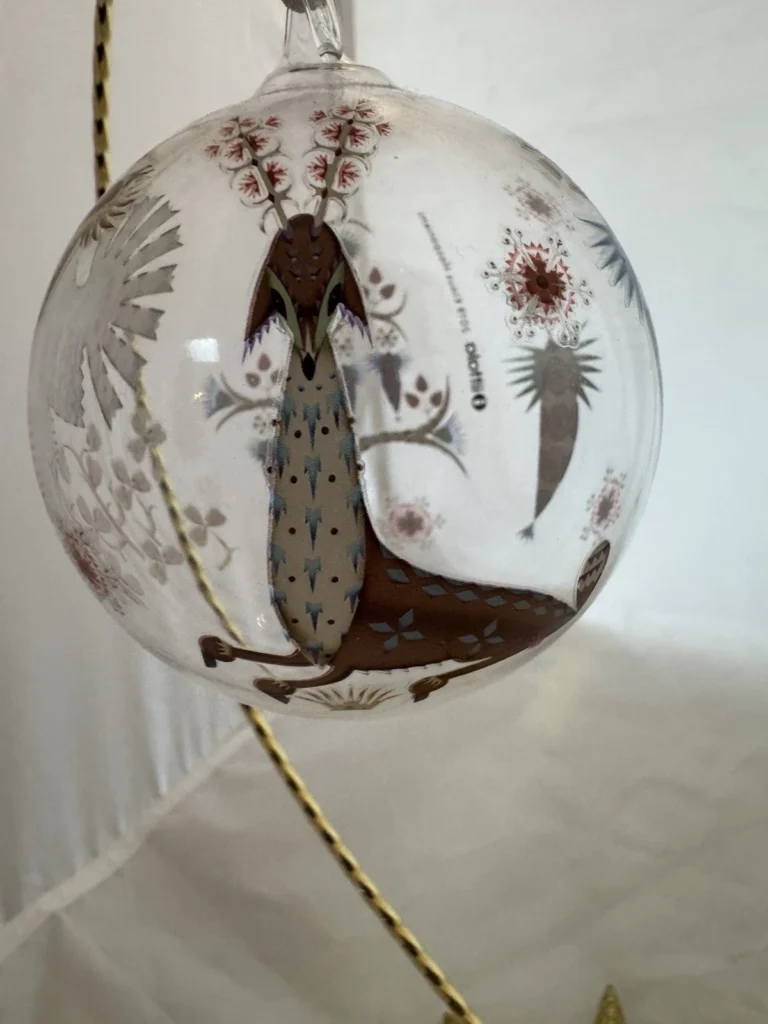
The Magic of Iittala Glass: Exploring the Enchanted World of Designer Klaus Haapaniemi

Iittala Taika Klaus Haapaniemi Glass: A Magical Journey Into Finnish Art Glass

The world of Iittala Taika Klaus Haapaniemi glass is one where imagination, craftsmanship, and Nordic folklore come together to create some of the most enchanting art glass of the modern era. While Iittala has long been respected for its clean Scandinavian lines and functional modernist design, the Taika collection introduces an entirely different visual story—one filled with mythical creatures, rich colors, and whimsical illustration.

In this post, we explore the history of Iittala glass, the artistry of Klaus Haapaniemi, and why the Iittala Taika Klaus Haapaniemi glass collection has become a favorite among collectors around the world.


The Legacy of Iittala: A Foundation for Taika Magic

Founded in 1881, Iittala has shaped the global identity of Finnish glassmaking. Known for high-quality craftsmanship and iconic modernist designs, Iittala has always valued creativity and innovation.
Learn more about Iittala’s heritage here:
https://www.iittala.com

From the legendary Aalto vase to seasonal ornaments and tableware, Iittala glass blends durability, artistry, and function. This legacy of excellence laid the foundation for the arrival of designer Klaus Haapaniemi, whose imagination expanded Iittala’s world into something beautifully unexpected.


Who Is Klaus Haapaniemi? The Artist Behind Taika

Klaus Haapaniemi is one of Finland’s most celebrated contemporary artists. His work draws heavily from folklore, nature, mythical storytelling, and decorative traditions from around the world. His official site offers a deeper look into his artistic universe:
https://www.klaush.com

When Haapaniemi partnered with Iittala, the result was the Taika (“magic”) collection—a dramatic departure from minimalism and a bold embrace of narrative design.


What Makes Iittala Taika Klaus Haapaniemi Glass So Special?

A New Chapter in Scandinavian Design

The Taika line blends richly detailed illustrations with high-quality Finnish glass. This creates an aesthetic that is both maximalist and deeply rooted in Nordic tradition.

Folklore in Every Detail

Owls, foxes, enchanted birds, and swirling patterns decorate the surface of Taika pieces, transforming each object into a miniature fairytale.

Exceptional Craftsmanship

The glass ornaments are beautifully formed with clarity and weight, allowing Haapaniemi’s artwork to shine from every angle.

Collector Appeal

The combination of artist prestige, cultural significance, and limited seasonal releases has made Iittala Taika Klaus Haapaniemi glass highly desirable for collectors.

You can shop my curated collection of Scandinavian and art glass pieces here (internal link):
https://artandbeautifulthings.com/shop
Or view the Taika glass ornament currently listed:
https://artandbeautifulthings.com/product/iittala-taika-klaus-haapaniemi-glass-ball-ornament/


How to Style and Display Iittala Taika Klaus Haapaniemi Glass

Because these designs are expressive and vibrant, they pair beautifully with:

  • Scandinavian minimal interiors

  • Holiday displays

  • Modern art collections

  • Fairy-tale-themed décor

  • Seasonal arrangements with birch branches or candlelight

The ornaments can be hung, displayed on stands, or showcased year-round as art pieces.


Why Collectors Seek Out Taika Glass

Collectors appreciate:

  • The artistic storytelling

  • The connection to Finnish folklore

  • The unique colorways and patterns

  • High-quality glass production

  • Pieces that grow in value as designs retire

Haapaniemi’s work represents a new chapter in Iittala’s legacy—one that blends tradition with imagination.


Conclusion: The Enduring Magic of Iittala Taika Klaus Haapaniemi Glass

The Iittala Taika Klaus Haapaniemi glass collection stands as one of the most enchanting collaborations in modern Scandinavian design. It brings together the timeless craftsmanship of Iittala with the whimsical artistry of Klaus Haapaniemi, offering collectors pieces that feel both culturally meaningful and artistically extraordinary.

Whether displayed during the holidays or enjoyed all year long, these glass ornaments capture the spirit of Finnish creativity—magical, expressive, and endlessly collectible.

Blog Post, Resources, Uncategorized

Kosta Boda: A Legacy of Swedish Art Glass and Modern Mastery

When collectors think of Swedish art glass, one name consistently emerges at the forefront: Kosta Boda. Established in 1742 in the province of Småland, Kosta is one of the oldest glassworks in Sweden and has become synonymous with innovation, artistry, and enduring craftsmanship. Over centuries, Kosta evolved from a humble glassworks into a center for artistic experimentation, nurturing some of the most iconic glass artists of the 20th and 21st centuries. Today, Kosta Boda represents the pinnacle of Swedish studio glass — a fusion of heritage, bold creativity, and technical mastery that appeals to collectors worldwide.

Vicke Lindstrand: The Pioneer of Mid-Century Swedish Glass

Among the artists whose work defines Kosta Boda’s international reputation, Vicke Lindstrand (1904–1983) stands as a pioneering figure. Lindstrand began his career as a decorative artist before joining Kosta Boda, where he would revolutionize modern Swedish glass. Known for his precision, sculptural vision, and experimental approach, Lindstrand was particularly fascinated with the interplay of light and form. His engraved, sculpted, and molded glass pieces combined geometric clarity with organic expression, resulting in works that are both visually striking and emotionally resonant.

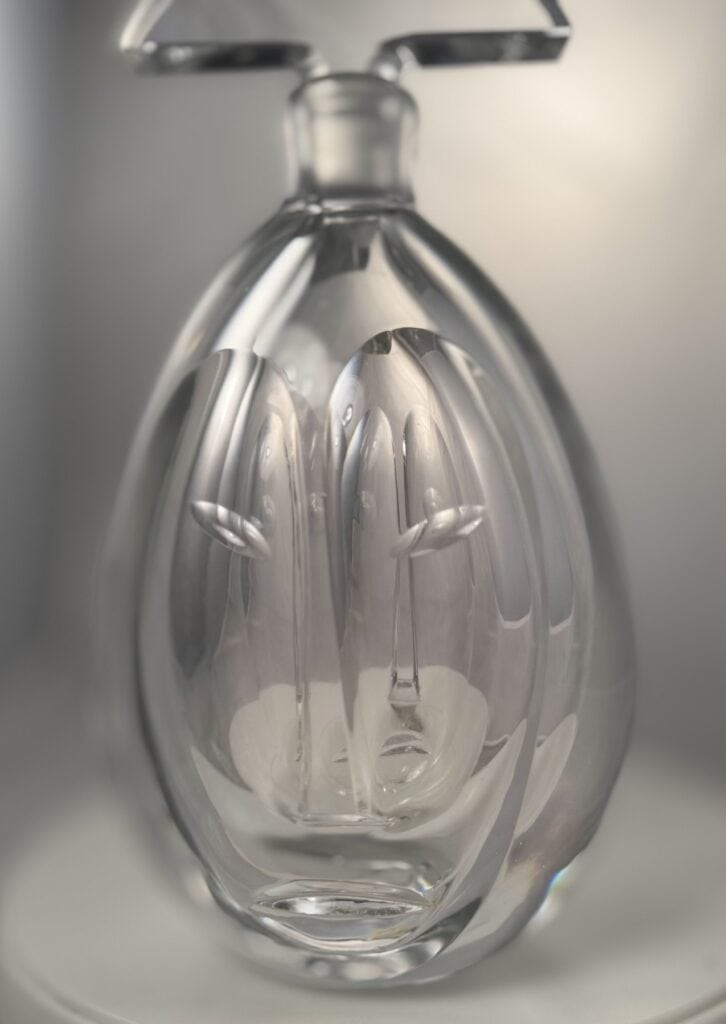
One of his hallmark creations, the engraved two-faced decanter, exemplifies his dual commitment to artistry and functionality. Each curve and etched line reflects his meticulous attention to detail, transforming ordinary glassware into a collectible work of art. Lindstrand’s influence at Kosta Boda extended beyond his own pieces: he helped define the company’s mid-century aesthetic, inspiring a generation of Swedish designers to explore bold forms, vibrant colors, and innovative techniques.

Anna Ehrner: Contemporary Minimalism Meets Expressive Form

Another luminary in the Kosta Boda universe is Anna Ehrner, whose contemporary designs are characterized by subtle elegance and emotional depth. Ehrner approaches glass as a medium for storytelling, often exploring the tension between transparency and color. Her sculptures and vessels reflect a modern sensibility while honoring the craftsmanship and technical precision that Kosta Boda embodies. Collectors of Ehrner’s work are drawn to her ability to transform molten glass into pieces that seem alive with energy, movement, and light.

Gun Lindblad: Painterly Influence in Glass

Gun Lindblad, a pioneering female glass artist at Kosta Boda, brought a painterly perspective to the medium. Her works often combine vibrant, layered colors with fluid forms, creating a sense of motion and spontaneity that contrasts beautifully with the disciplined craft of glassmaking. Lindblad’s pieces, whether abstract vases or sculptural figures, exemplify Kosta Boda’s commitment to innovation while maintaining the highest standards of technical excellence. For collectors, Lindblad’s work represents a bridge between fine art and functional glass — a visual feast that rewards close inspection from multiple angles.

Kjell Engman: Color, Playfulness, and Narrative in Glass

Kjell Engman is renowned for his exuberant and imaginative approach to glass. Engman’s creations are often narrative in nature, blending playful elements with masterful craftsmanship. His colorful sculptures, sometimes whimsical, sometimes dramatic, are instantly recognizable and celebrated internationally. Through his work, Engman demonstrates how Kosta Boda continues to honor its artistic heritage while embracing modern, daring experimentation. Each piece is a collectible treasure, reflecting both the artist’s ingenuity and the company’s ability to push the boundaries of what glass can achieve.

Göran Wärff: Precision, Elegance, and Technical Brilliance

Göran Wärff has long been a central figure in Kosta Boda’s narrative, blending precision engineering with artistic sensibility. Wärff’s work often emphasizes clarity, light reflection, and sculptural form. His creations range from abstract vessels to functional yet highly decorative glassware, consistently showcasing a refined, modernist aesthetic. Collectors prize Wärff’s pieces for their technical brilliance and timeless elegance, hallmarks of both the artist and the enduring Kosta Boda ethos.

Kosta Boda’s Legacy: Artistry Meets Collectibility

What sets Kosta Boda apart in the world of collectible glass is its unique balance between artistry and technical excellence. Each artist, from Lindstrand to Ehrner, Lindblad, Engman, and Wärff, benefits from a collaborative environment where experimentation is encouraged but precision is mandatory. The company provides access to state-of-the-art glassmaking facilities, experienced artisans, and centuries of accumulated knowledge — allowing artists to fully realize their creative visions.

For collectors, owning a piece of Kosta Boda glass is more than acquiring a decorative object. It is a connection to a lineage of innovation, artistry, and craftsmanship that spans nearly three centuries. Whether a Lindstrand engraved decanter, an Ehrner sculptural vessel, a Lindblad color-infused vase, an Engman narrative sculpture, or a Wärff minimalist masterpiece, each piece carries the dual signature of the artist and the historic company that made it possible.

The Collector’s Perspective

Kosta Boda glass appeals to collectors for many reasons. Its timeless design, vibrant colors, innovative techniques, and artistic provenance make each piece highly desirable. Limited editions and signed works further enhance collectibility, and the breadth of artists associated with the studio offers a diverse palette for serious collectors. Whether displayed individually or curated in a collection, Kosta Boda glass commands attention and admiration.

Collectors often seek pieces not only for their aesthetic value but also for their historical significance — a tangible connection to the evolution of Scandinavian art glass and mid-century modern design. Pieces by Vicke Lindstrand and his successors serve as enduring exemplars of this tradition, providing both beauty and a story that enriches any collection.

Conclusion

Kosta Boda remains a beacon of Swedish glass artistry, bridging centuries of tradition with modern innovation. Artists like Vicke Lindstrand, Anna Ehrner, Gun Lindblad, Kjell Engman, and Göran Wärff exemplify the studio’s dedication to creativity, technical mastery, and expressive design. For collectors, each piece is more than glass; it is a conversation between artist, company, and history, a celebration of color, form, and the human imagination. Collecting Kosta Boda is a journey into the heart of Scandinavian art glass — a legacy that continues to inspire, captivate, and delight.

landscape painting
Blog Post, Feature Resource, Products, Resources, Uncategorized

Loetz Glass: The Legacy of Bohemian Art Glass and Michael Powolny

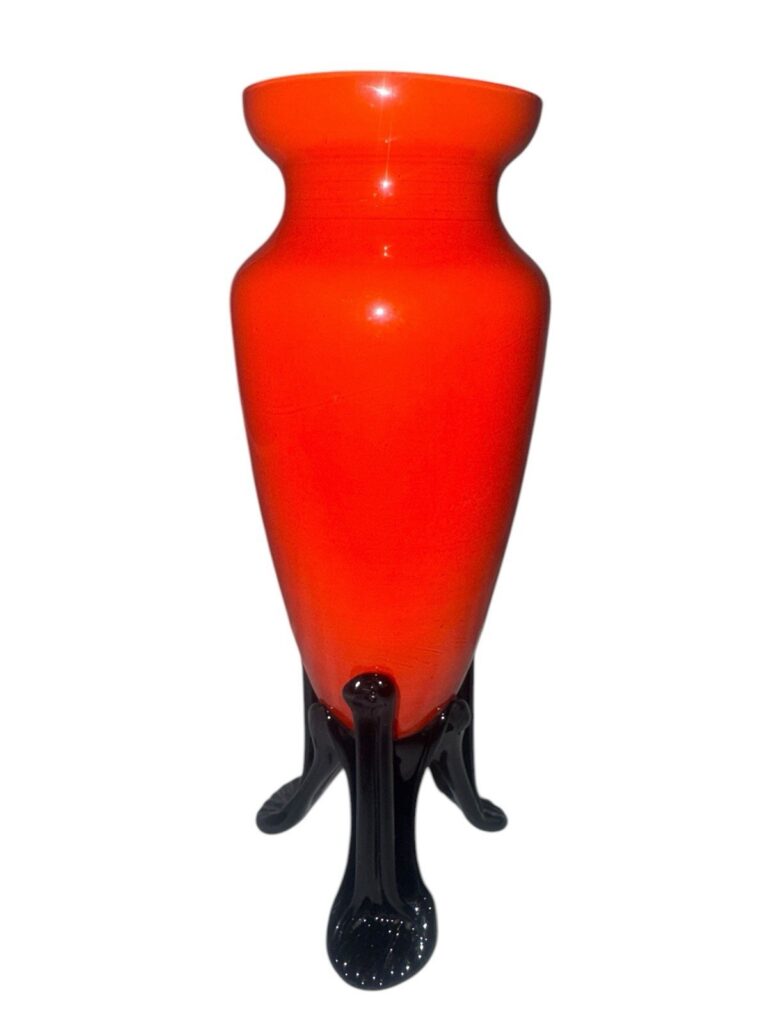
or collectors and enthusiasts of European art glass, Loetz represents one of the pinnacles of innovation, elegance, and artistic expression. Founded in the late 19th century in Bohemia, now part of the Czech Republic, Loetz glassworks quickly became synonymous with pioneering techniques, colorful iridescence, and sophisticated design. Over the decades, Loetz collaborated with some of the most talented artists of the period, including the influential Michael Powolny, whose contributions helped shape both functional and decorative glass in the early 20th century.

Loetz’s prominence grew alongside the rise of the Art Nouveau movement, which emphasized organic forms, flowing lines, and natural motifs. The company became renowned for its iridescent glass, including the famous Papillon, Phänomen, and Prismen series, each displaying a mastery of color, texture, and light that captivated collectors across Europe and beyond. Loetz glass is celebrated not only for its visual beauty but also for the technical innovations it introduced, such as thin-walled glass, acid etching, and complex iridescent finishes.


Michael Powolny: Sculptor, Designer, and Visionary

Michael Powolny (1871–1954), an Austrian sculptor and designer, played a crucial role in elevating functional art during the early 20th century. While primarily recognized for his ceramic and sculptural work, Powolny also collaborated with European glass manufacturers, including Loetz, to create exquisite decorative pieces. His designs often blended sculptural form with practical function, reflecting the philosophy that art should be integrated into daily life.

At Loetz, Powolny contributed designs that emphasized geometric precision, flowing organic motifs, and refined surface decoration. His pieces demonstrate a balance between artistry and technical mastery, characteristics that collectors prize highly today. Powolny’s influence extended beyond individual objects; his approach encouraged other designers at Loetz to experiment with form, color, and texture, contributing to the company’s reputation as a center for avant-garde glass innovation.


Loetz Glass Techniques and Collectibility

Loetz glass is renowned for several innovative techniques, many of which contributed to its collectible status among enthusiasts of Art Nouveau, Jugendstil, and early Modernist glass. These techniques include:

  • Iridescence: Loetz perfected a method for producing shimmering, color-shifting surfaces, often with subtle metallic reflections, creating dynamic visual effects in every piece.

  • Pulled Feather and Pulled Thread Patterns: These delicate techniques required precise control of molten glass, resulting in intricate linear or feathered motifs across vases and bowls.

  • Etched and Molded Forms: Loetz combined mold-blown shapes with acid etching or engraved decoration, producing pieces with depth, texture, and artistic sophistication.

Collectors are drawn to Loetz glass for its historical significance, technical innovation, and artistic beauty. Early 20th-century pieces, particularly those designed or influenced by Powolny and his contemporaries, are especially sought after, often commanding premium prices at auctions and in galleries. Each piece embodies both the skill of the glassmaker and the artistic vision of the designer, creating objects that are functional, decorative, and historically significant.


Iconic Artists and Series

While Michael Powolny played a pivotal role, Loetz also collaborated with or inspired other notable designers and artists, further cementing its place in the history of European glass. Key series such as Papillon, Phänomen, and Prismen reflect the company’s experimentation with color, iridescence, and naturalistic motifs, while artists like Adolf Loos, Josef Hoffmann, and others contributed to its aesthetic legacy.

The Papillon series, known for its butterfly-like patterns and shimmering surfaces, exemplifies the union of technical mastery and artistic vision. Similarly, Prismen vases, with their prism-like optical effects, demonstrate Loetz’s commitment to experimentation and innovation. Collectors value these pieces not only for their beauty but also for their connection to a historic artistic movement, making them highly desirable additions to any serious art glass collection.


Loetz Glass in Modern Collecting

Today, Loetz glass remains highly collectible and continues to inspire contemporary collectors. Its works are frequently featured in museum collections, high-end galleries, and private collections, celebrated for their timeless elegance, technical sophistication, and artistic merit. Collectors appreciate the range of forms, colors, and finishes, from subtle iridescent bowls to bold sculptural vases, each representing the mastery of early 20th-century Bohemian glassmaking.

Owning a Loetz piece — particularly one associated with Michael Powolny — is more than acquiring a decorative object. It is a connection to European art history, technical innovation, and the visionary designers who shaped modern glass. Collectors value these objects not only for their aesthetic qualities but also for their historical provenance, rarity, and the way they embody the artistic spirit of a bygone era.


Conclusion

Loetz glass stands as a testament to the brilliance of Bohemian artistry, technical innovation, and visionary design. Artists like Michael Powolny helped define the studio’s unique style, blending functionality with sculptural beauty and establishing Loetz as a central figure in the European art glass movement. Today, collectors treasure these pieces for their iridescent colors, innovative techniques, and historical significance, making Loetz a cornerstone of mid-century and Art Nouveau glass collecting.

Whether admired for Powolny’s sculptural designs, Loetz’s iconic series, or the technical mastery embedded in each piece, Loetz glass remains a timeless symbol of elegance, creativity, and collectible artistry, bridging centuries of European craft and modern design.


Resources, Uncategorized

Bitossi Ceramics: A Century in Clay and Colour

In a quiet corner of Tuscany, just outside Florence, lies Montelupo Fiorentino—a name that to many sounds like a whisper of antiquity, a place where clay, water, and flame have shaped objects for centuries. It was here in 1921 that Guido Bitossi founded Maioliche Artistiche Guido Bitossi, marking not only the birth of a company name, but igniting a story about the meeting of tradition, experimentation, artistic vision, and the transformative possibilities of ceramics.


Roots, Clay, and Early Days

Although the Bitossi family’s connection to ceramics goes back much further—to artisans, painters, kiln hands in Montelupo whose work stems from Renaissance traditions— the establishment of the Bitossi firm in 1921 signified a critical step: moving from generational craft toward creating a distinct, design‑oriented brand.

From its outset, the firm balanced respect for classic forms and styles—ma­iolica glazes, decorative motifs—with the promise of refinement and detail. These were not rough home wares: early Bitossi works were attentive to aesthetics, finish, and design, in line with the high ceramic tradition of Tuscany.

The Aldo Londi Revolution

If Bitossi’s early years laid the tracks, it was Aldo Londi, stepping in as artistic director in 1946, who drove the train into new territory. Londi’s leadership unlocked a creative blossoming: experimenting with form, glaze, colour, motifs, and collaborating with designers and artists. Under Londi, Bitossi did not simply produce—but posed questions: What can glaze become? How bold can a colour be? How playful can form?

One of his signature lines—Rimini Blu—launched in 1959, remains iconic. The series combined richly textured glazes, deep blues, greens, turquoises, along with engraved or impressed decorative motifs. The pieces—vases, tableware, decorative objects—showed both elegance and vitality, blending handcraft with design innovation. 

During this era, Bitossi also forged artistic collaborations that carried weight: for example, working with Ettore Sottsass in the 1950s. Such partnerships allowed the company’s ceramics to engage with modern design discourses, as much as functional craft.

Heritage and Innovation: The Present and the Museum

Fast forward to the 21st century: Bitossi is now under the stewardship of Ginevra Bocini Bitossi—fourth generation of the family. The company remains rooted in its Tuscan factories, still making its wares in Montelupo Fiorentino, still embracing handwork, artisanal care, glaze experiments, pattern, texture, and artistic collaboration.

In 2021, Bitossi opened the Bitossi Archive Museum (sometimes called the industrial archive or corporate museum), turning its old production spaces into a living repository of the company’s past and a laboratory for design exploration. Over 7,000 pieces spanning from prototype forms, plaster moulds, ceramics, photographs, drawings, tools, are arranged not just to preserved memory, but to tell the story: where designs came from, how glazes evolved, which collaborations were turning‑points.

The museum also connects to the Centre of Ceramics Experimentation, an educational initiative promoted by the Vittoriano Bitossi Foundation, the Municipality of Montelupo Fiorentino, and other regional partners. It’s about passing on know-how: the manual skills, the design thinking, shaping new talent in artisan and advanced ceramics. 

Style, Design, and Collectible Appeal

There’s something magnetic about Bitossi pieces. The interplay of colour, often saturated or layered; the influence of mid‑century modernism; bold textures; inventive shapes; occasional whimsy (animal figures, playful silhouettes). Collectors prize certain ranges, especially older Rimini Blu items from the 1950s‑70s, for their depth of glaze, rich colour variation, and the hand‑engraved details that speak of human touch.

Bitossi has never rested on its past. Besides reissues of classic works, it collaborates with contemporary designers—Patricia Urquiola, Nathalie Du Pasquier, Faye Toogood, among others—to bring fresh perspectives. These projects allow Bitossi mastery of material to interact with new formal languages.

Another dimension of appeal comes from authenticity: surviving, well‑marked vintage pieces are rarer, and because so much work is handmade, there’s variation—each piece is slightly unique in form, glaze finish, even weight. Collectors enjoy the hunt: finding pieces with good glaze consistency, original markings, intact condition, provenance.


Challenges and Continuity

Still, longevity isn’t guaranteed. Bitossi’s story is as much about weathering change—economic, aesthetic, market shifts—as about celebrating victories. The ceramics world has become global; competition in design, mass‑production, imports, changing consumer tastes, environmental regulation, sourcing of good clay and pigments—all these are challenges. Yet Bitossi has leveraged its heritage as strength, its museum and archive not just as monuments, but as sources of inspiration. Its connection to the Colorobbia Group expands reach and technical capacity while preserving artisanal identity. 

The company’s participation in design fairs, international collaborations, and its capacity to reissue classic designs ensures relevance among younger collectors and design lovers. The museum and educational centre also help ensure that knowledge—of clay, glazes, firing techniques—is passed on rather than lost.

Why Bitossi Still Matters

What is it that gives Bitossi its enduring appeal? Several threads intertwine:

  • Authenticity: handcrafted, rooted in place and tradition, yet always asking “What next?”
  • Design courage: willingness to experiment with form, texture, colour—not safe or purely commercial.
  • Heritage as living fuel: archives, museums, education — not nostalgia but resources.
  • Collaborations: bringing in new designers keeps the language fresh.
  • Material excellence: the clay, the glazing, the firings are high calibre; the visible craftsmanship shows.

For people who love objects—not just for their function, but for what they say about place, time, craft—Bitossi is a touchstone. Its wares are not just decorative; they are carriers of history, of design evolution, of the tension between mass-world demands and hand‑made sensitivity.

Looking Ahead

At 100+, Bitossi has crossed many thresholds. But design, like clay, can always be reshaped. There is immense potential in exploration: new glaze chemistry (ecologically safer, sustainable colours), forms that respond to contemporary living, collaborations that push boundaries (digital, multimedia, sustainability). The educational arm and museum archive suggest that Bitossi is positioning itself not just as a brand, but as a custodian of ceramic knowledge—as well as a laboratory for future craft.

There is also the market dimension: vintage Bitossi has become collectible; but reissues, limited editions, special runs could help bridge past and future, bringing new audiences while satisfying collectors. The challenge will be to scale enough to remain viable, but small enough to preserve identity.

Epilog: Clay, Colour, Continuity

Walk through the fir‑wood shelves of the Bitossi Archive Museum, and you see more than vases. You see forms that carry mortality and renewal: cracked glazes that survived multiple firings, sketches that never made it to kiln, animal figures, bold colour plays, gentle pastels. Every object tells of the human hand, of the kiln’s unpredictability, of the meeting of artisan and designer.

Bitossi is more than ceramics. It’s a story about how tradition and innovation need not be enemies; how being rooted in place (in clay, in Montelupo, in Tuscany) can empower global relevance; how aesthetic bravery—choosing strong colour, texture, even whimsy—resonates. In a world often leaning to uniformity, Bitossi reminds us there is beauty in character, in variation, in the flicker of glaze, the uneven line.

For lovers of design, collectors, ceramic‐makers, Bitossi offers a rare gift: a bridge between eras. And it seems poised to keep walking it.


Blog Post, Resources, Uncategorized

Luigi Mellara: Master of Contemporary Murano Glass

Murano glass has a long history of innovation and artistry, and among its celebrated artists is Luigi Mellara, whose work embodies both traditional techniques and contemporary vision. Mellara is recognized for his skillful manipulation of glass, creating pieces that are vibrant, expressive, and technically masterful.

The Artistry of Luigi Mellara

Luigi Mellara’s work stands out for its bold use of color, dynamic forms, and intricate layering techniques. He often combines traditional Murano methods, such as filigree (vetro a fili) and murrine, with his own innovative approach to shape and design, resulting in glassworks that are both visually striking and unmistakably modern.

Mellara’s pieces range from sculptural vases and bowls to decorative art objects, each showcasing his ability to balance technical precision with artistic creativity. Collectors admire his work not only for its aesthetic appeal but also for the way it reflects the living tradition of Murano glassmaking, carrying centuries of craftsmanship into a contemporary context.

Collecting Luigi Mellara

For collectors, Luigi Mellara’s glass is a compelling combination of beauty, innovation, and rarity. His works are often limited in number, making them highly sought after by enthusiasts who appreciate both artistry and investment potential. Owning a Mellara piece is a way to engage with the evolving story of Murano glass, celebrating an artist who bridges the historic and modern eras.

Whether displayed as a centerpiece in a home or added to a curated collection, Mellara’s work is a testament to the enduring power of Murano glass as both craft and art.


Blog Post, Resources, Uncategorized

Knoll Furniture and the Design Legacy of Bill Stephens

Knoll has long been celebrated for its modern, innovative, and timeless furniture designs, blending form and function in ways that have influenced offices, homes, and public spaces for decades. Among the designers who contributed to Knoll’s storied history, Bill Stephens stands out for his unique approach to craftsmanship, materials, and contemporary design.

Knoll: A Tradition of Modern Excellence

Founded in 1938, Knoll established itself as a pioneer in modern furniture design, collaborating with legendary designers to produce pieces that were both functional and aesthetically striking. From office environments to residential spaces, Knoll furniture embodies the philosophy that good design improves everyday life.

Bill Stephens: Designer Spotlight

Bill Stephens is recognized for his dedication to clean lines, practical elegance, and attention to detail. His designs for Knoll often focus on modular systems, ergonomic solutions, and high-quality materials, resulting in furniture that is both visually appealing and enduringly functional.

Stephens’ work captures the balance between simplicity and sophistication, making his pieces highly sought after by collectors and enthusiasts of modern design. His contributions to Knoll are a testament to the company’s commitment to innovation, craftsmanship, and thoughtful design.

Collecting Knoll Furniture

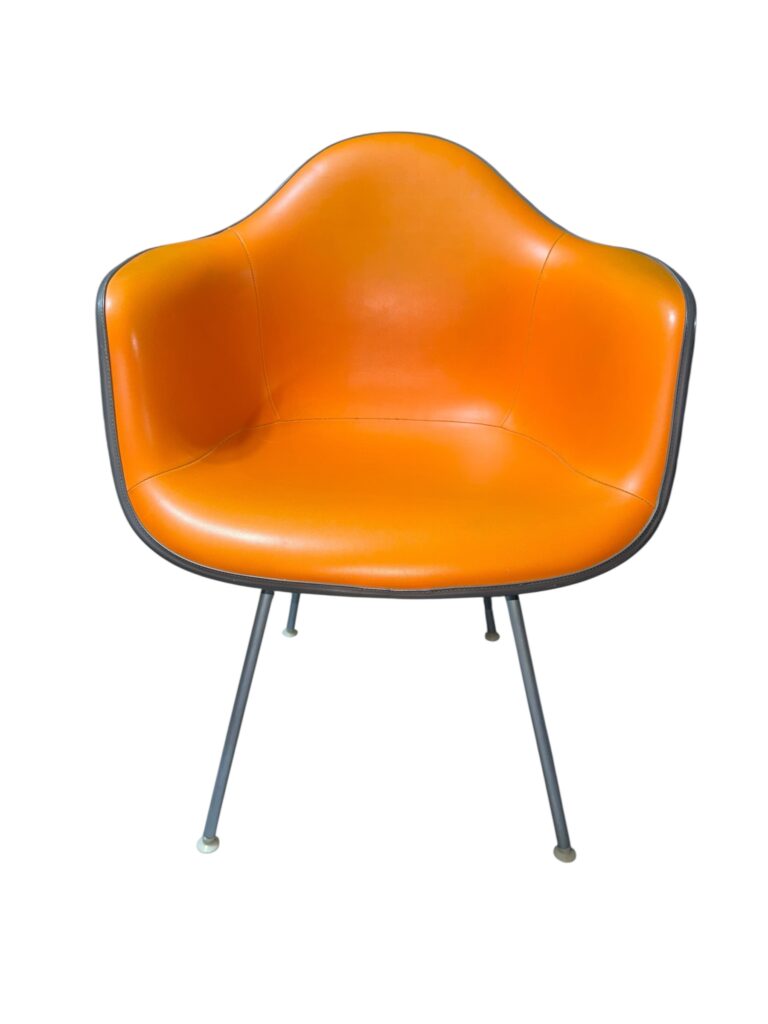
Knoll furniture by Bill Stephens represents a fusion of modernist principles and timeless appeal. Whether it’s a modular office system, a sleek chair, or a minimalist table, these pieces offer practical beauty and enduring value. For collectors, owning Stephens-designed Knoll furniture is a way to connect with the history of modern design while enjoying pieces that remain functional and stylish today.

Each piece tells a story of precision, artistry, and the evolution of contemporary furniture, reflecting the broader legacy of Knoll as a design leader in the 20th and 21st centuries.