Baccarat Glass, Feature Resource, Uncategorized

How to Start Collecting Vintage: A Guide for the Curious

So, you’re curious about vintage and wondering where to start.

The good news? You don’t need a degree in art history, a six-figure budget, or permission from anyone. All you need is a spark—a feeling that beautiful things matter—and the desire to learn as you go.

Here’s how to begin.

Start with What You Love

The most important rule in collecting?

Follow your heart.

Forget the trends. If you’re drawn to handblown glass, begin there. If a weathered tin or tiny figurine speaks to you, listen.

When I was young, I’d fall in love with objects no one else noticed—an old button, a carved bead, a scrap of fabric from another century. I didn’t realize it then, but I was already collecting.

Your collection begins the moment something makes you look twice.

Learn to Look

Train your eyes. The more you handle vintage pieces, the more your intuition sharpens.

When examining a piece, take a moment:

  • Turn it over
  • Check the base and seams
  • Feel the weight
  • Look for any markings or signatures

A few helpful clues to look for:

  • Maker’s marks – stamped, etched, or signed
  • Signs of age – wear, patina, faded labels
  • Craftsmanship – hand-painted details, balanced weight, handmade textures

Every object has a language—you just have to get close enough to hear it.

Do a Little Research

You don’t need to know everything right away.

Google is your friend. So are estate sale hosts, antique dealers, library books, and fellow collectors. The more you learn about a piece’s origin or maker, the more connected you’ll feel to it.

Even if something is unsigned or mysterious, the search is part of the joy. That path of discovery is often where your passion takes root.

Don’t Fear the Imperfect

A small chip. A worn edge. A bit of tarnish.

These aren’t flaws—they’re the fingerprints of history.

Perfection is overrated. In vintage collecting, it’s often the patina—the wear from use, the softness from time—that gives a piece its soul.

Choose character over polish. That’s where the stories live.

Buy from the Heart

Yes, some pieces are valuable. Others aren’t.
But the best collectors understand this truth:

Value comes from connection.

If something moves you, it matters. If you’re unsure, take your time. But if you fall in love?

Trust that.

Ready to Begin?

Your collection is a portrait of your eye, your spirit, your story.

  • Start small
  • Stay curious
  • Let the objects you find (or that find you) lead the way

Explore our curated collections

Read more stories behind the pieces

And remember: your version of beauty is more than enough.


Blog Post, Resources, Uncategorized

What Makes Something Art? A Collector’s Philosophy of Beauty

By Mona, Founder of Art & Beautiful Things


What exactly makes something “art”?

Is it a signature in the corner of a canvas? A gallery price tag? The approval of critics?


I don’t think so.


To me, art is any beautiful thing made with mastery, care, and intention. It might be a Murano glass vase that dances with the sunlight, or a weathered spelter statue whose mystery is part of its magic. Sometimes, it’s a vintage key that feels like it still holds a story.


I’ve been collecting beautiful things for most of my life. My parents, both educators, taught me to value history, travel, and cultural craftsmanship. Over time, I realized that beauty isn’t limited to what hangs in museums. It lives in the details: the hand-thrown ceramic bowl, the antique button carved like a tiny sculpture, the perfume bottle designed like a jewel.


What they all have in common is the artist’s touch.

When a piece is shaped by human hands—when it carries the trace of care, vision, and skill—it transcends its function. That’s art to me.


I also believe beauty is emotional. Sometimes I find a piece and instantly feel connected to it. Not because it’s expensive or famous, but because it speaks. Maybe it reminds me of a place, a time, a loved one—or maybe it just stirs something unnamed. Art makes us pause. It makes us feel. That’s what gives it value.


As a collector and curator, I see myself as a temporary steward.

I hold onto these objects until they find their rightful owner—someone who sees the same beauty I saw. My joy comes from that moment of connection: when a piece goes home.


So if you’ve ever been drawn to something “unimportant,” something strange or unassuming, but full of soul—maybe you’re a collector too. Maybe you’re an artist in your own right, curating beauty for your life.


Explore. Feel. Surround yourself with what moves you.

That’s what art is, after all.

Baccarat Glass, Products, Resources

Baccarat Glass: A Legacy of Crystal Brilliance and Timeless Elegance

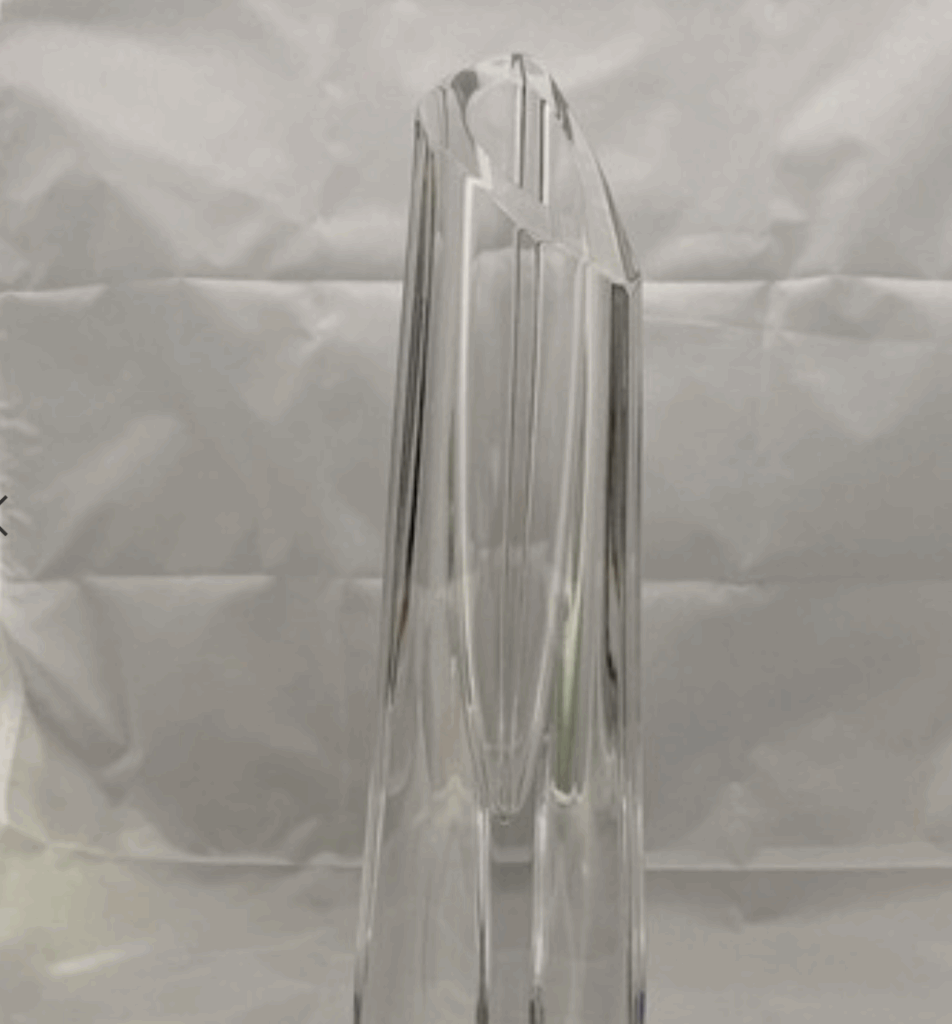
In the world of fine crystal, few names command as much reverence as Baccarat. For over two centuries, Baccarat has stood as a symbol of elegance, luxury, and unparalleled craftsmanship. From royal courts to modern-day collectors, Baccarat glass has been cherished not just as functional objects but as enduring works of art.

This blog post dives deep into the history of Baccarat glass, exploring its origins, its rise to international fame, and the reasons why it continues to captivate collectors, designers, and luxury enthusiasts today.


The Birth of Baccarat: Origins in Eastern France

The story of Baccarat begins in the quiet village of Baccarat, nestled in the Lorraine region of northeastern France. In 1764, King Louis XV granted permission to establish a glassworks factory in the region. The aim was to stimulate the local economy, particularly after years of war had left the area impoverished.

The factory was founded by Bishop Louis-Joseph de Montmorency-Laval, and originally produced window panes, mirrors, and stemware. It wasn’t until the early 19th century that Baccarat transitioned to producing the fine lead crystalit is now renowned for.

By 1816, Baccarat had installed its first crystal furnace, a pivotal moment that transformed the brand from a local operation into a future global icon. From there, Baccarat began perfecting the production of clear crystal, eventually experimenting with colored crystal, cut patterns, gilding, and engraving techniques that would define the brand’s luxurious style.

Rise to Fame: Royal Patronage and International Recognition

Baccarat’s reputation quickly grew during the 19th century, particularly when it began winning medals at major international exhibitions. One of the company’s turning points came at the Exposition des Produits de l’Industrie Française in 1823, where Baccarat received its first gold medal.

Soon after, royalty and aristocracy took notice.

  • King Louis XVIII, Tsar Nicholas II of Russia, Emperor Napoleon III, and the Maharajas of India became patrons.
  • Baccarat received numerous royal commissions, producing exquisite crystal sets for palaces and courts around the world.

By the mid-1800s, Baccarat had earned its reputation as the glassmaker of kings. The brand became synonymous with sophistication, its designs blending meticulous French craftsmanship with timeless aesthetics. The demand wasn’t just in Europe; Baccarat pieces were exported across Asia, the Middle East, and the Americas.


Artistry and Craftsmanship

What sets Baccarat apart from other glassmakers is its commitment to traditional artisanal methods. Each piece of Baccarat crystal is the result of extraordinary skill, often requiring years of training and decades of experience.

Some notable aspects of Baccarat’s craftsmanship include:

  • Hand-blowing: Skilled artisans shape molten crystal into elegant forms using only their breath, tools, and muscle memory.
  • Cutting and Engraving: Baccarat crystal is famed for its deep cuts and complex geometric patterns, often done by hand with diamond-tipped tools.
  • Color Infusion: While clear crystal is the signature look, Baccarat also developed mastery over colored crystal, producing vibrant reds, blues, greens, and golds.
  • Gilding and Etching: Many Baccarat items are decorated with delicate gold or platinum leaf, applied by hand.

Each object undergoes rigorous quality control, and only those that meet Baccarat’s exacting standards bear the brand’s signature.


Iconic Creations Through the Ages

Over the centuries, Baccarat has produced an astounding array of masterpieces. Some of the most iconic include:

  • The Harcourt Glass (1841): Perhaps Baccarat’s most famous stemware collection, originally commissioned by King Louis-Philippe. It features a hexagonal foot and a beveled bowl, combining functionality with imperial grandeur.
  • The Zenith Chandelier: A dazzling feat of design, the Zenith chandelier features layers of crystal drops, prisms, and arms, refracting light in every direction. Found in palaces, embassies, and five-star hotels, it epitomizes Baccarat’s opulence.
  • Crystal Animal Figurines: These whimsical yet precise creations became especially popular in the 20th century and showcased Baccarat’s versatility.
  • Perfume Bottles: Baccarat collaborated with top fragrance houses like Guerlain, Dior, and Chanel to produce luxurious crystal perfume bottles—many of which are collector’s items today.


Baccarat in the 20th and 21st Centuries

As tastes evolved in the 20th century, Baccarat embraced modern design movements, working with a new generation of artists and designers. It adapted its classic elegance to contemporary trends without sacrificing quality.

In the 1990s and 2000s, Baccarat expanded into boutiques and flagship stores around the globe. From Paris to Tokyo to New York, Baccarat became not only a producer of fine crystal but also a lifestyle brand. It began offering:

  • Crystal jewelry
  • Luxury tableware
  • Barware collections
  • Home décor

Collaborations with contemporary designers like Philippe Starck, Jaime Hayon, and Arik Levy pushed the boundaries of what crystal could be—melding traditional craftsmanship with bold, avant-garde vision.

In 2003, Baccarat even opened its own luxury hotel in Paris: Maison Baccarat, a glamorous space that doubles as a showroom for its most iconic collections.


Baccarat Today: A Symbol of Enduring Luxury

Today, Baccarat continues to symbolize prestige, refinement, and innovation. The company remains committed to its roots in Lorraine, France, where its original factory still operates and trains future generations of glass artisans.

As the brand moves into the future, it continues to celebrate its legacy with limited-edition collections, custom commissions, and collaborations with luxury houses. Baccarat glass is still gifted by heads of state, used in Michelin-starred restaurants, and displayed in museums and private collections.

Moreover, Baccarat pieces have become increasingly popular in auction houses, with some antique items fetching six-figure sums. These aren’t just luxury goods—they’re part of art history.

modern art
Blog Post, Resources

From Silver Screen to Studio: The Ceramic Art of Jean Marais

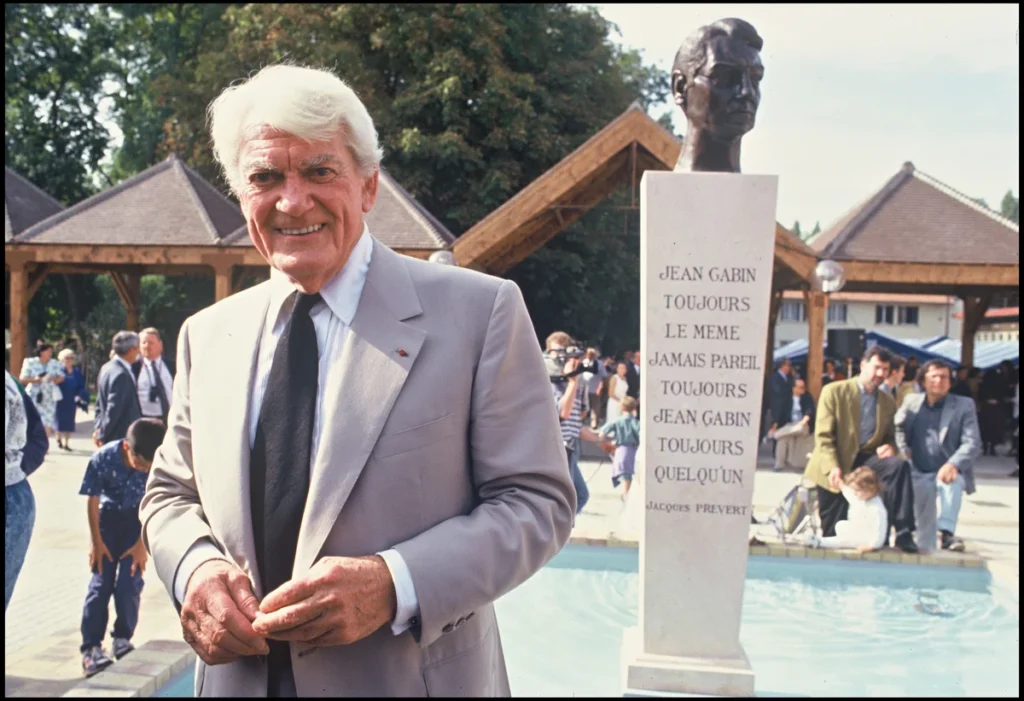
Jean Marais is celebrated worldwide as the dashing star of French cinema’s golden age. His roles in masterpieces like La Belle et la Bête and Orpheus cemented his status as an icon of poetic realism and cinematic fantasy. Yet, beyond the glare of the film set, Marais cultivated a profound and lifelong passion for another art form: pottery. His journey from acclaimed actor to dedicated artisan reveals a man driven by an insatiable need to create. This article explores the dual legacy of Jean Marais, charting his path from cinematic legend to a master of French ceramic art, whose expressive works continue to captivate collectors and art lovers today.

Key Takeaways

  • Dual Legacy: Jean Marais was not only a legendary French actor known for his roles in classic films but also a highly respected ceramic artist who established a second career in pottery.
  • Vallauris Connection: In the 1960s, Marais moved to Vallauris, a town in the South of France famous for its ceramics community (also associated with Picasso), where he established his own workshop and fully immersed himself in the craft.
  • Unique Artistic Style: Jean Marais’s pottery is characterized by its bold, sculptural forms, often featuring mythological motifs, expressive masks, and fantastical elements. His work blends his theatrical background with traditional craftsmanship.
  • Collector’s Focus: Authentic Jean Marais ceramics are highly sought after. Collectors prioritize pieces with clear provenance, his distinct signature, and good condition, valuing the unique, handcrafted nature of his work.
  • Enduring Influence: Marais’s artistic contributions are celebrated in exhibitions and museum collections, securing his legacy as a multi-talented artist who seamlessly bridged the worlds of performance and plastic arts.

The Cinematic Icon: A Foundation in Fantasy and Realism

Before he ever touched clay, Jean Marais captured the imagination of a generation. Born in 1913, he rose to fame in the 1940s and 1950s, becoming a leading man synonymous with French poetic realism. His collaboration with director Jean Cocteau produced some of cinema’s most enduring works.

In La Belle et la Bête (1946), Marais delivered a mesmerizing dual performance as the tortured Beast and the charming Prince, a role that showcased his physical grace and emotional depth. This was followed by another Cocteau masterpiece, Orpheus (1950), where Marais portrayed the titular poet on a surreal journey into the underworld. These films, celebrated for their dreamlike visuals and mythological underpinnings, established Marais as a figure capable of bridging reality and fantasy—a theme that would later emerge in his ceramic creations. His on-screen presence was dynamic and powerful, yet always imbued with a sense of vulnerability and artistic sensitivity.

A New Stage: The Transition to Ceramics

Despite his international fame, Marais felt a creative void that acting alone could not fill. He famously stated, “Cinema was never enough for me. I needed to create with my hands.” This innate drive led him to explore painting and sculpting, but it was in the tactile, grounding medium of clay that he found his most enduring artistic voice.

By the 1960s, Marais began to step back from the demanding world of filmmaking. He sought a more personal and direct form of expression, one that offered him complete creative control from conception to completion. Pottery provided this outlet. It was a discipline that required patience, physical strength, and an intimate connection with the material—a stark contrast to the collaborative and often fragmented process of making a film. This deliberate shift was not a retirement but a rebirth, marking his evolution from a celebrated performer to a dedicated artisan.

The Vallauris Years: An Artist Among Potters

To pursue his passion seriously, Marais relocated to Vallauris, a small village in the South of France with a rich history of pottery. By settling there in the 1970s, he joined a vibrant community that had, just a few decades earlier, been home to another artistic giant: Pablo Picasso. Picasso’s time in Vallauris had revitalized the town’s ceramic traditions, turning it into a global hub for modern ceramic art.

Marais established his own workshop in the town’s heart, embracing the lifestyle of a craftsman. He was not a celebrity dilettante but a committed member of the local artistic scene. He learned from local potters, experimented with regional clays and glazes, and dedicated himself to mastering the technical challenges of the craft. The environment was perfect for his artistic development, offering both the inspiration of a historic ceramic center and the camaraderie of fellow artists who shared his passion.

The Hallmarks of Jean Marais Pottery

Jean Marais’s ceramic work is as distinctive and expressive as his film performances. His style is bold, imaginative, and deeply personal, refusing to be confined by purely functional forms.

Sculptural Forms and Mythological Motifs

A significant portion of his output consists of sculptural pieces rather than traditional vessels. Drawing from the same well of inspiration as his cinematic roles, Marais frequently incorporated mythological and fantastical elements. His creations often feature stylized animals, mythological figures, and chimerical creatures. These forms are not merely decorative; they possess a narrative quality, as if capturing a character or a moment from an ancient tale.

The Power of Masks

Masks are one of the most recognizable motifs in Jean Marais’s ceramics. This fascination connects directly to his life as an actor—a profession centered on adopting different personas. His ceramic masks are highly expressive, ranging from serene and classical to grotesque and dramatic. They serve as a powerful bridge between his two artistic worlds, translating the ephemeral nature of performance into the permanent medium of fired clay.

A Master’s Touch with Glazes and Signatures

Marais had a playful and experimental approach to glazes. He used vibrant, often heavily textured glazes to enhance the sculptural qualities of his pieces. Drips, thick applications, and bold color contrasts are common, giving his work a raw, elemental energy.

Authenticity is key for collectors, and Marais’s signature is a crucial marker. He typically signed his work “Jean Marais” in a distinctive, flowing script, often incised into the clay before firing. Many pieces also bear the stamp of his Vallauris workshop, further confirming their origin.

The Theatrical Quality of Clay

There is an undeniable performative quality to Jean Marais’s pottery. Each piece feels imbued with a personality and a story. His busts and masks, in particular, seem to hold a dramatic presence, as if frozen mid-expression on a stage. This “theatrical touch” sets his work apart from more conventional studio pottery.

Unlike the subtle minimalism found in some mid-century ceramics, Marais’s creations demand attention. They are conversation pieces, imbued with the same larger-than-life energy that defined his screen presence. This fusion of sensibilities reflects an artist who saw no boundary between embodying a character for the camera and shaping one from clay. For Marais, all art was a form of storytelling.

Collecting Jean Marais Ceramics: What to Look For

Today, Jean Marais’s pottery is highly sought after by collectors of French ceramic art and mid-century design. When evaluating a piece, several factors are critical:

  • Authenticity and Signature: A clear, incised signature is the most important mark of authenticity. Prospective buyers should familiarize themselves with his typical signature style.
  • Provenance: A documented history of ownership, especially from the original purchase or a reputable gallery, significantly increases a piece’s value.
  • Condition: As with any ceramic work, condition is paramount. Collectors look for pieces free from cracks, major chips, or clumsy repairs, although minor firing imperfections are often part of the original character.
  • Subject and Form: Sculptural pieces, especially complex masks and large-scale mythological figures, are generally more coveted than simpler vessels or plates.

Exhibitions and Enduring Recognition

Jean Marais’s commitment to ceramics earned him significant recognition within the art world. His work was not a mere hobby but a serious artistic pursuit celebrated in numerous exhibitions across France and Europe during his lifetime and posthumously. Galleries in Paris, and especially in the South of France, continue to feature his creations.

His ceramics are held in private collections and have been acquired by museums, cementing his status as a key figure in the post-war French ceramic art movement. This formal recognition validates his transition from actor to artist, ensuring his legacy in clay is as respected as his legacy on film.

A Legacy Forged in Film and Fire

Jean Marais lived a life defined by creative expression. Whether captivating audiences from the silver screen or shaping clay with his own hands, he was driven by a singular passion for bringing beauty and imagination to life. His journey from cinematic icon to master potter reminds us that true artistry is boundless. It flows from one medium to another, seeking the right form to tell its story. The works he left behind—both in the fleeting light of the cinema and the enduring substance of fired earth—stand as a testament to a multifaceted and truly unforgettable artist.

Frequently Asked Questions (FAQs)

  1. Was Jean Marais a famous actor?
    Yes, Jean Marais was a major French film star, especially from the 1940s to the 1960s. He is best known for his leading roles in classic films directed by Jean Cocteau, such as Beauty and the Beast (La Belle et la Bête) and Orpheus.
  2. When did Jean Marais start making pottery?
    Jean Marais began to focus seriously on pottery in the 1960s as he started to move away from his intensive film career. He fully dedicated himself to the craft when he moved to Vallauris in the South of France in the 1970s.
  3. What is Jean Marais’s ceramic style?
    His style is very expressive and sculptural. He is known for creating pieces with mythological themes, fantastical creatures, and especially human faces and masks. His work often features bold shapes and textured, colorful glazes.
  4. Why is Vallauris important for ceramics?
    Vallauris is a town in the South of France with a long history of pottery making. Its fame grew internationally in the mid-20th century when Pablo Picasso lived and worked there, revitalizing its ceramics industry and attracting many other artists, including Jean Marais.
  5. How can I tell if a piece of pottery is by Jean Marais?
    Authentic pieces are typically signed by him. Look for an incised signature, “Jean Marais,” often etched into the clay on the bottom or back of the piece. Some items may also have a workshop stamp.
  6. Is Jean Marais pottery valuable?
    Yes, his ceramic works are highly collectible and can be valuable. The price depends on the piece’s size, complexity, condition, and provenance (its history of ownership). Unique sculptural works and masks are often the most sought-after.
  7. Where can I see Jean Marais’s ceramic art?
    His pottery is sometimes displayed in art galleries, especially in France, and featured in special exhibitions on mid-century French ceramic art. Pieces are also held in private collections and may appear in museum collections.
  8. Did Jean Marais make other types of art?
    Yes, in addition to acting and ceramics, Jean Marais was also a painter and a sculptor. However, he is most famous for his film work and his extensive body of work in pottery.


oil abstract art
Resources

Part 3: The Evolution of Murano Glass Over Time

Murano glass didn’t just evolve artistically—it adapted in response to global shifts, economic challenges, and technological advances. From its early days in Venice to the present, Murano’s glassmaking industry has faced both hardship and rebirth.
One of the most significant challenges came in the 18th and 19th centuries. Competition from other glassmaking regions, particularly from France and Bohemia, threatened Murano’s dominance. However, the industrial revolution brought about a revival, as new technologies and mass production methods breathed new life into the Murano glass industry. By the late 19th century, companies like Antonio Salviati introduced innovative designs that combined traditional techniques with modern sensibilities, reinvigorating interest in Murano glass.
After World War II, Murano glassmakers once again found themselves adapting. The war left factories damaged, and materials were scarce. Yet, in the post-war period, Murano glass experienced a renaissance. Renowned artists like Carlo Scarpa and Fulvio Bianconi brought fresh artistic visions, and the world once again began to recognize Murano glass as not just functional pieces, but works of art.
Today, Murano glass remains a symbol of artistry and innovation, continuing to evolve with the times. While the methods and techniques have changed, the spirit of craftsmanship and beauty that defined its origins in Venice continues to thrive in every piece.

Exploring the Masters of Murano Glass: Artists Who Shaped a Legacy

Murano glass is celebrated for its exquisite craftsmanship, and over the centuries, some extraordinary artists have elevated the art form to new heights. Let’s take a closer look at the lives and works of five influential Murano glass artists whose creative brilliance continues to inspire glassmakers today.

Carlo Scarpa: The Bridge Between Tradition and Modernity

Carlo Scarpa is widely regarded as one of the most important figures in Murano glass. Fusing traditional glassmaking techniques with modern design, Scarpa’s work was ahead of its time. His innovative approach to form, color, and texture created pieces that were both artistic and functional. Scarpa’s collaborations with glassmakers from Venini—one of the most prestigious Murano glass companies—brought his visionary designs to life, forever changing the way glass was viewed in the art world.

Alessandro Pianon: Revolutionizing Design with Bold Creativity

Alessandro Pianon’s work is a stunning example of the evolution of Murano glass artistry. Known for his bold experimentation with shapes and colors, Pianon pushed the boundaries of traditional glass design. His work integrated a minimalist approach while embracing the rich history of Murano. Pianon’s legacy is evident in the way modern glass artists continue to innovate, using his techniques to explore the boundaries of form and function.

Archimede Seguso: A Family Tradition of Excellence

The Seguso family has been synonymous with Murano glass for centuries, and Archimede Seguso’s contributions to the art form are legendary. Known for his vibrant, colorful pieces, Seguso revolutionized the use of glass in modern design. His work, often inspired by nature, combines intricate techniques with a deep understanding of the material’s possibilities. Today, Seguso’s pieces remain highly sought after by collectors around the world.

Venini: The Legacy of a Glassmaking Giant

Founded in 1921, the Venini company became one of the most influential names in the world of Murano glass. Venini’s collaborations with famous artists and designers, such as Paolo Venini and Vittorio Zecchin, established the company as a leader in glass artistry. The brand’s pieces, ranging from stunning chandeliers to striking vases, combine the best of traditional Murano techniques with groundbreaking designs. Venini’s influence on the global glass market cannot be overstated, and their work continues to shape the future of glass art.

Lino Tagliapietra: A Modern Master of Murano Glass

Lino Tagliapietra is one of the most revered contemporary glass artists from Murano. Known for his exceptional skill in traditional glassblowing techniques, Tagliapietra’s innovative designs have earned him worldwide recognition. His glass sculptures, often featuring bold colors and intricate patterns, blend the old with the new, creating a timeless aesthetic. Tagliapietra’s influence extends far beyond Murano, and his pieces are housed in galleries and collections around the world.

Conclusion: The Ongoing Legacy of Murano Glass Artistry

The work of these legendary artists continues to influence generations of glassmakers. From Carlo Scarpa’s innovative designs to Lino Tagliapietra’s contemporary masterpieces, the legacy of Murano glass remains alive and well. Whether you’re an art lover, collector, or simply someone who appreciates craftsmanship, the world of Murano glass offers a wealth of beauty to explore.

Venini: A Legacy of Innovation and Artistry in Murano Glass

Venini is more than just a name in Murano glass—it’s a symbol of innovation, craftsmanship, and artistic excellence that has shaped the course of glassmaking for over a century. From its founding in 1921 to its ongoing influence today, Venini continues to push the boundaries of what’s possible in the world of glass art. In this blog, we explore the rich history of Venini, its collaborations with renowned artists, and why the brand remains one of the most respected names in the art world.

The Origins of Venini: A Vision of Artistic Innovation

Venini was founded in 1921 by Paolo Venini, a Venetian aristocrat, and Giacomo Cappellin, an experienced glassblower. Their goal was to bring a fresh vision to the centuries-old tradition of Murano glassmaking. The company quickly distinguished itself by blending traditional techniques with modern aesthetics, creating pieces that were both functional and decorative.
Venini’s early success was thanks to its focus on collaboration, working with artists and designers from various fields to push the boundaries of glass design. The company became renowned not just for its craftsmanship, but for its ability to merge art with everyday objects, making glass an essential part of modern design.

Innovative Collaborations: Where Glass Meets Art

One of the reasons Venini has maintained its status as a leader in Murano glass is its commitment to working with famous artists, designers, and architects. Through collaborations with figures such as Vittorio Zecchin, Gio Ponti, and Carlo Scarpa, Venini’s pieces transcended traditional glass art and entered the realm of fine art.

Vittorio Zecchin, one of the most influential designers at Venini, is credited with bringing a refined, minimalist approach to Murano glass. His works, often inspired by nature and the Italian Renaissance, feature a perfect balance of form and color.
Gio Ponti, one of Italy’s most celebrated architects, collaborated with Venini to create stunning glass chandeliers, vases, and lamps. His iconic “Lume di Venezia” chandelier, designed for the Venice Biennale, remains one of the most recognizable pieces in the Venini collection.

Iconic Venini Pieces: A Fusion of Tradition and Modernity

Venini’s glass pieces are characterized by their exceptional quality and innovative designs. From stunning chandeliers and vases to sculptures and decorative objects, each piece is a testament to the brand’s dedication to excellence. Venini’s work often plays with color, texture, and shape, creating pieces that are as much a visual experience as they are functional objects.

One of the most famous techniques associated with Venini is murrine, the art of fusing glass rods to create intricate patterns. This technique was perfected by the company and remains a signature feature of many Venini pieces today.

Venini’s Global Influence: From Murano to the World

Though rooted in Murano, Venini’s influence stretches far beyond the island. The company’s pieces are displayed in prestigious museums and galleries around the world, including the Museum of Modern Art (MoMA) in New York and the Victoria and Albert Museum in London. Venini has truly achieved the rare feat of turning glassmaking into a respected fine art form, garnering international acclaim.
Today, Venini continues to produce some of the most exquisite glass art in the world, with contemporary artists and designers continuing to collaborate with the brand to create new masterpieces. Each piece carries with it the spirit of Murano and the legacy of those who have shaped its history.

Why Venini Remains Timeless

The enduring appeal of Venini lies in its ability to honor the traditions of Murano glassmaking while embracing innovation and modernity. With every piece, Venini manages to capture the essence of Italian artistry, creating works that are timeless and unique. Whether you are an art collector or a lover of fine design, Venini’s legacy is a testament to the beauty and craftsmanship that continues to define the world of Murano glass.
oil abstract art
Resources

Part 2: Key Artistic Movements in Murano Glass

Murano glass has a rich history, evolving alongside cultural shifts, changing tastes, and new technologies. Over the centuries, several artistic movements have shaped the glassmaking techniques and designs that continue to define Murano glass today.

One of the first milestones in Murano’s artistic revolution came in the 15th century with the introduction of cristallo, a clear, transparent glass that changed the world of Venetian glassmaking. Angelo Barovier’s invention of cristallo in the 1450s allowed artisans to create delicate, translucent pieces that were both functional and beautiful. This marked Murano glass as a luxury commodity prized by European royalty.

The Renaissance period further elevated Murano’s craft with intricate glass mosaics and decorative pieces that echoed the era’s artistic brilliance. During this time, Murano glassmakers began experimenting with a wider range of colors and techniques, such as gold leaf and glass-encrusted jewels, which added layers of opulence to their work.
As the centuries progressed, the Baroque, Rococo, and Art Nouveau movements left their mark on Murano glass. In the 19th century, figures like Antonio Salviati helped revive the craft with modernized designs that attracted a new generation of collectors and artists. Even in the 20th century, contemporary glassmakers, like the legendary Venini company, experimented with bold forms, patterns, and styles, creating the cutting-edge glasswork we know today.
oil abstract art
Resources

Part 1: The Origins of Murano Glass

Murano glass is a name synonymous with craftsmanship, beauty, and tradition. But how did this small Venetian island become the birthplace of the world’s finest glass? The story begins in Venice, where glassmaking was initially rooted, but it wasn’t until the late 13th century that Murano would take the reins.

Venice, with its labyrinth of narrow streets and wooden structures, was a fire hazard—particularly given the intense heat used in glassblowing. In 1291, the Venetian Republic made the bold decision to move its glassmaking industry to Murano. The reason? To protect Venice from the fire risks and, more critically, to guard the secrets of glassmaking, which were a closely held trade. Glassmakers were granted privileges but were prohibited from leaving Venice, ensuring that their techniques would remain protected.
Murano quickly became the world’s glass capital, as skilled artisans created masterpieces in a variety of styles. But this period was not without its struggles. Throughout history, Murano glassmakers faced competition, economic decline, and wars, but their resilience ensured that their craft would endure.
oil abstract art
Feature Resource, Resources

The Timeless Art of Murano Glass

Introduction

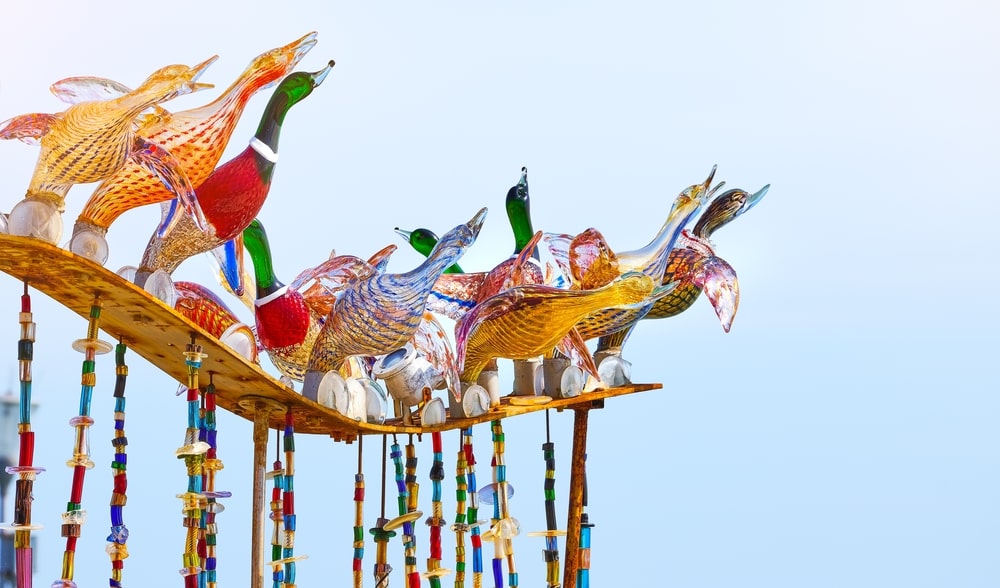
Murano Glass, the iconic product of the Venetian island of Murano, is a symbol of refined artistry and centuries-old craftsmanship. Renowned for its vivid colors, intricate designs, and timeless beauty, Murano Glass has captivated art collectors, designers, and enthusiasts for generations. This unique form of glassmaking is not just a craft but an expression of cultural heritage that has evolved through the centuries while retaining the traditions that make it truly special.

The History of Murano Glass

Murano Glassmaking dates back to the early Middle Ages, but its golden age began in the 13th century when the Venetian Republic recognized the importance of preserving the secrets of glassmaking. To protect the craft, the Venetian authorities moved all glassmakers to the island of Murano in 1291. Over time, the island became the heart of glass production, and Murano Glass earned its reputation as some of the finest glass in the world.

Over the centuries, Murano artisans honed their skills, developing unique techniques and designs. Today, Murano Glass is still made in the same traditions, passed down through generations of skilled artisans.

The Crafting Process

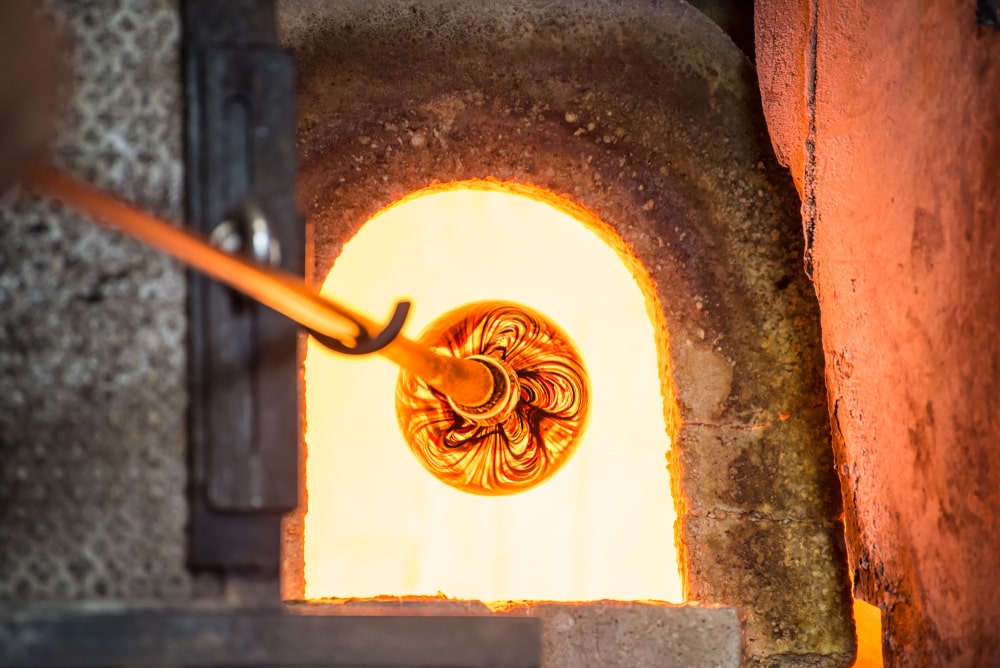
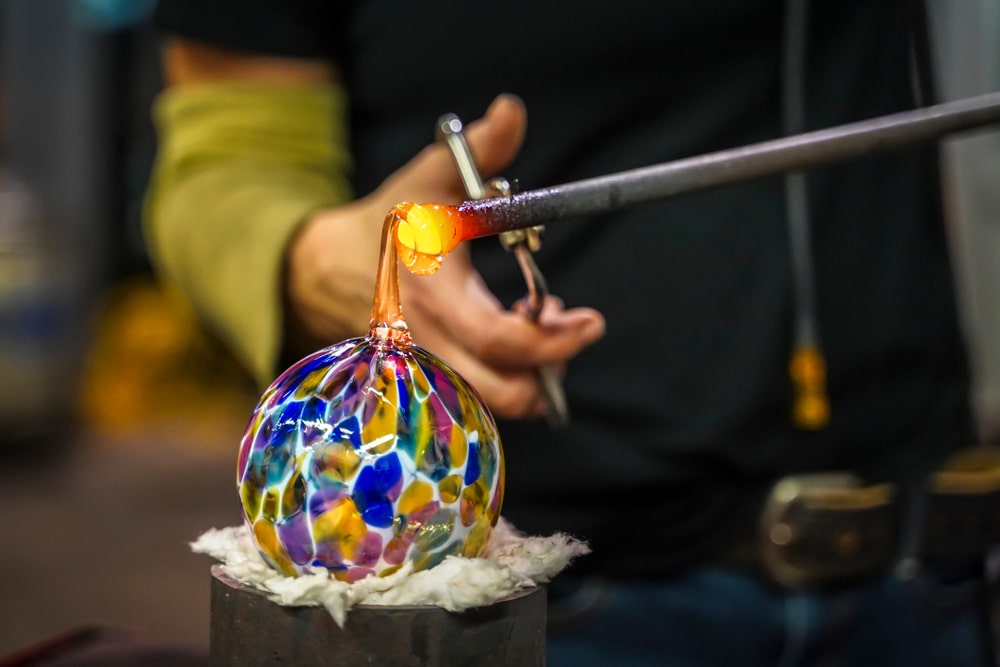
Creating Murano Glass is no simple feat. It requires mastery of multiple techniques and a deep understanding of materials. The process begins with the melting of silica, soda, and lime in a furnace, which is then manipulated into shape by skilled glassblowers. Murano artisans use specialized tools such as blowpipes, molds, and metal rods to shape the molten glass.

One of the most notable techniques is glassblowing, where artisans skillfully blow air into a blob of molten glass, creating intricate shapes, such as delicate chandeliers or ornate vases. Other techniques include lampworking, in which smaller pieces are carefully manipulated, and murrine, a method where rods of glass are sliced to reveal intricate patterns.

Types of Murano Glass

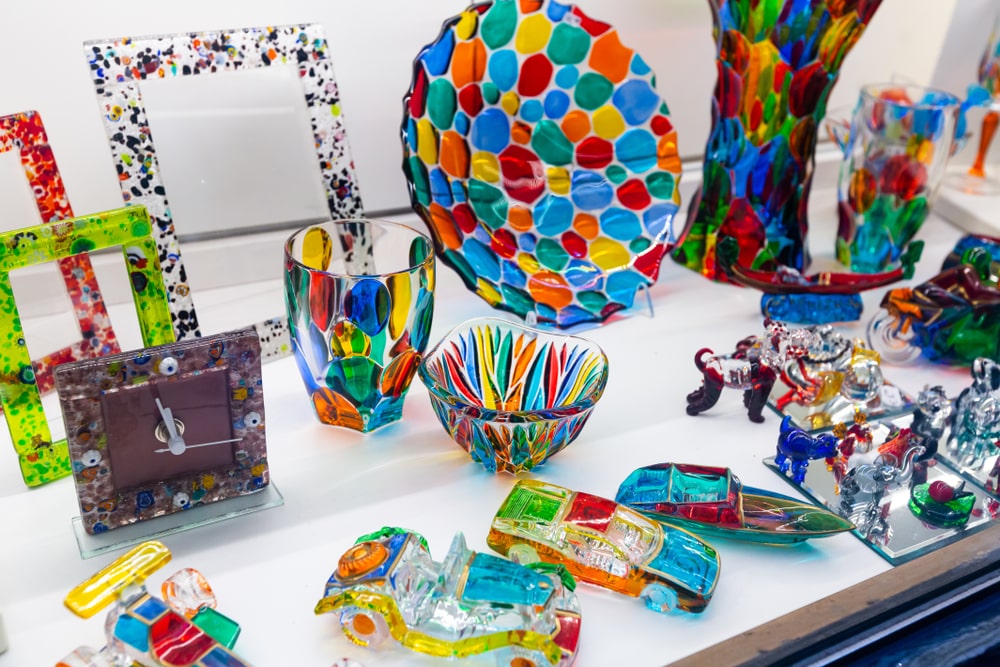
Murano Glass is known for its diverse range of styles and techniques. Some of the most famous types of Murano Glass include:

  • Millefiori: Translating to “a thousand flowers,” Millefiori involves creating intricate patterns by layering colored glass canes and then cutting them to reveal floral designs.
  • Sommerso: This technique involves layering different colors of glass to create depth, giving the glass a two-tone or multi-tone effect.
  • Gold-Flecked Glass: Incorporating gold leaf or gold powder into glass is a signature Murano technique, often used in the creation of luxurious objects like jewelry and fine vases.
These techniques, combined with vivid colors and innovative designs, make each Murano piece a unique work of art.

Murano Glass and its Influence on Modern Design

Murano Glass continues to influence interior design, fashion, and contemporary art. From luxurious chandeliers that illuminate palatial spaces to delicate glass jewelry, Murano’s influence is seen in the designs of the world’s leading designers. Modern designers and artists draw inspiration from traditional Murano techniques while incorporating contemporary styles to create pieces that speak to a new generation of art lovers.
Murano Glass also plays an important role in the design of everyday objects, like decorative bowls, plates, and sculptures, elevating ordinary items to artistic masterpieces.

Conclusion

Murano Glass is not merely a product—it’s a living testament to centuries of artistic excellence and a timeless symbol of Venetian culture. Whether in the form of a dazzling chandelier or a delicate sculpture, Murano Glass pieces capture the spirit of a tradition that continues to evolve while maintaining the integrity of its roots. For collectors, designers, and admirers of fine art, Murano Glass remains an unparalleled treasure that showcases the artistry and heritage of Venice for generations to come.