Blog Post, Resources, Uncategorized

Kosta Boda: A Legacy of Swedish Art Glass and Modern Mastery

When collectors think of Swedish art glass, one name consistently emerges at the forefront: Kosta Boda. Established in 1742 in the province of Småland, Kosta is one of the oldest glassworks in Sweden and has become synonymous with innovation, artistry, and enduring craftsmanship. Over centuries, Kosta evolved from a humble glassworks into a center for artistic experimentation, nurturing some of the most iconic glass artists of the 20th and 21st centuries. Today, Kosta Boda represents the pinnacle of Swedish studio glass — a fusion of heritage, bold creativity, and technical mastery that appeals to collectors worldwide.

Vicke Lindstrand: The Pioneer of Mid-Century Swedish Glass

Among the artists whose work defines Kosta Boda’s international reputation, Vicke Lindstrand (1904–1983) stands as a pioneering figure. Lindstrand began his career as a decorative artist before joining Kosta Boda, where he would revolutionize modern Swedish glass. Known for his precision, sculptural vision, and experimental approach, Lindstrand was particularly fascinated with the interplay of light and form. His engraved, sculpted, and molded glass pieces combined geometric clarity with organic expression, resulting in works that are both visually striking and emotionally resonant.

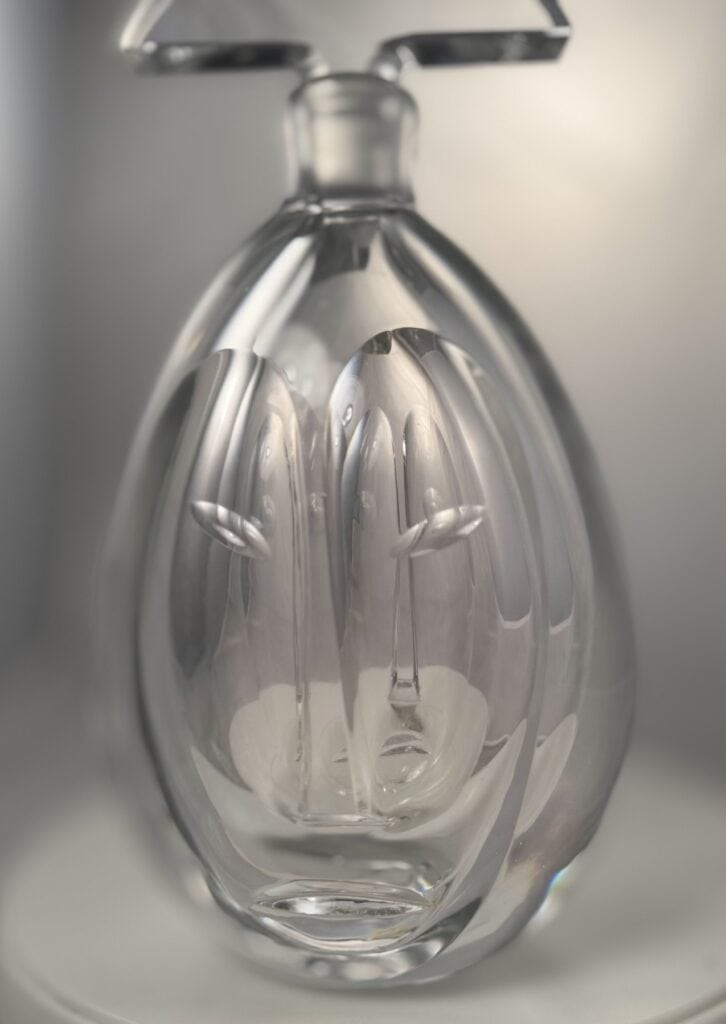
One of his hallmark creations, the engraved two-faced decanter, exemplifies his dual commitment to artistry and functionality. Each curve and etched line reflects his meticulous attention to detail, transforming ordinary glassware into a collectible work of art. Lindstrand’s influence at Kosta Boda extended beyond his own pieces: he helped define the company’s mid-century aesthetic, inspiring a generation of Swedish designers to explore bold forms, vibrant colors, and innovative techniques.

Anna Ehrner: Contemporary Minimalism Meets Expressive Form

Another luminary in the Kosta Boda universe is Anna Ehrner, whose contemporary designs are characterized by subtle elegance and emotional depth. Ehrner approaches glass as a medium for storytelling, often exploring the tension between transparency and color. Her sculptures and vessels reflect a modern sensibility while honoring the craftsmanship and technical precision that Kosta Boda embodies. Collectors of Ehrner’s work are drawn to her ability to transform molten glass into pieces that seem alive with energy, movement, and light.

Gun Lindblad: Painterly Influence in Glass

Gun Lindblad, a pioneering female glass artist at Kosta Boda, brought a painterly perspective to the medium. Her works often combine vibrant, layered colors with fluid forms, creating a sense of motion and spontaneity that contrasts beautifully with the disciplined craft of glassmaking. Lindblad’s pieces, whether abstract vases or sculptural figures, exemplify Kosta Boda’s commitment to innovation while maintaining the highest standards of technical excellence. For collectors, Lindblad’s work represents a bridge between fine art and functional glass — a visual feast that rewards close inspection from multiple angles.

Kjell Engman: Color, Playfulness, and Narrative in Glass

Kjell Engman is renowned for his exuberant and imaginative approach to glass. Engman’s creations are often narrative in nature, blending playful elements with masterful craftsmanship. His colorful sculptures, sometimes whimsical, sometimes dramatic, are instantly recognizable and celebrated internationally. Through his work, Engman demonstrates how Kosta Boda continues to honor its artistic heritage while embracing modern, daring experimentation. Each piece is a collectible treasure, reflecting both the artist’s ingenuity and the company’s ability to push the boundaries of what glass can achieve.

Göran Wärff: Precision, Elegance, and Technical Brilliance

Göran Wärff has long been a central figure in Kosta Boda’s narrative, blending precision engineering with artistic sensibility. Wärff’s work often emphasizes clarity, light reflection, and sculptural form. His creations range from abstract vessels to functional yet highly decorative glassware, consistently showcasing a refined, modernist aesthetic. Collectors prize Wärff’s pieces for their technical brilliance and timeless elegance, hallmarks of both the artist and the enduring Kosta Boda ethos.

Kosta Boda’s Legacy: Artistry Meets Collectibility

What sets Kosta Boda apart in the world of collectible glass is its unique balance between artistry and technical excellence. Each artist, from Lindstrand to Ehrner, Lindblad, Engman, and Wärff, benefits from a collaborative environment where experimentation is encouraged but precision is mandatory. The company provides access to state-of-the-art glassmaking facilities, experienced artisans, and centuries of accumulated knowledge — allowing artists to fully realize their creative visions.

For collectors, owning a piece of Kosta Boda glass is more than acquiring a decorative object. It is a connection to a lineage of innovation, artistry, and craftsmanship that spans nearly three centuries. Whether a Lindstrand engraved decanter, an Ehrner sculptural vessel, a Lindblad color-infused vase, an Engman narrative sculpture, or a Wärff minimalist masterpiece, each piece carries the dual signature of the artist and the historic company that made it possible.

The Collector’s Perspective

Kosta Boda glass appeals to collectors for many reasons. Its timeless design, vibrant colors, innovative techniques, and artistic provenance make each piece highly desirable. Limited editions and signed works further enhance collectibility, and the breadth of artists associated with the studio offers a diverse palette for serious collectors. Whether displayed individually or curated in a collection, Kosta Boda glass commands attention and admiration.

Collectors often seek pieces not only for their aesthetic value but also for their historical significance — a tangible connection to the evolution of Scandinavian art glass and mid-century modern design. Pieces by Vicke Lindstrand and his successors serve as enduring exemplars of this tradition, providing both beauty and a story that enriches any collection.

Conclusion

Kosta Boda remains a beacon of Swedish glass artistry, bridging centuries of tradition with modern innovation. Artists like Vicke Lindstrand, Anna Ehrner, Gun Lindblad, Kjell Engman, and Göran Wärff exemplify the studio’s dedication to creativity, technical mastery, and expressive design. For collectors, each piece is more than glass; it is a conversation between artist, company, and history, a celebration of color, form, and the human imagination. Collecting Kosta Boda is a journey into the heart of Scandinavian art glass — a legacy that continues to inspire, captivate, and delight.

landscape painting
Blog Post, Feature Resource, Products, Resources, Uncategorized

Loetz Glass: The Legacy of Bohemian Art Glass and Michael Powolny

or collectors and enthusiasts of European art glass, Loetz represents one of the pinnacles of innovation, elegance, and artistic expression. Founded in the late 19th century in Bohemia, now part of the Czech Republic, Loetz glassworks quickly became synonymous with pioneering techniques, colorful iridescence, and sophisticated design. Over the decades, Loetz collaborated with some of the most talented artists of the period, including the influential Michael Powolny, whose contributions helped shape both functional and decorative glass in the early 20th century.

Loetz’s prominence grew alongside the rise of the Art Nouveau movement, which emphasized organic forms, flowing lines, and natural motifs. The company became renowned for its iridescent glass, including the famous Papillon, Phänomen, and Prismen series, each displaying a mastery of color, texture, and light that captivated collectors across Europe and beyond. Loetz glass is celebrated not only for its visual beauty but also for the technical innovations it introduced, such as thin-walled glass, acid etching, and complex iridescent finishes.


Michael Powolny: Sculptor, Designer, and Visionary

Michael Powolny (1871–1954), an Austrian sculptor and designer, played a crucial role in elevating functional art during the early 20th century. While primarily recognized for his ceramic and sculptural work, Powolny also collaborated with European glass manufacturers, including Loetz, to create exquisite decorative pieces. His designs often blended sculptural form with practical function, reflecting the philosophy that art should be integrated into daily life.

At Loetz, Powolny contributed designs that emphasized geometric precision, flowing organic motifs, and refined surface decoration. His pieces demonstrate a balance between artistry and technical mastery, characteristics that collectors prize highly today. Powolny’s influence extended beyond individual objects; his approach encouraged other designers at Loetz to experiment with form, color, and texture, contributing to the company’s reputation as a center for avant-garde glass innovation.


Loetz Glass Techniques and Collectibility

Loetz glass is renowned for several innovative techniques, many of which contributed to its collectible status among enthusiasts of Art Nouveau, Jugendstil, and early Modernist glass. These techniques include:

  • Iridescence: Loetz perfected a method for producing shimmering, color-shifting surfaces, often with subtle metallic reflections, creating dynamic visual effects in every piece.

  • Pulled Feather and Pulled Thread Patterns: These delicate techniques required precise control of molten glass, resulting in intricate linear or feathered motifs across vases and bowls.

  • Etched and Molded Forms: Loetz combined mold-blown shapes with acid etching or engraved decoration, producing pieces with depth, texture, and artistic sophistication.

Collectors are drawn to Loetz glass for its historical significance, technical innovation, and artistic beauty. Early 20th-century pieces, particularly those designed or influenced by Powolny and his contemporaries, are especially sought after, often commanding premium prices at auctions and in galleries. Each piece embodies both the skill of the glassmaker and the artistic vision of the designer, creating objects that are functional, decorative, and historically significant.


Iconic Artists and Series

While Michael Powolny played a pivotal role, Loetz also collaborated with or inspired other notable designers and artists, further cementing its place in the history of European glass. Key series such as Papillon, Phänomen, and Prismen reflect the company’s experimentation with color, iridescence, and naturalistic motifs, while artists like Adolf Loos, Josef Hoffmann, and others contributed to its aesthetic legacy.

The Papillon series, known for its butterfly-like patterns and shimmering surfaces, exemplifies the union of technical mastery and artistic vision. Similarly, Prismen vases, with their prism-like optical effects, demonstrate Loetz’s commitment to experimentation and innovation. Collectors value these pieces not only for their beauty but also for their connection to a historic artistic movement, making them highly desirable additions to any serious art glass collection.


Loetz Glass in Modern Collecting

Today, Loetz glass remains highly collectible and continues to inspire contemporary collectors. Its works are frequently featured in museum collections, high-end galleries, and private collections, celebrated for their timeless elegance, technical sophistication, and artistic merit. Collectors appreciate the range of forms, colors, and finishes, from subtle iridescent bowls to bold sculptural vases, each representing the mastery of early 20th-century Bohemian glassmaking.

Owning a Loetz piece — particularly one associated with Michael Powolny — is more than acquiring a decorative object. It is a connection to European art history, technical innovation, and the visionary designers who shaped modern glass. Collectors value these objects not only for their aesthetic qualities but also for their historical provenance, rarity, and the way they embody the artistic spirit of a bygone era.


Conclusion

Loetz glass stands as a testament to the brilliance of Bohemian artistry, technical innovation, and visionary design. Artists like Michael Powolny helped define the studio’s unique style, blending functionality with sculptural beauty and establishing Loetz as a central figure in the European art glass movement. Today, collectors treasure these pieces for their iridescent colors, innovative techniques, and historical significance, making Loetz a cornerstone of mid-century and Art Nouveau glass collecting.

Whether admired for Powolny’s sculptural designs, Loetz’s iconic series, or the technical mastery embedded in each piece, Loetz glass remains a timeless symbol of elegance, creativity, and collectible artistry, bridging centuries of European craft and modern design.


Resources, Uncategorized

Bitossi Ceramics: A Century in Clay and Colour

In a quiet corner of Tuscany, just outside Florence, lies Montelupo Fiorentino—a name that to many sounds like a whisper of antiquity, a place where clay, water, and flame have shaped objects for centuries. It was here in 1921 that Guido Bitossi founded Maioliche Artistiche Guido Bitossi, marking not only the birth of a company name, but igniting a story about the meeting of tradition, experimentation, artistic vision, and the transformative possibilities of ceramics.


Roots, Clay, and Early Days

Although the Bitossi family’s connection to ceramics goes back much further—to artisans, painters, kiln hands in Montelupo whose work stems from Renaissance traditions— the establishment of the Bitossi firm in 1921 signified a critical step: moving from generational craft toward creating a distinct, design‑oriented brand.

From its outset, the firm balanced respect for classic forms and styles—ma­iolica glazes, decorative motifs—with the promise of refinement and detail. These were not rough home wares: early Bitossi works were attentive to aesthetics, finish, and design, in line with the high ceramic tradition of Tuscany.

The Aldo Londi Revolution

If Bitossi’s early years laid the tracks, it was Aldo Londi, stepping in as artistic director in 1946, who drove the train into new territory. Londi’s leadership unlocked a creative blossoming: experimenting with form, glaze, colour, motifs, and collaborating with designers and artists. Under Londi, Bitossi did not simply produce—but posed questions: What can glaze become? How bold can a colour be? How playful can form?

One of his signature lines—Rimini Blu—launched in 1959, remains iconic. The series combined richly textured glazes, deep blues, greens, turquoises, along with engraved or impressed decorative motifs. The pieces—vases, tableware, decorative objects—showed both elegance and vitality, blending handcraft with design innovation. 

During this era, Bitossi also forged artistic collaborations that carried weight: for example, working with Ettore Sottsass in the 1950s. Such partnerships allowed the company’s ceramics to engage with modern design discourses, as much as functional craft.

Heritage and Innovation: The Present and the Museum

Fast forward to the 21st century: Bitossi is now under the stewardship of Ginevra Bocini Bitossi—fourth generation of the family. The company remains rooted in its Tuscan factories, still making its wares in Montelupo Fiorentino, still embracing handwork, artisanal care, glaze experiments, pattern, texture, and artistic collaboration.

In 2021, Bitossi opened the Bitossi Archive Museum (sometimes called the industrial archive or corporate museum), turning its old production spaces into a living repository of the company’s past and a laboratory for design exploration. Over 7,000 pieces spanning from prototype forms, plaster moulds, ceramics, photographs, drawings, tools, are arranged not just to preserved memory, but to tell the story: where designs came from, how glazes evolved, which collaborations were turning‑points.

The museum also connects to the Centre of Ceramics Experimentation, an educational initiative promoted by the Vittoriano Bitossi Foundation, the Municipality of Montelupo Fiorentino, and other regional partners. It’s about passing on know-how: the manual skills, the design thinking, shaping new talent in artisan and advanced ceramics. 

Style, Design, and Collectible Appeal

There’s something magnetic about Bitossi pieces. The interplay of colour, often saturated or layered; the influence of mid‑century modernism; bold textures; inventive shapes; occasional whimsy (animal figures, playful silhouettes). Collectors prize certain ranges, especially older Rimini Blu items from the 1950s‑70s, for their depth of glaze, rich colour variation, and the hand‑engraved details that speak of human touch.

Bitossi has never rested on its past. Besides reissues of classic works, it collaborates with contemporary designers—Patricia Urquiola, Nathalie Du Pasquier, Faye Toogood, among others—to bring fresh perspectives. These projects allow Bitossi mastery of material to interact with new formal languages.

Another dimension of appeal comes from authenticity: surviving, well‑marked vintage pieces are rarer, and because so much work is handmade, there’s variation—each piece is slightly unique in form, glaze finish, even weight. Collectors enjoy the hunt: finding pieces with good glaze consistency, original markings, intact condition, provenance.


Challenges and Continuity

Still, longevity isn’t guaranteed. Bitossi’s story is as much about weathering change—economic, aesthetic, market shifts—as about celebrating victories. The ceramics world has become global; competition in design, mass‑production, imports, changing consumer tastes, environmental regulation, sourcing of good clay and pigments—all these are challenges. Yet Bitossi has leveraged its heritage as strength, its museum and archive not just as monuments, but as sources of inspiration. Its connection to the Colorobbia Group expands reach and technical capacity while preserving artisanal identity. 

The company’s participation in design fairs, international collaborations, and its capacity to reissue classic designs ensures relevance among younger collectors and design lovers. The museum and educational centre also help ensure that knowledge—of clay, glazes, firing techniques—is passed on rather than lost.

Why Bitossi Still Matters

What is it that gives Bitossi its enduring appeal? Several threads intertwine:

  • Authenticity: handcrafted, rooted in place and tradition, yet always asking “What next?”
  • Design courage: willingness to experiment with form, texture, colour—not safe or purely commercial.
  • Heritage as living fuel: archives, museums, education — not nostalgia but resources.
  • Collaborations: bringing in new designers keeps the language fresh.
  • Material excellence: the clay, the glazing, the firings are high calibre; the visible craftsmanship shows.

For people who love objects—not just for their function, but for what they say about place, time, craft—Bitossi is a touchstone. Its wares are not just decorative; they are carriers of history, of design evolution, of the tension between mass-world demands and hand‑made sensitivity.

Looking Ahead

At 100+, Bitossi has crossed many thresholds. But design, like clay, can always be reshaped. There is immense potential in exploration: new glaze chemistry (ecologically safer, sustainable colours), forms that respond to contemporary living, collaborations that push boundaries (digital, multimedia, sustainability). The educational arm and museum archive suggest that Bitossi is positioning itself not just as a brand, but as a custodian of ceramic knowledge—as well as a laboratory for future craft.

There is also the market dimension: vintage Bitossi has become collectible; but reissues, limited editions, special runs could help bridge past and future, bringing new audiences while satisfying collectors. The challenge will be to scale enough to remain viable, but small enough to preserve identity.

Epilog: Clay, Colour, Continuity

Walk through the fir‑wood shelves of the Bitossi Archive Museum, and you see more than vases. You see forms that carry mortality and renewal: cracked glazes that survived multiple firings, sketches that never made it to kiln, animal figures, bold colour plays, gentle pastels. Every object tells of the human hand, of the kiln’s unpredictability, of the meeting of artisan and designer.

Bitossi is more than ceramics. It’s a story about how tradition and innovation need not be enemies; how being rooted in place (in clay, in Montelupo, in Tuscany) can empower global relevance; how aesthetic bravery—choosing strong colour, texture, even whimsy—resonates. In a world often leaning to uniformity, Bitossi reminds us there is beauty in character, in variation, in the flicker of glaze, the uneven line.

For lovers of design, collectors, ceramic‐makers, Bitossi offers a rare gift: a bridge between eras. And it seems poised to keep walking it.


Blog Post, Resources, Uncategorized

Luigi Mellara: Master of Contemporary Murano Glass

Murano glass has a long history of innovation and artistry, and among its celebrated artists is Luigi Mellara, whose work embodies both traditional techniques and contemporary vision. Mellara is recognized for his skillful manipulation of glass, creating pieces that are vibrant, expressive, and technically masterful.

The Artistry of Luigi Mellara

Luigi Mellara’s work stands out for its bold use of color, dynamic forms, and intricate layering techniques. He often combines traditional Murano methods, such as filigree (vetro a fili) and murrine, with his own innovative approach to shape and design, resulting in glassworks that are both visually striking and unmistakably modern.

Mellara’s pieces range from sculptural vases and bowls to decorative art objects, each showcasing his ability to balance technical precision with artistic creativity. Collectors admire his work not only for its aesthetic appeal but also for the way it reflects the living tradition of Murano glassmaking, carrying centuries of craftsmanship into a contemporary context.

Collecting Luigi Mellara

For collectors, Luigi Mellara’s glass is a compelling combination of beauty, innovation, and rarity. His works are often limited in number, making them highly sought after by enthusiasts who appreciate both artistry and investment potential. Owning a Mellara piece is a way to engage with the evolving story of Murano glass, celebrating an artist who bridges the historic and modern eras.

Whether displayed as a centerpiece in a home or added to a curated collection, Mellara’s work is a testament to the enduring power of Murano glass as both craft and art.


Blog Post, Resources, Uncategorized

Knoll Furniture and the Design Legacy of Bill Stephens

Knoll has long been celebrated for its modern, innovative, and timeless furniture designs, blending form and function in ways that have influenced offices, homes, and public spaces for decades. Among the designers who contributed to Knoll’s storied history, Bill Stephens stands out for his unique approach to craftsmanship, materials, and contemporary design.

Knoll: A Tradition of Modern Excellence

Founded in 1938, Knoll established itself as a pioneer in modern furniture design, collaborating with legendary designers to produce pieces that were both functional and aesthetically striking. From office environments to residential spaces, Knoll furniture embodies the philosophy that good design improves everyday life.

Bill Stephens: Designer Spotlight

Bill Stephens is recognized for his dedication to clean lines, practical elegance, and attention to detail. His designs for Knoll often focus on modular systems, ergonomic solutions, and high-quality materials, resulting in furniture that is both visually appealing and enduringly functional.

Stephens’ work captures the balance between simplicity and sophistication, making his pieces highly sought after by collectors and enthusiasts of modern design. His contributions to Knoll are a testament to the company’s commitment to innovation, craftsmanship, and thoughtful design.

Collecting Knoll Furniture

Knoll furniture by Bill Stephens represents a fusion of modernist principles and timeless appeal. Whether it’s a modular office system, a sleek chair, or a minimalist table, these pieces offer practical beauty and enduring value. For collectors, owning Stephens-designed Knoll furniture is a way to connect with the history of modern design while enjoying pieces that remain functional and stylish today.

Each piece tells a story of precision, artistry, and the evolution of contemporary furniture, reflecting the broader legacy of Knoll as a design leader in the 20th and 21st centuries.


Baccarat Glass, Blog Post, Feature Resource, Products, Resources, Uncategorized

Herman Miller and the Legacy of Ray & Charles Eames

Herman Miller: The Iconic Legacy of Ray and Charles Eames

For collectors of mid-century modern design, Herman Miller stands as one of the most important and influential furniture manufacturers in the 20th century. Founded in 1905 in Zeeland, Michigan, Herman Miller became a symbol of innovation, craftsmanship, and collaboration with visionary designers. Among these, Ray and Charles Eames are unparalleled in their influence, creating furniture that is both functional and sculptural, combining ergonomics, aesthetics, and modernist principles.

The Eameses began working with Herman Miller in the 1940s, bringing fresh ideas that transformed American furniture design. Their approach was rooted in experimentation with materials, mass-production techniques, and human-centered design, resulting in iconic pieces that are still highly sought after by collectors today. Ray and Charles Eames were not only furniture designers but also architects, filmmakers, and educators, and their work with Herman Miller reflects a philosophy that design should improve daily life while inspiring creativity and beauty.


Ray and Charles Eames: Designers of Modern Living

Charles Eames (1907–1978) and Ray Eames (1912–1988) pioneered the use of molded plywood, fiberglass, and innovative composite materials to create furniture that was lightweight, durable, and elegant. Their designs, including the Eames Lounge Chair and Ottoman, the Eames Molded Plywood Chair, and the Eames Aluminum Group Chairs, exemplify the mid-century modern aesthetic: clean lines, functional simplicity, and sculptural beauty.

The Eameses’ collaboration with Herman Miller was characterized by technical experimentation and design research. They sought to understand the way people interact with furniture and developed solutions that were both comfortable and aesthetically groundbreaking. The DAX, DAR, and DCW chairs, for example, demonstrate how molded plywood and fiberglass could be transformed into ergonomic seating suitable for both homes and offices. Collectors value these pieces not only for their beauty but also for their historical significance as design milestones of mid-century modernism.


Herman Miller: Innovation, Collaboration, and Collectibility

Herman Miller’s success lies in its commitment to collaboration with artists and designers. In addition to the Eameses, the company worked with designers such as George Nelson, Alexander Girard, and Isamu Noguchi, fostering a culture of innovation that combined functionalism with artistry. This environment allowed Ray and Charles Eames to experiment freely, resulting in furniture that was both practical and visually striking.

Collectors today seek Herman Miller pieces for several reasons: their design pedigree, historical importance, and enduring quality. Original Eames chairs, especially those produced during the 1940s–1970s, are highly desirable and retain significant market value. Limited editions, early prototypes, and signed pieces are particularly collectible. Herman Miller furniture exemplifies mid-century modern design principles, offering timeless aesthetic appeal and functional excellence that make it a centerpiece in any interior or collection.


The Collector’s Perspective: Eames Chairs and Beyond

Owning a Herman Miller Eames chair is more than acquiring a piece of furniture — it is a connection to the pioneering work of Ray and Charles Eames and the golden era of American modernism. Collectors appreciate:

  • Design innovation: The use of molded plywood, fiberglass, and aluminum revolutionized furniture design.

  • Ergonomic elegance: Eames pieces were designed to complement the human body while remaining visually stunning.

  • Cultural significance: Eames designs represent mid-century optimism, modernity, and the integration of art and function.

  • Investment potential: Original Eames chairs and Herman Miller pieces have consistently appreciated in value, reflecting their collectible status.

Pieces like the Eames DAX chair — a fiberglass shell on wooden or metal legs — embody the principles of durability, comfort, and modernist beauty. Collectors value their historical provenance and the connection to the design philosophy of one of the most influential duos in modern furniture history.


Herman Miller Today

Today, Herman Miller continues to produce classic Eames designs alongside contemporary innovations. Their furniture remains at the forefront of modern office and home interiors, blending tradition with sustainability and ergonomic research. For collectors, original vintage pieces remain highly prized, while modern reproductions continue to honor the legacy of Ray and Charles Eames, ensuring their designs remain accessible and relevant.

Whether for a private collection, museum, or curated interior, Herman Miller furniture and Eames designs remain emblems of design excellence, bridging the history of American modernism with contemporary taste. Collectors value the blend of artistry, functionality, and historical significance, making Herman Miller and the Eames legacy a cornerstone of mid-century modern collecting.

Blog Post, Uncategorized

Loetz Glass: Masterpieces of Iridescence and Design

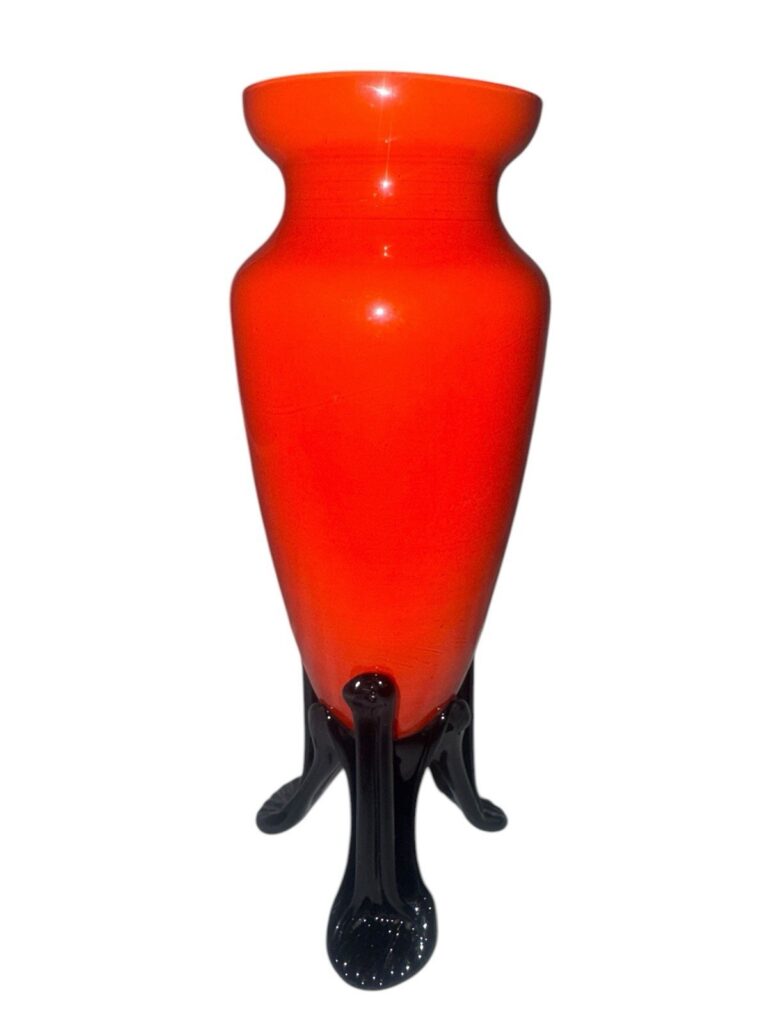
Loetz glass is celebrated around the world for its stunning iridescence, innovative techniques, and timeless artistry. Emerging from Bohemia in the late 19th century, Loetz became a hallmark of Art Nouveau glassmaking, blending natural forms, vivid colors, and exceptional craftsmanship.

The Artistry of Loetz

What sets Loetz apart is its signature iridescent finish, achieved through innovative chemical treatments that create shimmering, rainbow-like surfaces. These pieces often feature flowing, organic shapes inspired by nature—leaves, flowers, and water motifs—which were hallmarks of the Art Nouveau movement. Collectors value Loetz glass not only for its beauty but also for its technical mastery, which remains highly regarded more than a century later.

Notable Designers

Several visionary artists contributed to Loetz’s reputation for excellence. Among them:

  • Michael Powolny (1871–1954): An Austrian ceramicist and designer, Powolny brought a refined sense of form and texture to Loetz glass. His work is recognized for organic patterns, intricate surface designs, and a playful yet sophisticated approach to color and shape.

  • Other influential designers at Loetz included artists who experimented with iridescent effects, sculptural forms, and innovative glassmaking techniques, pushing the boundaries of what glass could express in the Art Nouveau era.

Each Loetz piece reflects a unique collaboration between artist and artisan. From sculptural vases to delicate bowls, these works demonstrate the fusion of design vision and technical skill that defines the Loetz legacy.

Collecting Loetz Glass Today

For collectors, Loetz glass offers more than visual appeal—it is a historical and artistic treasure. Pieces designed by Michael Powolny or other key artists are highly sought after for their rarity, craftsmanship, and enduring beauty. Whether displayed as a centerpiece or added to a curated collection, Loetz glass continues to captivate those who appreciate the marriage of artistic vision and technical mastery.

Owning a piece of Loetz glass is like holding a piece of history—a testament to the creativity, skill, and imagination of one of the most celebrated glassmakers of the Art Nouveau period.


Blog Post

Seguso Vetri d’Arte: Masters of Murano Glass Legacy

Seguso Vetri d’Arte stands as one of the oldest and most esteemed names in Murano glassmaking, with origins tracing back to 1397. This venerable company has been instrumental in shaping the evolution of Venetian glass, blending centuries-old traditions with innovative designs that continue to captivate collectors and art enthusiasts worldwide.

A Storied Legacy

The Seguso family’s involvement in glassmaking began in 1397 when Antonio Filius Seguxi established his workshop on the island of Murano. Over the centuries, the family honed their craft, passing down techniques and knowledge through generations. In 1933, Antonio Seguso (b. 1888) founded Seguso Vetri d’Arte, collaborating with fellow glassmakers Napoleone Barovier and Luigi Ferro. This partnership led to the creation of iconic pieces that combined traditional Venetian techniques with modern design sensibilities.

Artistic Innovations and Collaborations

Under the artistic direction of Flavio Poli, Seguso Vetri d’Arte became synonymous with innovation in glass design. Poli introduced groundbreaking techniques and collaborated with renowned artists to produce iconic pieces. Notably, the “Sommerso” series, developed in the 1950s, featured a layered glass technique that created depth and luminosity, showcasing the company’s mastery in combining form and function.

Throughout the mid-20th century, Seguso Vetri d’Arte continued to push the boundaries of glass artistry, producing works that are now highly sought after by collectors. Their creations are celebrated for their elegance, craftsmanship, and the ability to capture the essence of Venetian glassmaking.

Collecting Seguso Vetri d’Arte

Owning a piece from Seguso Vetri d’Arte is more than possessing a work of art; it’s owning a piece of history. The company’s commitment to quality and innovation has resulted in a diverse range of collectible items, including vases, chandeliers, and decorative objects. Collectors value these pieces not only for their aesthetic appeal but also for their historical significance in the evolution of Murano glass.


Blog Post

Florentine Leather Animal Sculptures: Where Craftsmanship Meets Imagination

The Italian art of turning leather into life

Among Italy’s many artistic traditions, few are as unexpectedly enchanting as the Florentine leather animal sculptures that emerged in the mid-twentieth century. These creatures — lions, elephants, horses, and occasionally gorillas — were more than decorative curiosities; they were living examples of Italy’s enduring devotion to craftsmanship, creativity, and the poetic transformation of raw materials.


The Origins of a Craft

Florence, long celebrated for its fine leatherwork, has been home to master artisans since the Renaissance. By the 1950s, these craftspeople began experimenting with new ways to showcase their skills, moving beyond handbags and bookbindings into the realm of sculpture. They developed a remarkable technique: stretching and molding thin, hand-dyed leather over carved animal forms made of wood or papier-mâché.


Each hide was soaked, softened, and carefully applied to the form, then smoothed and shaped by hand as it dried. As the leather tightened, it revealed the underlying anatomy — every muscle, vein, and curve. The most skilled artisans could achieve near-seamless finishes, creating figures so realistic they seemed poised to breathe.


An Art Form of the Mid-Century

These leather animals became beloved symbols of mid-century Italian style — exotic, sophisticated, and slightly whimsical. They were sold through fine Italian decor boutiques and exported around the world, often appearing in fashionable European homes and American design magazines of the era.


While elephants and horses were most common, some artisans took bold turns with lions, camels, bulls, or even apes — their glass eyes gleaming with a spark of life. The eyes were sometimes imported from Murano, tying together two of Italy’s most celebrated crafts: leather and glass.


The Hallmarks of Quality

A true Florentine leather animal can be recognized by its:


  • Seamless or nearly seamless construction, where the leather clings perfectly    to the form beneath.


  • Richly patinated surface, achieved through hand-dyeing and polishing.


  • Expressive glass eyes, often red or amber, that lend personality and warmth.


  • Solid, well-balanced stance, reflecting the artisan’s anatomical understanding.


Each figure was entirely handmade — no two were ever the same. Over time, the leather developed a deep, mellow sheen, aging as gracefully as fine Italian furniture.


Collecting Florentine Leather Animals Today

Today, these sculptures are cherished as mid-century design treasures. They capture a time when artistry was woven into everyday objects and when even a decorative animal carried the touch of a master’s hand. Gorillas and other unusual species are especially rare, often commanding the attention of collectors who appreciate both their craftsmanship and their character.

To hold one is to hold a piece of Italian history — a blend of imagination, precision, and playfulness wrapped in the unmistakable texture of Florentine leather.


“Art doesn’t always sit on a pedestal,” I like to remind myself. “Sometimes, it prowls on all fours — made of leather, stitched with care, and alive with spirit.”