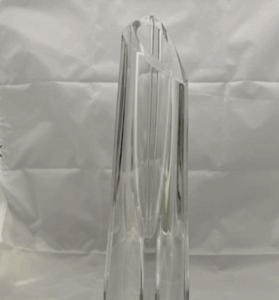
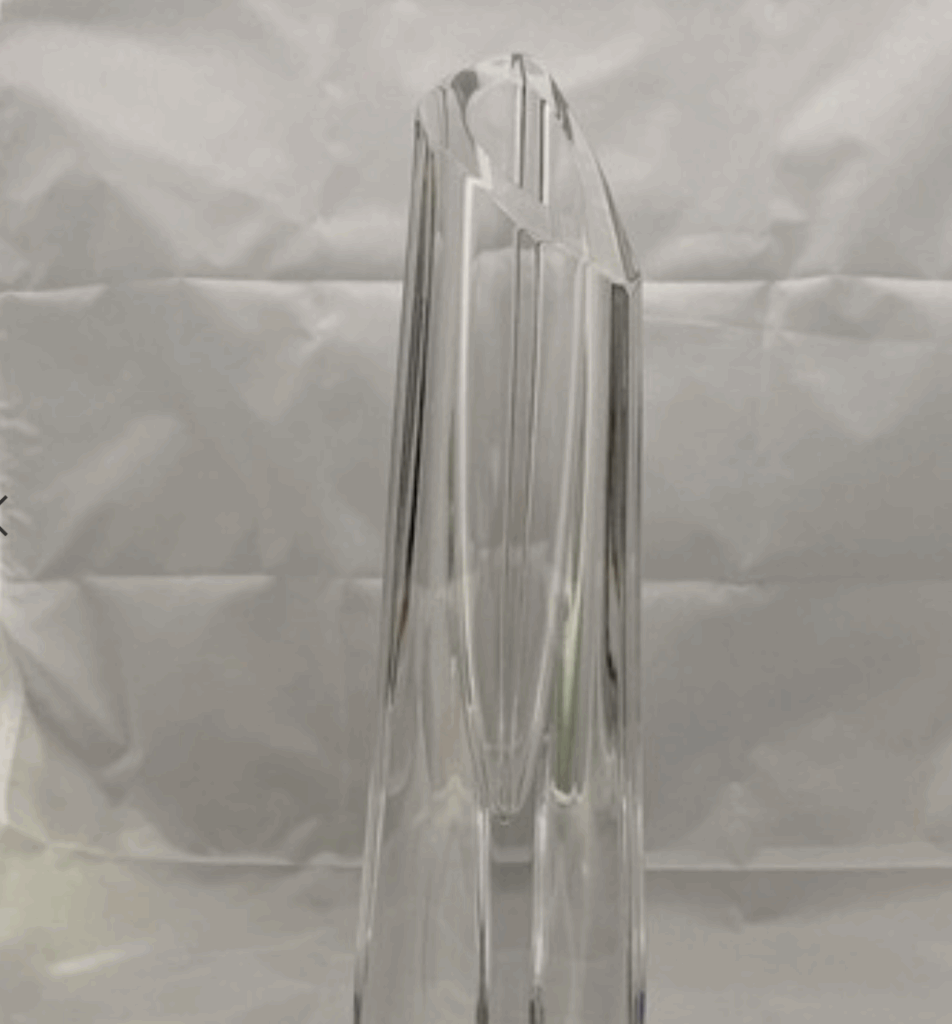
Baccarat Glass, Blog Post, Feature Resource, Products, Resources, Uncategorized

The History and Elegance of Baccarat Epergnes: A Collector’s Guide to French Crystal Luxury

The Timeless Beauty of the Baccarat Epergne: A Collector’s Guide

Among the world’s finest table centerpieces, few objects capture the grandeur of European luxury like a Baccarat epergne. These breathtaking crystal creations—often featuring cascading arms, cut-glass bowls, and intricate decorative elements—were once the crown jewels of aristocratic dining rooms. Today, they remain some of the most sought-after pieces in antique crystal collecting.

But what exactly is an epergne? Why did Baccarat become the premier producer of these ornate showpieces? And what should collectors look for when evaluating one today?

Let’s explore the history, artistry, and enduring appeal of the Baccarat epergne.


What Is an Epergne? The Centerpiece of European Elegance

An epergne is a multi-tiered centerpiece traditionally placed in the middle of a formal dining table.
Historically, they were used to hold:

  • fruit

  • sweetmeats

  • flowers

  • candles

  • decorative ornaments

Epergnes often feature a central bowl surrounded by radiating arms, each holding smaller dishes or vases. They were a statement of refinement and wealth—a visual celebration of abundance.

While many European glasshouses produced epergnes, Baccarat elevated them to an art form.


The Baccarat Legacy: Crystal Mastery Since 1764

Founded in 1764 in the French village of Baccarat, the company quickly became synonymous with luxury crystal. From royal commissions to world expositions, Baccarat built its reputation on precision cutting, clarity, and innovative design.

By the mid-19th century, Baccarat began crafting elaborate crystal epergnes that combined artistry with technical brilliance. These pieces often featured:

  • sharply faceted crystal

  • hand-cut decorative patterns

  • sculptural arms and branches

  • removable bowls and flutes

  • highly polished surfaces that catch and reflect light

Their weight, clarity, and brilliance set them apart from other crystal makers.


Why Baccarat Epergnes Became Icons of Luxury

Throughout the 19th and early 20th centuries, a Baccarat epergne was the centerpiece of fine dining rooms across Europe and America. Several reasons contributed to their enduring prestige:

1. Unmatched Craftsmanship

Every Baccarat epergne required dozens of hours of skilled cutting, assembling, and finishing.
The clarity and symmetry of the crystal are unmistakable.

2. Statement-Making Design

These pieces were not functional objects alone—they were showpieces.
They transformed dining tables, reflecting candlelight and elevating the entire room’s atmosphere.

3. Rarity and Limited Production

Because of their complexity, epergnes were produced in smaller quantities than bowls, vases, or stemware.
Surviving examples are prized today.

4. Historical Significance

Many Baccarat epergnes were exhibited at world fairs, displayed in palaces, or gifted to dignitaries.
Owning one is owning a piece of history.


How to Identify an Authentic Baccarat Epergne

Collectors should evaluate several key characteristics when determining authenticity:

1. Crystal Clarity and Weight

Baccarat crystal is exceptionally clear and heavy due to its high lead content (prior to the 1990s).

2. Acid-Etched Baccarat Mark

Most pieces made after the 1930s include an acid-etched hallmark featuring Baccarat’s name and symbol.

3. Sharp Hand-Cut Facets

The cuts should be crisp, symmetrical, and deeply executed—never shallow or uneven.

4. Precision in Assembly

The arms and central components should fit together seamlessly. Baccarat craftsmanship is meticulously engineered.

5. Provenance or Catalog Matches

Many known Baccarat forms appear in original catalogs or archival drawings.


Collecting Baccarat Epergnes Today: Value and Rarity

Because of their scale, artistry, and historical importance, Baccarat epergnes command strong prices at auction and through dealers.
Factors influencing value include:

  • overall condition

  • completeness (all bowls or vases present)

  • pattern rarity

  • color (clear is most common; colored crystal increases value)

  • size and complexity of the design

High-quality examples may range from a few thousand to tens of thousands of dollars, depending on age and form.


Why Baccarat Epergnes Appeal to Modern Collectors

Even today, a Baccarat epergne brings unmatched elegance to a room. Collectors value them as:

  • sculptural art objects

  • conversation pieces

  • investments in fine crystal

  • symbols of heritage and craftsmanship

They blend beautifully into grand dining rooms, antique-inspired spaces, or even modern interiors that embrace a curated, luxurious aesthetic.


Final Thoughts: A Masterpiece of Crystal Art

The Baccarat epergne represents the pinnacle of European crystal craftsmanship—a marriage of beauty, technique, and cultural history. Whether displayed during a holiday feast or showcased year-round, it stands as a reminder of elegance from a bygone era.

For collectors seeking pieces with history, artistry, and presence, a Baccarat epergne remains one of the most impressive and meaningful acquisitions.
Baccarat Glass, Blog Post, Feature Resource, Products, Resources, Uncategorized

Herman Miller and the Legacy of Ray & Charles Eames

Herman Miller: The Iconic Legacy of Ray and Charles Eames

For collectors of mid-century modern design, Herman Miller stands as one of the most important and influential furniture manufacturers in the 20th century. Founded in 1905 in Zeeland, Michigan, Herman Miller became a symbol of innovation, craftsmanship, and collaboration with visionary designers. Among these, Ray and Charles Eames are unparalleled in their influence, creating furniture that is both functional and sculptural, combining ergonomics, aesthetics, and modernist principles.

The Eameses began working with Herman Miller in the 1940s, bringing fresh ideas that transformed American furniture design. Their approach was rooted in experimentation with materials, mass-production techniques, and human-centered design, resulting in iconic pieces that are still highly sought after by collectors today. Ray and Charles Eames were not only furniture designers but also architects, filmmakers, and educators, and their work with Herman Miller reflects a philosophy that design should improve daily life while inspiring creativity and beauty.


Ray and Charles Eames: Designers of Modern Living

Charles Eames (1907–1978) and Ray Eames (1912–1988) pioneered the use of molded plywood, fiberglass, and innovative composite materials to create furniture that was lightweight, durable, and elegant. Their designs, including the Eames Lounge Chair and Ottoman, the Eames Molded Plywood Chair, and the Eames Aluminum Group Chairs, exemplify the mid-century modern aesthetic: clean lines, functional simplicity, and sculptural beauty.

The Eameses’ collaboration with Herman Miller was characterized by technical experimentation and design research. They sought to understand the way people interact with furniture and developed solutions that were both comfortable and aesthetically groundbreaking. The DAX, DAR, and DCW chairs, for example, demonstrate how molded plywood and fiberglass could be transformed into ergonomic seating suitable for both homes and offices. Collectors value these pieces not only for their beauty but also for their historical significance as design milestones of mid-century modernism.


Herman Miller: Innovation, Collaboration, and Collectibility

Herman Miller’s success lies in its commitment to collaboration with artists and designers. In addition to the Eameses, the company worked with designers such as George Nelson, Alexander Girard, and Isamu Noguchi, fostering a culture of innovation that combined functionalism with artistry. This environment allowed Ray and Charles Eames to experiment freely, resulting in furniture that was both practical and visually striking.

Collectors today seek Herman Miller pieces for several reasons: their design pedigree, historical importance, and enduring quality. Original Eames chairs, especially those produced during the 1940s–1970s, are highly desirable and retain significant market value. Limited editions, early prototypes, and signed pieces are particularly collectible. Herman Miller furniture exemplifies mid-century modern design principles, offering timeless aesthetic appeal and functional excellence that make it a centerpiece in any interior or collection.


The Collector’s Perspective: Eames Chairs and Beyond

Owning a Herman Miller Eames chair is more than acquiring a piece of furniture — it is a connection to the pioneering work of Ray and Charles Eames and the golden era of American modernism. Collectors appreciate:

  • Design innovation: The use of molded plywood, fiberglass, and aluminum revolutionized furniture design.

  • Ergonomic elegance: Eames pieces were designed to complement the human body while remaining visually stunning.

  • Cultural significance: Eames designs represent mid-century optimism, modernity, and the integration of art and function.

  • Investment potential: Original Eames chairs and Herman Miller pieces have consistently appreciated in value, reflecting their collectible status.

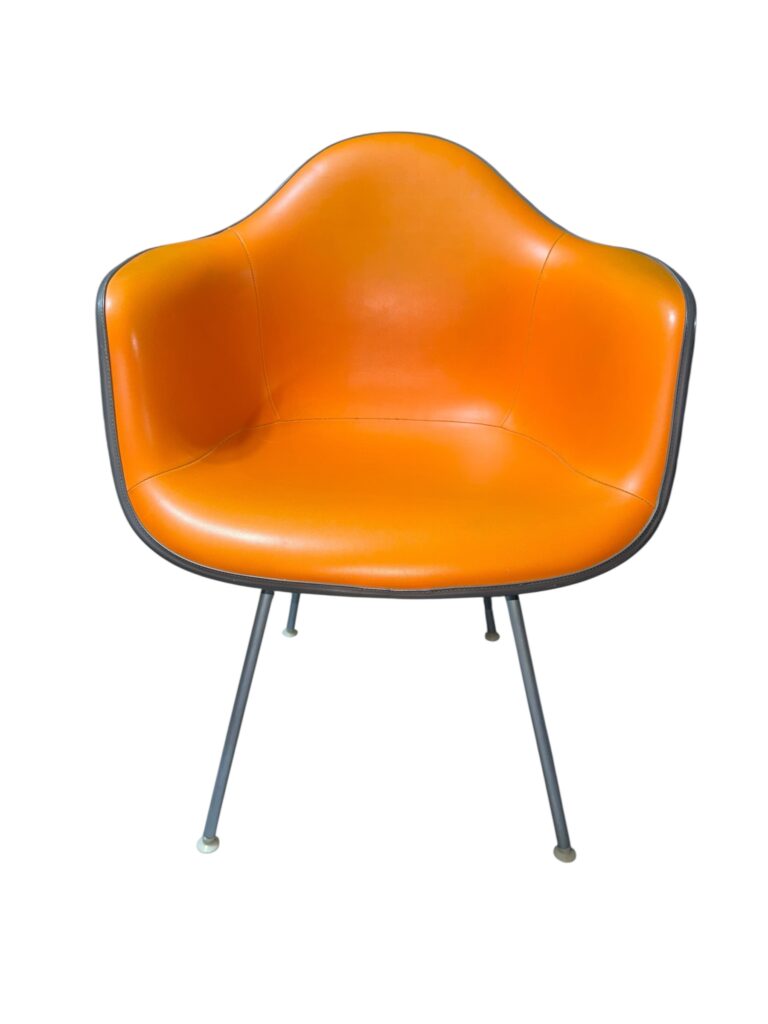
Pieces like the Eames DAX chair — a fiberglass shell on wooden or metal legs — embody the principles of durability, comfort, and modernist beauty. Collectors value their historical provenance and the connection to the design philosophy of one of the most influential duos in modern furniture history.


Herman Miller Today

Today, Herman Miller continues to produce classic Eames designs alongside contemporary innovations. Their furniture remains at the forefront of modern office and home interiors, blending tradition with sustainability and ergonomic research. For collectors, original vintage pieces remain highly prized, while modern reproductions continue to honor the legacy of Ray and Charles Eames, ensuring their designs remain accessible and relevant.

Whether for a private collection, museum, or curated interior, Herman Miller furniture and Eames designs remain emblems of design excellence, bridging the history of American modernism with contemporary taste. Collectors value the blend of artistry, functionality, and historical significance, making Herman Miller and the Eames legacy a cornerstone of mid-century modern collecting.

Baccarat Glass, Feature Resource, Uncategorized

How to Start Collecting Vintage: A Guide for the Curious

So, you’re curious about vintage and wondering where to start.

The good news? You don’t need a degree in art history, a six-figure budget, or permission from anyone. All you need is a spark—a feeling that beautiful things matter—and the desire to learn as you go.

Here’s how to begin.

Start with What You Love

The most important rule in collecting?

Follow your heart.

Forget the trends. If you’re drawn to handblown glass, begin there. If a weathered tin or tiny figurine speaks to you, listen.

When I was young, I’d fall in love with objects no one else noticed—an old button, a carved bead, a scrap of fabric from another century. I didn’t realize it then, but I was already collecting.

Your collection begins the moment something makes you look twice.

Learn to Look

Train your eyes. The more you handle vintage pieces, the more your intuition sharpens.

When examining a piece, take a moment:

  • Turn it over
  • Check the base and seams
  • Feel the weight
  • Look for any markings or signatures

A few helpful clues to look for:

  • Maker’s marks – stamped, etched, or signed
  • Signs of age – wear, patina, faded labels
  • Craftsmanship – hand-painted details, balanced weight, handmade textures

Every object has a language—you just have to get close enough to hear it.

Do a Little Research

You don’t need to know everything right away.

Google is your friend. So are estate sale hosts, antique dealers, library books, and fellow collectors. The more you learn about a piece’s origin or maker, the more connected you’ll feel to it.

Even if something is unsigned or mysterious, the search is part of the joy. That path of discovery is often where your passion takes root.

Don’t Fear the Imperfect

A small chip. A worn edge. A bit of tarnish.

These aren’t flaws—they’re the fingerprints of history.

Perfection is overrated. In vintage collecting, it’s often the patina—the wear from use, the softness from time—that gives a piece its soul.

Choose character over polish. That’s where the stories live.

Buy from the Heart

Yes, some pieces are valuable. Others aren’t.
But the best collectors understand this truth:

Value comes from connection.

If something moves you, it matters. If you’re unsure, take your time. But if you fall in love?

Trust that.

Ready to Begin?

Your collection is a portrait of your eye, your spirit, your story.

  • Start small
  • Stay curious
  • Let the objects you find (or that find you) lead the way

Explore our curated collections

Read more stories behind the pieces

And remember: your version of beauty is more than enough.


Baccarat Glass, Products, Resources

Baccarat Glass: A Legacy of Crystal Brilliance and Timeless Elegance

In the world of fine crystal, few names command as much reverence as Baccarat. For over two centuries, Baccarat has stood as a symbol of elegance, luxury, and unparalleled craftsmanship. From royal courts to modern-day collectors, Baccarat glass has been cherished not just as functional objects but as enduring works of art.

This blog post dives deep into the history of Baccarat glass, exploring its origins, its rise to international fame, and the reasons why it continues to captivate collectors, designers, and luxury enthusiasts today.


The Birth of Baccarat: Origins in Eastern France

The story of Baccarat begins in the quiet village of Baccarat, nestled in the Lorraine region of northeastern France. In 1764, King Louis XV granted permission to establish a glassworks factory in the region. The aim was to stimulate the local economy, particularly after years of war had left the area impoverished.

The factory was founded by Bishop Louis-Joseph de Montmorency-Laval, and originally produced window panes, mirrors, and stemware. It wasn’t until the early 19th century that Baccarat transitioned to producing the fine lead crystalit is now renowned for.

By 1816, Baccarat had installed its first crystal furnace, a pivotal moment that transformed the brand from a local operation into a future global icon. From there, Baccarat began perfecting the production of clear crystal, eventually experimenting with colored crystal, cut patterns, gilding, and engraving techniques that would define the brand’s luxurious style.

Rise to Fame: Royal Patronage and International Recognition

Baccarat’s reputation quickly grew during the 19th century, particularly when it began winning medals at major international exhibitions. One of the company’s turning points came at the Exposition des Produits de l’Industrie Française in 1823, where Baccarat received its first gold medal.

Soon after, royalty and aristocracy took notice.

  • King Louis XVIII, Tsar Nicholas II of Russia, Emperor Napoleon III, and the Maharajas of India became patrons.
  • Baccarat received numerous royal commissions, producing exquisite crystal sets for palaces and courts around the world.

By the mid-1800s, Baccarat had earned its reputation as the glassmaker of kings. The brand became synonymous with sophistication, its designs blending meticulous French craftsmanship with timeless aesthetics. The demand wasn’t just in Europe; Baccarat pieces were exported across Asia, the Middle East, and the Americas.


Artistry and Craftsmanship

What sets Baccarat apart from other glassmakers is its commitment to traditional artisanal methods. Each piece of Baccarat crystal is the result of extraordinary skill, often requiring years of training and decades of experience.

Some notable aspects of Baccarat’s craftsmanship include:

  • Hand-blowing: Skilled artisans shape molten crystal into elegant forms using only their breath, tools, and muscle memory.
  • Cutting and Engraving: Baccarat crystal is famed for its deep cuts and complex geometric patterns, often done by hand with diamond-tipped tools.
  • Color Infusion: While clear crystal is the signature look, Baccarat also developed mastery over colored crystal, producing vibrant reds, blues, greens, and golds.
  • Gilding and Etching: Many Baccarat items are decorated with delicate gold or platinum leaf, applied by hand.

Each object undergoes rigorous quality control, and only those that meet Baccarat’s exacting standards bear the brand’s signature.


Iconic Creations Through the Ages

Over the centuries, Baccarat has produced an astounding array of masterpieces. Some of the most iconic include:

  • The Harcourt Glass (1841): Perhaps Baccarat’s most famous stemware collection, originally commissioned by King Louis-Philippe. It features a hexagonal foot and a beveled bowl, combining functionality with imperial grandeur.
  • The Zenith Chandelier: A dazzling feat of design, the Zenith chandelier features layers of crystal drops, prisms, and arms, refracting light in every direction. Found in palaces, embassies, and five-star hotels, it epitomizes Baccarat’s opulence.
  • Crystal Animal Figurines: These whimsical yet precise creations became especially popular in the 20th century and showcased Baccarat’s versatility.
  • Perfume Bottles: Baccarat collaborated with top fragrance houses like Guerlain, Dior, and Chanel to produce luxurious crystal perfume bottles—many of which are collector’s items today.


Baccarat in the 20th and 21st Centuries

As tastes evolved in the 20th century, Baccarat embraced modern design movements, working with a new generation of artists and designers. It adapted its classic elegance to contemporary trends without sacrificing quality.

In the 1990s and 2000s, Baccarat expanded into boutiques and flagship stores around the globe. From Paris to Tokyo to New York, Baccarat became not only a producer of fine crystal but also a lifestyle brand. It began offering:

  • Crystal jewelry
  • Luxury tableware
  • Barware collections
  • Home décor

Collaborations with contemporary designers like Philippe Starck, Jaime Hayon, and Arik Levy pushed the boundaries of what crystal could be—melding traditional craftsmanship with bold, avant-garde vision.

In 2003, Baccarat even opened its own luxury hotel in Paris: Maison Baccarat, a glamorous space that doubles as a showroom for its most iconic collections.


Baccarat Today: A Symbol of Enduring Luxury

Today, Baccarat continues to symbolize prestige, refinement, and innovation. The company remains committed to its roots in Lorraine, France, where its original factory still operates and trains future generations of glass artisans.

As the brand moves into the future, it continues to celebrate its legacy with limited-edition collections, custom commissions, and collaborations with luxury houses. Baccarat glass is still gifted by heads of state, used in Michelin-starred restaurants, and displayed in museums and private collections.

Moreover, Baccarat pieces have become increasingly popular in auction houses, with some antique items fetching six-figure sums. These aren’t just luxury goods—they’re part of art history.