Blog Post

Laszlo Steiner: The Visionary Ceramic Artist Behind Some of the 20th Century’s Most Charming Animal Forms


Blog Post

Charles Greber: Master of French Art Pottery and the Legacy of Beauvais Ceramics

The Enduring Legacy of Charles Gréber and French Artistic Ceramics

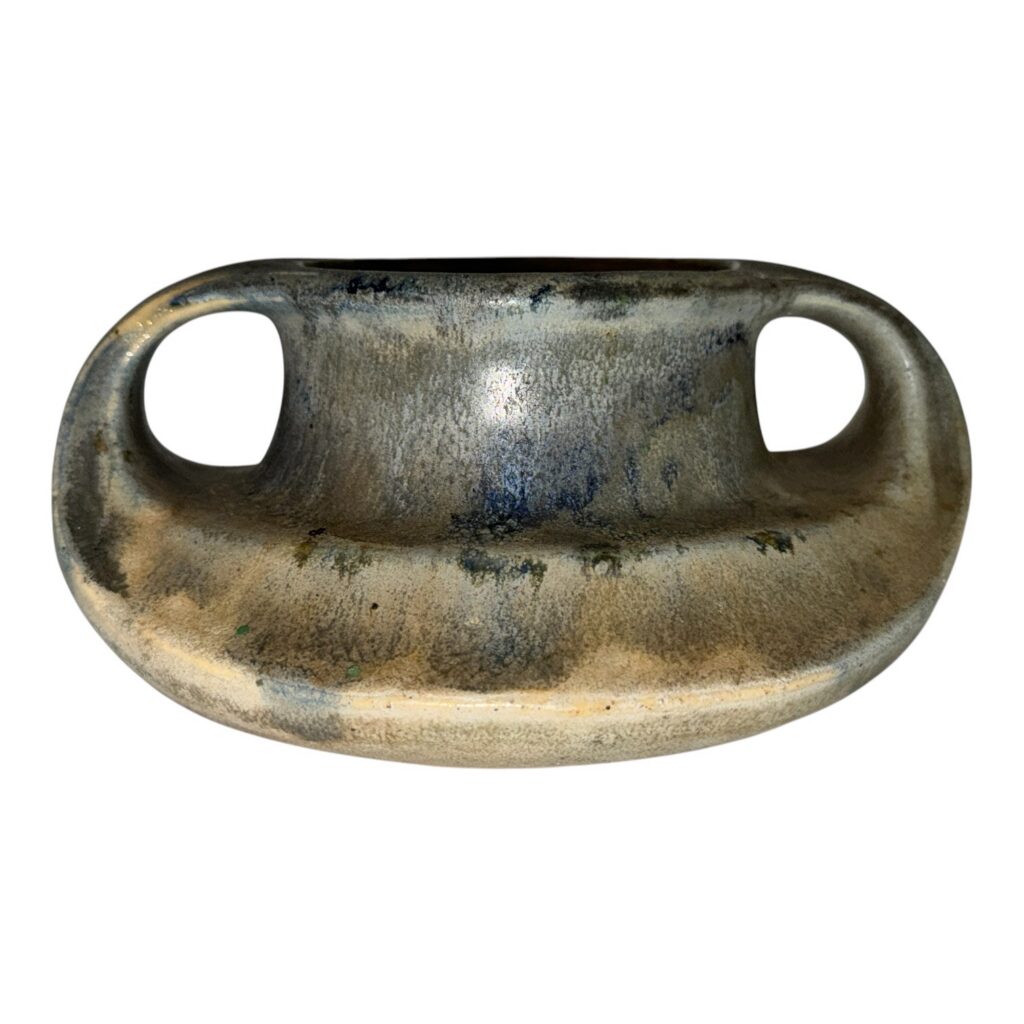
The history of French ceramics is filled with remarkable artists and manufacturers whose work transformed functional pottery into fine art. Among the most respected names is Charles Gréber, a master potter associated with the celebrated Gréber pottery works of Beauvais, France. Today, collectors and historians recognize Gréber ceramics for their exceptional craftsmanship, artistic glazes, sculptural forms, and their important role in the evolution of both Art Nouveau and Art Deco design.

Whether encountered in the form of a monumental floor vase, an elegant jardinère, a decorative charger, or a finely modeled figural sculpture, Gréber pottery represents some of the finest artistic ceramic production to emerge from France during the late nineteenth and early twentieth centuries.

For collectors of European art pottery, Gréber remains a name synonymous with innovation, quality, and artistic excellence.


The Origins of the Gréber Pottery Works

The story begins in Beauvais, a historic city in northern France known for its rich artistic traditions. The Gréber family established a ceramics enterprise that would eventually become one of France’s most respected pottery manufacturers.

The factory traces its origins to the mid-nineteenth century when the Gréber family became involved in ceramic production. Over time, the workshop expanded its capabilities and artistic ambitions, evolving from traditional pottery production into a center for artistic ceramics.

Charles Gréber emerged as one of the most influential members of the family enterprise. Under his guidance, the company embraced artistic experimentation and high-quality decorative ceramics that reflected changing tastes in European design.

By the late nineteenth century, Gréber pottery had gained recognition throughout France and beyond for its combination of technical excellence and artistic sophistication.


The Artistic Climate of France in the Late Nineteenth Century

To understand Charles Gréber’s importance, it helps to understand the artistic environment in which he worked.

The late 1800s represented a period of extraordinary creativity across Europe. Artists and designers sought alternatives to mass-produced industrial goods, embracing craftsmanship and artistic expression.

Several movements influenced ceramic artists during this period:

The Arts and Crafts Movement

Originating in Britain but influencing artists throughout Europe, the Arts and Crafts Movement emphasized handcrafted quality and artistic integrity.

Japonisme

The European fascination with Japanese art inspired asymmetrical designs, nature-based motifs, and innovative decorative techniques.

Art Nouveau

Perhaps the most significant influence on Gréber’s work, Art Nouveau celebrated flowing lines, organic forms, flowers, insects, and natural beauty.

French ceramic artists eagerly adopted these ideas, transforming pottery from simple household objects into artistic statements.

Charles Gréber was among those who successfully incorporated these trends while maintaining a distinctly French aesthetic.


Gréber and the Art Nouveau Movement

The Art Nouveau era, roughly spanning 1890 to 1910, marked one of the most creative periods in Gréber pottery production.

Art Nouveau rejected rigid historical styles in favor of forms inspired by nature. Flowers, vines, dragonflies, butterflies, and flowing organic lines became central decorative themes.

Gréber pottery from this period often features:

  • Floral relief decoration
  • Sculptural natural forms
  • Organic silhouettes
  • Rich experimental glazes
  • Hand-finished details
  • Asymmetrical artistic compositions

Large decorative vases became particularly important during this era.

Rather than serving merely as containers for flowers, these vessels became works of art in their own right. Their dramatic shapes and decorative surfaces reflected the growing desire among collectors and homeowners to surround themselves with beautiful artistic objects.

Many surviving Gréber pieces from the Art Nouveau period demonstrate extraordinary technical skill, especially in the handling of complex glazes and relief decoration.


The Beauvais Connection

One of the defining aspects of Gréber pottery is its strong association with Beauvais.

The city had long been recognized as an important center of French craftsmanship. While perhaps best known internationally for its tapestries and cathedral, Beauvais also fostered a thriving ceramics tradition.

The Gréber factory became one of the city’s most prominent artistic manufacturers.

Collectors often encounter marks referencing Beauvais, helping establish provenance and authenticity.

Today, the Beauvais connection adds historical significance to Gréber ceramics, linking each piece to an important regional tradition within French decorative arts.


Innovation in Ceramic Glazes

One of the most celebrated aspects of Charles Gréber’s work is the extraordinary quality of the factory’s glazes.

During the late nineteenth and early twentieth centuries, ceramic artists across Europe experimented with new firing techniques and glaze formulas.

Gréber embraced this spirit of innovation.

The pottery works became known for producing:

Crystalline Effects

Complex glaze surfaces that created shimmering visual depth.

Mottled and Flambé Finishes

Rich color variations achieved through careful kiln control.

Matte Artistic Surfaces

Subtle finishes that emphasized sculptural form.

Nature-Inspired Colors

Greens, blues, browns, ambers, and earth tones that reflected natural landscapes.

These glazes often transformed relatively simple forms into visually captivating works of art.

Collectors today frequently cite glaze quality as one of the primary reasons for pursuing Gréber ceramics.


The Transition to Art Deco

As artistic tastes evolved during the early twentieth century, Gréber adapted successfully to changing styles.

The emergence of Art Deco introduced a new visual language.

Instead of the flowing organic lines of Art Nouveau, Art Deco emphasized:

  • Geometry
  • Symmetry
  • Streamlined forms
  • Architectural influence
  • Bold silhouettes

Gréber pottery evolved accordingly.

Many pieces from the 1920s and 1930s demonstrate cleaner profiles and stronger geometric compositions while retaining the exceptional craftsmanship for which the factory was known.

This ability to transition between major artistic movements helped ensure the continued relevance of Gréber ceramics.

Few pottery manufacturers navigated the shift from Art Nouveau to Art Deco as successfully.


Monumental Decorative Vases

Among the most sought-after Gréber creations are the large decorative floor vases produced during both the Art Nouveau and Art Deco periods.

These impressive works often served as focal points in sophisticated interiors.

Characteristics include:

  • Dramatic scale
  • Sculptural presence
  • Elaborate glaze treatments
  • Architectural forms
  • Hand-finished decoration

Large Gréber vases frequently command significant attention in auctions and private collections because they represent the factory’s highest artistic achievements.

Their combination of craftsmanship, rarity, and visual impact makes them particularly desirable among collectors of European art pottery.


Why Collectors Love Gréber Pottery

Several factors contribute to the enduring popularity of Charles Gréber’s work.

Artistic Quality

Gréber ceramics possess a level of artistic sophistication that appeals to serious collectors.

Historical Importance

The pottery reflects major design movements including Art Nouveau and Art Deco.

Exceptional Glazes

Many collectors focus specifically on the factory’s remarkable surface treatments.

Limited Survival

Compared to some larger European manufacturers, relatively fewer Gréber pieces survive today.

Decorative Appeal

Even those unfamiliar with ceramic history are often drawn to the beauty of Gréber pottery.

These qualities have helped maintain strong collector interest for decades.


Identifying Authentic Gréber Pottery

Collectors frequently encounter pieces bearing various Gréber marks.

Common examples may include:

  • GRÉBER
  • C. GRÉBER
  • GRÉBER BEAUVAIS
  • Incised factory marks
  • Molded marks
  • Stamped signatures

Because markings varied over time, identification often requires evaluating:

  • Form
  • Decoration
  • Glaze characteristics
  • Construction methods
  • Factory marks

As with any significant ceramic manufacturer, authenticity should be confirmed through careful examination and comparison with documented examples.


Gréber in Today’s Market

Interest in French art pottery has grown considerably in recent years.

Collectors increasingly appreciate ceramics as an important category of decorative art, leading to renewed attention for historically significant manufacturers like Gréber.

The strongest prices are generally achieved by:

  • Monumental vases
  • Rare glaze examples
  • Art Nouveau masterpieces
  • Exhibition-quality works
  • Exceptional sculptural forms

Museum-quality pieces can command substantial prices due to their rarity and artistic importance.

Smaller decorative objects remain popular as entry points for new collectors seeking to build collections of French ceramics.


Gréber’s Place in Decorative Arts History

Charles Gréber occupies an important position in the broader story of European decorative arts.

His work bridges several critical periods:

  • Victorian artistic ceramics
  • Arts and Crafts influences
  • Art Nouveau innovation
  • Art Deco modernism

Few ceramic manufacturers successfully evolved through such dramatic stylistic transitions while maintaining consistent artistic quality.

This adaptability helped secure Gréber’s reputation as one of France’s most respected pottery producers.

Today, museums, collectors, and decorative arts scholars continue to study and celebrate the achievements of the Gréber pottery works.


Conclusion

The legacy of Charles Gréber extends far beyond the walls of the Beauvais pottery works. Through innovation, craftsmanship, and artistic vision, Gréber helped elevate French ceramics to new heights during one of the most dynamic periods in decorative arts history.

From the flowing organic elegance of Art Nouveau to the bold sophistication of Art Deco, Gréber ceramics capture the spirit of changing artistic movements while maintaining a distinctive identity rooted in exceptional craftsmanship.

For modern collectors, each Gréber vase, sculpture, or decorative vessel represents more than a beautiful object—it is a tangible connection to a remarkable chapter in French artistic history. More than a century after many of these works were created, Charles Gréber’s ceramics continue to inspire admiration, proving that truly great design transcends time.

Blog Post

Art Deco Architecture: The Glamour, Innovation, and Lasting Legacy of a Design Revolution


Blog Post

Lux Film: The Italian Studio Behind the Golden Age of Postwar Cinema

Lux Film: The Studio That Helped Shape Italian Cinema

When discussing the great film studios of the twentieth century, Hollywood giants such as MGM, Paramount, and Warner Brothers often dominate the conversation. Yet in Europe, few studios had a greater impact on the development of postwar cinema than Lux Film, the Italian production and distribution company responsible for helping establish Italy as one of the world’s leading centers of filmmaking.

Founded in 1934 by businessman and patron of the arts Riccardo Gualino, Lux Film began as a distributor of international motion pictures. Over the following decades, the company evolved into one of the most important production houses in Europe, financing and distributing films that would influence generations of directors, actors, and producers.

Today, Lux Film is remembered not only for the films it produced but also for its role in fostering some of the greatest talents in Italian cinema and helping define the artistic movement known as Italian Neorealism.

A Vision Beyond Entertainment

Riccardo Gualino was not merely a businessman. He was a passionate supporter of the arts whose interests included architecture, theater, music, and film. His vision for Lux Film extended beyond commercial success.

Rather than focusing solely on mass-market entertainment, Lux Film sought to elevate cinema as an art form. The company supported filmmakers who were willing to explore social issues, human struggles, and contemporary realities. This philosophy would become increasingly important during the difficult years surrounding World War II and the rebuilding period that followed.

By the late 1940s, Lux Film had become one of the most respected names in European cinema.

The Rise of Italian Neorealism

Following World War II, Italian filmmakers began moving away from the glamorous studio productions of earlier decades. Instead, they turned their cameras toward ordinary people and everyday life.

This movement became known as Italian Neorealism.

Films often featured:

  • Working-class characters
  • Real-world locations
  • Social commentary
  • Economic struggles
  • Authentic human experiences

Lux Film became one of the major supporters of this cinematic revolution.

While the company balanced artistic and commercial interests, it consistently backed projects that reflected the changing realities of postwar Europe. Through its financing and distribution network, Lux Film helped bring these stories to audiences both in Italy and around the world.

Launching Legendary Careers

One of Lux Film’s greatest contributions was its role in nurturing future giants of the film industry.

Among those who gained valuable experience through Lux Film were:

  • Dino De Laurentiis
  • Carlo Ponti
  • Numerous directors, writers, and actors who would later achieve international recognition

Both De Laurentiis and Ponti would eventually become two of the most influential producers in cinema history, working with acclaimed directors and bringing Italian filmmaking to a global audience.

The success of these individuals reflects Lux Film’s remarkable ability to identify talent and support ambitious creative projects.

International Success

During the late 1940s and 1950s, Lux Film expanded beyond domestic productions and became a major force in international film distribution.

The company was instrumental in bringing Italian films to foreign markets while also introducing international productions to Italian audiences.

This exchange of artistic ideas helped strengthen cultural ties between Europe and the rest of the world during a period of rebuilding and renewal.

Lux Film’s productions frequently appeared at major film festivals and attracted critical attention from audiences far beyond Italy’s borders.

Artistic Excellence and Innovation

Unlike many studios that focused primarily on profitability, Lux Film developed a reputation for combining artistic quality with commercial viability.

Its productions often featured:

  • Exceptional cinematography
  • Strong literary influences
  • Thoughtful storytelling
  • Innovative directing techniques
  • High production values

The studio’s commitment to quality helped establish Italian cinema as a serious artistic force during the mid-twentieth century.

Many historians view Lux Film as one of the organizations that bridged the gap between traditional studio filmmaking and the more director-driven cinema that would emerge in later decades.

The Golden Age of European Cinema

The late 1940s and 1950s are often referred to as a golden age for European filmmaking.

During this period, audiences embraced films that explored complex themes and reflected genuine human experiences. Lux Film stood at the center of this movement.

Its productions helped demonstrate that cinema could be both commercially successful and artistically meaningful.

This influence extended far beyond Italy. Directors in France, Britain, Germany, and even the United States studied Italian filmmaking techniques and storytelling methods pioneered during this era.

Why Lux Film Matters Today

For film historians and collectors, Lux Film represents one of the defining institutions of postwar European culture.

The company’s legacy lives on through:

  • Historic film productions
  • Vintage promotional materials
  • Original film posters
  • Studio photographs
  • Distribution catalogs
  • Archival documents

Collectors particularly value surviving Lux Film materials because they document an extraordinary period when cinema was rapidly evolving into one of the world’s most influential art forms.

These pieces provide a direct connection to an era that transformed the way films were made, distributed, and experienced.

A Lasting Legacy

While Lux Film eventually faded as the economics of filmmaking changed, its impact remains undeniable.

The company helped launch careers, champion artistic innovation, and bring Italian cinema to an international audience. More importantly, it proved that film could be a powerful medium for exploring real life, human emotion, and social change.

Nearly a century after its founding, Lux Film remains a symbol of one of the most creative and influential periods in cinematic history—a studio whose contributions helped shape the modern language of film itself.

Blog Post

The Legacy of Pilgrim Glass: Handcrafted American Art Glass from West Virginia

Few names in twentieth-century American art glass carry the warmth, craftsmanship, and sculptural beauty associated with Pilgrim Glass. Known for its richly colored hand-blown glass, dramatic forms, and dedication to traditional glassmaking techniques, Pilgrim became one of the most beloved art glass companies to emerge from the historic glassmaking region of West Virginia.

For more than fifty years, Pilgrim Glass produced a remarkable variety of collectible glass ranging from crackle glass and cranberry glass to sculptural animal figures, monumental decorative vessels, and elegant cameo glass. Today, collectors continue to seek Pilgrim pieces for their quality, artistry, and unmistakable handcrafted character.

The Origins of Pilgrim Glass

Pilgrim Glass was founded in 1949 by Alfred Knobler, a ceramics engineer and glass salesman who purchased the struggling Tri-State Glass Manufacturing Company in Huntington, West Virginia.

West Virginia had already established itself as one of America’s most important glassmaking regions thanks to its abundance of natural gas, silica, and skilled artisans. The state became home to legendary glass companies including:

  • Blenko Glass Company
  • Fostoria Glass Company
  • Seneca Glass Company
  • Viking Glass
  • Kanawha Glass

Pilgrim quickly distinguished itself within this competitive artistic environment through its emphasis on hand-blown decorative glass with strong sculptural presence. In 1956, the company moved operations to Ceredo, West Virginia, where it would continue production for decades.

Early Crackle Glass and Artistic Innovation

One of Pilgrim’s earliest and most recognizable product lines was its colorful crackle glass. This dramatic textured effect was created by plunging hot glass into cold water before reheating it, causing the surface to develop intricate crackled patterns beneath the outer finish.

Pilgrim produced crackle glass in a wide range of vivid colors and sculptural forms, many of which remain highly collectible today. The company’s crackle pieces perfectly captured the growing mid-century appreciation for expressive handcrafted decorative arts.

Unlike mass-produced industrial glassware, Pilgrim pieces possessed individuality. Variations in shape, texture, color saturation, and pontil finishing reflected the handmade nature of the work — qualities that collectors continue to value today.

Italian Glassmakers and Sculptural Glass Animals

During the 1950s, Pilgrim added another important artistic dimension to its production when Italian glassworkers Alessandro and Roberto Moretti joined the company. Their extraordinary skill in off-hand glass sculpting helped Pilgrim expand into collectible novelty animals and sculptural decorative glass.

The glass animals produced during this period became some of the company’s most beloved creations. Birds, swans, fish, cats, and other whimsical figures demonstrated remarkable fluidity and technical precision while retaining the warmth of hand-blown artistry.

These sculptural works helped establish Pilgrim’s identity as more than simply a tableware manufacturer. The company increasingly became associated with collectible art glass possessing strong decorative and sculptural appeal.

Pilgrim and Cranberry Glass

In 1968, under the direction of plant manager Karel Konrad, Pilgrim began producing cranberry glass and would eventually become the largest producer of cranberry glass in the world.

True cranberry glass is particularly difficult to produce due to the delicate chemistry involved in creating the rich ruby coloration. Traditionally made using gold compounds within the glass formula, cranberry glass has long been associated with luxury and fine decorative arts.

Pilgrim’s cranberry production ranged from elegant traditional vessels to monumental floor vases and sculptural decorative forms. The luminous coloration and exceptional clarity of Pilgrim cranberry pieces helped make them especially popular among collectors throughout the late twentieth century.

Even today, large Pilgrim cranberry vessels remain among the company’s most sought-after creations.

Cameo Glass and Artistic Expansion

By the 1980s and early 1990s, Pilgrim Glass further expanded its artistic direction through the production of cameo glass under the supervision of artists including Kelsey Murphy and Robert Bomkamp.

Cameo glass represented a significant technical and artistic achievement for the company. These works often featured acid-etched decorative imagery layered over satin-finished glass surfaces, combining sculptural depth with intricate decorative detail.

This period reflected a broader shift in American decorative arts toward collectible studio-inspired art glass with stronger artistic identity and designer attribution.

Large-scale architectural vessels, sophisticated satin finishes, and richly colored monumental forms became increasingly important within Pilgrim’s production during this era. Many of the company’s later works possess a distinctly postmodern sculptural quality that appeals strongly to collectors and interior designers today.

Monumental Art Glass and Interior Design

One reason Pilgrim Glass continues to resonate with collectors is its strong relationship to interior design. Many Pilgrim pieces were created with dramatic scale and sculptural presence intended to anchor sophisticated interiors.

Monumental floor vases, oversized bowls, towering decorative forms, and richly colored architectural vessels became especially popular during the 1980s and 1990s as designers embraced statement decorative arts.

Pilgrim’s work fit beautifully within:

  • modernist interiors
  • postmodern spaces
  • maximalist environments
  • collector-focused homes
  • luxury decorative settings

The company’s use of vibrant color, elegant form, and hand-blown craftsmanship allowed its glass to function simultaneously as decorative object and sculptural art.

Handmade American Craftsmanship

One of the enduring appeals of Pilgrim Glass lies in its commitment to handmade American craftsmanship. Each piece reflects the human touch of skilled artisans rather than industrial automation.

Collectors often appreciate:

  • hand-worked pontils
  • organic variations in form
  • subtle differences in color
  • evidence of hand-blowing
  • sculptural individuality

These characteristics give Pilgrim glass warmth and personality that machine-made decorative glass often lacks.

In an era increasingly dominated by mass production, the artistry and craftsmanship of handmade American art glass continue to gain appreciation among collectors.

The Closure of Pilgrim Glass

After more than fifty years of operation, Pilgrim Glass closed in 2002 when Alfred Knobler was unable to find a buyer for the company.

The closure marked the end of an important chapter in West Virginia glassmaking history. However, Pilgrim’s legacy continues through the many surviving works cherished by collectors today.

In fact, the company’s artistic importance has only grown with time as collectors increasingly recognize the quality and beauty of late twentieth-century American art glass.

Collecting Pilgrim Glass Today

Today, Pilgrim Glass remains highly collectible across multiple categories:

  • crackle glass
  • cranberry glass
  • cameo glass
  • animal sculptures
  • architectural vessels
  • monumental floor vases
  • sculptural decorative art glass

Collectors are particularly drawn to large-scale pieces, unusual coloration, designer-attributed works, and examples possessing strong sculptural presence.

Pilgrim’s ability to blend traditional craftsmanship with modern decorative aesthetics gives its work enduring appeal within both art glass collecting and contemporary interior design.

Ultimately, the legacy of Pilgrim Glass reflects the enduring power of handcrafted American artistry — glass that was not simply manufactured, but created with imagination, technical mastery, and unmistakable human touch.

Blog Post

Arabia of Finland and the Enduring Legacy of Friedl Holzer-Kjellberg

When collectors think of Scandinavian ceramics, a handful of names immediately come to mind: Kaj Franck, Birger Kaipiainen, Ulla Procopé, Esteri Tomula, and perhaps most poetically of all, Friedl Holzer-Kjellberg. While Arabia of Finland is celebrated for its modern tableware and innovative design, one artist transformed the company’s artistic identity through a delicate porcelain technique that remains among the most admired achievements in twentieth-century ceramics. That artist was Friedl Holzer-Kjellberg.

The Story of Arabia of Finland

Founded in 1873, Arabia became Finland’s most important ceramics manufacturer and eventually one of the most influential names in Scandinavian design. Originally established as a subsidiary of the Swedish ceramics firm Rörstrand, the factory grew into a powerhouse of innovation and craftsmanship. Throughout the twentieth century, Arabia attracted some of the greatest ceramic artists in Finland, helping to define what is now recognized worldwide as Finnish design.

Unlike many European porcelain manufacturers that relied heavily on tradition, Arabia embraced artistic experimentation. The company encouraged designers to develop unique glazes, forms, and decorative techniques. This environment allowed artists such as Kaj Franck, Birger Kaipiainen, Ulla Procopé, and Esteri Tomula to create work that remains highly collectible today.

Yet among these celebrated designers, Friedl Holzer-Kjellberg occupies a special place because her work bridged European craftsmanship, Chinese ceramic traditions, and Scandinavian modernism.

Who Was Friedl Holzer-Kjellberg?

Born in Austria in 1905 as Elfriede Amalie Adolfine Holzer, Friedl studied at the Kunstgewerbeschule in Graz before accepting a design position at Arabia in Helsinki in 1924. What began as a promising career became a lifelong commitment; she remained with Arabia for forty-six years, retiring in 1971. She later married Arabia engineer Erik Kjellberg and became known as Friedl Holzer-Kjellberg.

Her design philosophy has often been described as “modern classicism”—respectful of tradition yet refined through simplicity and elegance. Throughout her career she was deeply inspired by Asian ceramics, particularly Chinese porcelain traditions.

The Discovery of Rice Porcelain

Friedl’s greatest contribution came after a visit to Vienna in 1931. During her travels she encountered historic Chinese rice-grain porcelain, a decorative technique that fascinated her. Determined to understand and recreate the process, she returned to Finland and began experimenting. What followed was not a quick success but an eleven-year journey of research, testing, and refinement.

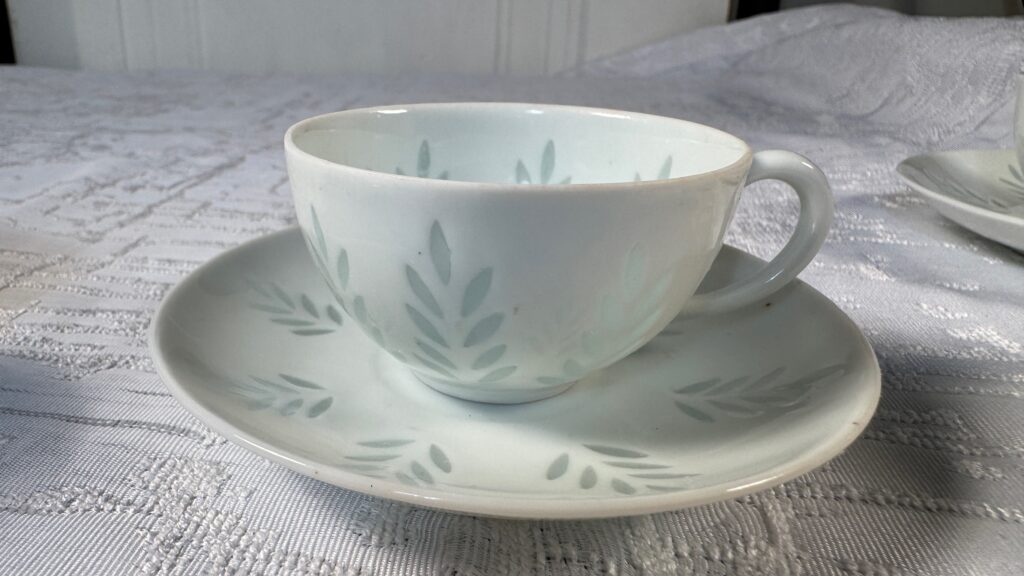
The technique involved carefully cutting tiny elongated openings into unfired porcelain. During glazing, these openings filled with translucent glaze. Once fired, the result was a magical effect: delicate windows of light scattered across the surface like grains of rice. When held up to a lamp or sunlight, the porcelain seemed almost ethereal.

Arabia finally introduced Holzer-Kjellberg’s rice porcelain in 1942, and collectors immediately fell in love with it. Despite being labor-intensive and expensive to produce, demand remained strong for decades. Arabia continued manufacturing rice porcelain designs until 1974.

Why Rice Porcelain Is So Special

Few ceramic techniques combine technical mastery and visual beauty as successfully as rice porcelain. Every piece required extraordinary handwork. The perforations had to be cut individually, glazed perfectly, and fired without distortion. Even a minor mistake could ruin an entire piece.

Collectors often describe the effect as “lace in porcelain.” The pieces appear solid from a distance, but light reveals a hidden pattern of translucent decoration that gives them an almost jewel-like quality.

Today, vintage Arabia rice porcelain remains one of the most sought-after categories of Finnish ceramics. Bowls, vases, cups, saucers, and decorative objects regularly command premium prices in the Scandinavian design market.

Beyond Rice Porcelain

Although rice porcelain made her famous, Friedl Holzer-Kjellberg was far more versatile than many collectors realize.

She experimented extensively with glazes, particularly rich oxblood reds, copper reds, turquoise blues, and peacock tones. These dramatic colors contrasted sharply with the delicate white elegance of her rice porcelain work. She collaborated closely with Arabia’s technical department to develop unique glaze formulas and firing methods.

Her larger art pottery pieces—often bold bowls, vases, and sculptural forms—demonstrate a mastery of ceramic chemistry that rivals her better-known porcelain creations. Serious collectors increasingly seek these works as awareness grows beyond the rice porcelain tradition.

International Recognition

Holzer-Kjellberg’s talent received international attention throughout her career. Her work appeared in major exhibitions in Barcelona, Brussels, and Paris. She earned medals at the Milan Triennale and received Finland’s prestigious Pro Finlandia Medal in 1962. Her work entered museum collections throughout Europe, including the British Museum.

Today her pieces can be found in important museum collections across Scandinavia, Germany, Switzerland, the Netherlands, and the United Kingdom, confirming her position among the most significant ceramic artists of the twentieth century.

Collecting Arabia and Friedl Holzer-Kjellberg Today

For collectors, Arabia offers an exciting journey through the history of Scandinavian design. While names like Kaj Franck and Birger Kaipiainen remain widely recognized, Friedl Holzer-Kjellberg’s work possesses a unique appeal because it combines artistry, technical innovation, and rarity.

When examining a piece, collectors often look for marks including “Arabia,” “Finland,” and the initials “FHK,” which are commonly associated with Holzer-Kjellberg’s production. Rice porcelain pieces are especially prized when free from chips, cracks, or repairs because their delicate construction makes survival in pristine condition increasingly uncommon.

For many enthusiasts, owning a Friedl Holzer-Kjellberg piece is more than acquiring beautiful porcelain—it is preserving a chapter of Finnish design history.

A Lasting Legacy

Nearly a century after she first joined Arabia, Friedl Holzer-Kjellberg remains one of the defining figures of Finnish ceramics. Her rice porcelain transformed an ancient Chinese technique into a distinctly Scandinavian art form, demonstrating that innovation often begins with respect for tradition.

In a world increasingly dominated by mass production, her work reminds us of the extraordinary beauty that can emerge when patience, craftsmanship, and artistic vision come together. Whether displayed in a museum, a curated collection, or a carefully chosen home interior, Arabia rice porcelain continues to captivate collectors with the same luminous elegance that first enchanted audiences in the 1940s.

For lovers of Scandinavian design, Friedl Holzer-Kjellberg’s creations are not merely ceramics—they are light captured in porcelain.

Blog Post

Egyptian Revival: The Ancient Civilization That Never Truly Went Out of Style

For more than 3,000 years, the monuments of ancient Egypt have inspired awe, fascination, and artistic imitation. Yet no period embraced Egypt’s visual language quite as enthusiastically as the Egyptian Revival movement. From the grand discoveries of archaeologists to the glamorous interiors of the Art Deco era, Egyptian motifs repeatedly resurfaced in decorative arts, architecture, jewelry, furniture, and sculpture. Today, collectors continue to seek out Egyptian Revival objects for their striking symbolism, exotic beauty, and historical significance.

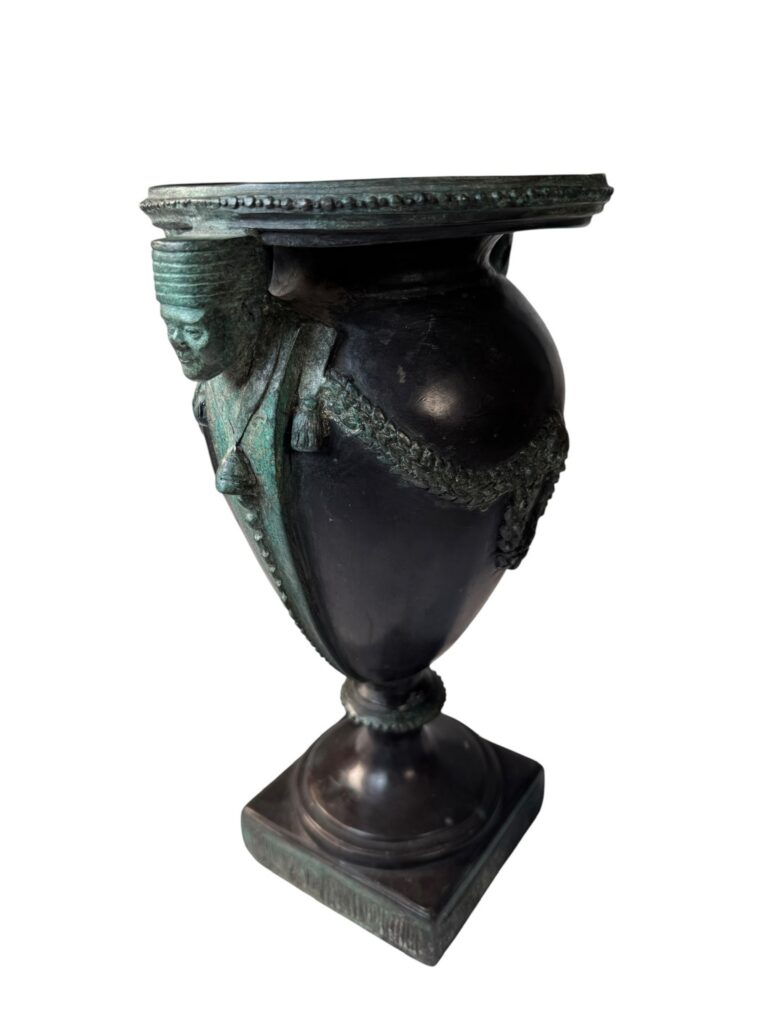
An Egyptian Revival Bronze Urn with Figural Pharaoh Heads & Laurel Swags, dating to approximately 1925–1935, is a perfect example of how ancient motifs were reimagined through the sophisticated lens of the Art Deco period. To fully appreciate such a piece, it is worth exploring the remarkable history of Egyptian Revival and why it continues to captivate collectors over two centuries after it first emerged.

The Origins of Egyptian Revival

The roots of Egyptian Revival can be traced back to the late eighteenth century when European fascination with ancient Egypt intensified dramatically. While travelers had long returned from Egypt with stories and sketches of pyramids, temples, and colossal statues, the movement gained unprecedented momentum following the Egyptian campaign of Napoleon Bonaparte in 1798.

Alongside soldiers, Napoleon brought scientists, artists, architects, and scholars who meticulously documented Egypt’s monuments. Their findings were later published in the monumental work Description de l’Égypte, introducing Europe to a visual world unlike anything previously encountered.

Suddenly, sphinxes, obelisks, lotus flowers, scarabs, and hieroglyphs became fashionable decorative elements. Architects incorporated Egyptian-inspired forms into cemeteries, monuments, and public buildings. Furniture makers adapted ancient motifs into tables, chairs, and cabinets. Jewelers created scarab-inspired ornaments, while artists drew inspiration from Egyptian mythology and symbolism.

The Discovery That Changed Everything

Although Egyptian Revival enjoyed several waves of popularity throughout the nineteenth century, no event influenced the movement more than the discovery of the tomb of Tutankhamun in 1922.

British archaeologist Howard Carter uncovered one of the greatest archaeological finds in history when he opened the nearly intact royal tomb in the Valley of the Kings. Newspapers around the world reported the discovery in extraordinary detail. Photographs of gold treasures, ceremonial furniture, jewelry, chariots, and funerary objects appeared in magazines and newspapers across Europe and America.

The public became obsessed.

Egyptian-inspired fashions swept through society almost overnight. Jewelry designers incorporated scarabs and winged motifs. Interior decorators embraced geometric patterns inspired by temple architecture. Architects added Egyptian details to theaters, office buildings, and private homes. Manufacturers produced everything from lamps and clocks to cigarette cases featuring Egyptian themes.

This renewed fascination coincided perfectly with the rise of the Art Deco movement, creating one of the most distinctive decorative styles of the twentieth century.

Egyptian Revival Meets Art Deco

The Art Deco period, generally spanning the 1920s through the 1930s, emphasized elegance, geometry, luxury, and modernity. Designers sought inspiration from a variety of sources including ancient civilizations, exotic cultures, and emerging technologies.

Egyptian motifs fit naturally within the Art Deco aesthetic.

The strong geometric forms found in Egyptian architecture translated beautifully into Art Deco design. The symmetry of temple facades, the stylized forms of pharaohs, and the repetitive patterns of hieroglyphics complemented Deco’s preference for order and balance.

Designers frequently incorporated:

  • Pharaoh heads
  • Sphinxes
  • Obelisks
  • Lotus blossoms
  • Winged sun disks
  • Cobras
  • Scarabs
  • Pyramidal forms
  • Papyrus motifs
  • Hieroglyphic-inspired decoration

These elements appeared in furniture, lighting, sculpture, metalwork, ceramics, textiles, and architectural ornament.

Rather than creating exact reproductions of ancient artifacts, Art Deco designers modernized Egyptian imagery. Ancient forms became cleaner, more stylized, and more geometric, resulting in objects that felt simultaneously historic and contemporary.

The Symbolism of the Pharaoh

Among all Egyptian motifs, none proved more enduring than the image of the pharaoh.

Ancient Egyptian rulers were viewed as both kings and divine figures. They represented authority, stability, prosperity, and connection to the gods. Their iconic headdresses and idealized facial features became instantly recognizable symbols of Egypt itself.

During the Egyptian Revival period, pharaoh heads frequently appeared on decorative objects including:

  • Urns
  • Vases
  • Lamps
  • Bookends
  • Mantel garnitures
  • Architectural elements
  • Furniture mounts

These figures lent an air of mystery and grandeur to otherwise conventional decorative objects.

A bronze urn featuring figural pharaoh heads would have projected sophistication and worldly taste while simultaneously reflecting the owner’s awareness of contemporary design trends.

Bronze and the Egyptian Revival Style

Bronze was one of the preferred materials for high-quality Egyptian Revival decorative arts.

Its durability, rich coloration, and ability to capture intricate detail made it ideal for reproducing sculptural motifs. Bronze also carried historical associations with ancient civilizations, further enhancing the authenticity and prestige of Egyptian-inspired objects.

During the 1920s and 1930s, foundries produced a wide variety of Egyptian Revival bronzes ranging from monumental sculptures to elegant tabletop accessories.

Many featured:

  • Deep brown patinas
  • Verdigris accents
  • Gilded highlights
  • Architectural forms
  • Stylized figural elements

The combination of bronze construction and Egyptian iconography created objects that felt timeless and luxurious.

Laurel Swags: A Classical Influence

Interestingly, many Egyptian Revival objects incorporated motifs borrowed from other ancient cultures.

Laurel swags, for example, originate primarily from ancient Greece and Rome rather than Egypt. In decorative arts, they symbolize victory, honor, achievement, and prestige.

Designers of the Art Deco era frequently blended influences from multiple civilizations, creating hybrid works that appealed to contemporary tastes.

A bronze urn featuring both pharaoh heads and laurel swags demonstrates this fascinating cross-cultural approach. While the pharaoh evokes the mystique of ancient Egypt, the laurel introduces classical elegance, resulting in a sophisticated decorative object that transcends strict historical accuracy.

This blending of styles is one of the hallmarks of Art Deco design.

Egyptian Revival in American Homes

By the late 1920s, Egyptian Revival had become firmly established in American decorative arts.

Department stores sold Egyptian-inspired furnishings. Movie palaces incorporated monumental Egyptian architecture into their facades. Designers created entire room schemes based on the latest archaeological discoveries.

Wealthy homeowners often displayed Egyptian Revival objects as symbols of sophistication and cultural awareness.

Decorative urns were especially popular because they combined artistic beauty with practical versatility. They could serve as:

  • Mantel decorations
  • Centerpieces
  • Console table accents
  • Architectural focal points
  • Companion pieces in formal interiors

Their sculptural qualities allowed them to function as works of art even when not holding flowers or other decorative arrangements.

Collecting Egyptian Revival Today

Interest in Egyptian Revival remains strong among collectors.

Several factors contribute to the enduring appeal of these pieces:

Historical Significance

Egyptian Revival objects capture a specific cultural moment when archaeology, art, fashion, and design intersected in fascinating ways.

Artistic Merit

The best examples demonstrate exceptional craftsmanship and imaginative reinterpretation of ancient motifs.

Decorative Impact

Egyptian Revival objects possess a dramatic visual presence that works surprisingly well in both traditional and contemporary interiors.

Connection to Art Deco

Because many Egyptian Revival pieces were produced during the Art Deco era, they appeal to collectors of both categories.

Relative Rarity

Fine bronze examples featuring complex figural decoration are becoming increasingly difficult to locate, particularly in well-preserved condition.

Decorating with Egyptian Revival

One of the pleasures of collecting Egyptian Revival objects is their versatility.

A bronze urn with pharaoh heads can complement:

  • Art Deco interiors
  • Neoclassical spaces
  • Hollywood Regency décor
  • Eclectic collector interiors
  • Contemporary minimalist settings

Placed on a mantel, console table, or library shelf, such a piece immediately becomes a conversation starter.

Its strong sculptural form creates visual interest while its historical references invite curiosity and discussion.

Why Egyptian Revival Endures

Few decorative styles have enjoyed the longevity of Egyptian Revival.

Part of its enduring appeal lies in the timeless nature of its source material. The pyramids, temples, and monuments of ancient Egypt continue to inspire wonder thousands of years after their construction.

At the same time, Egyptian Revival reflects humanity’s ongoing fascination with mystery, discovery, and the ancient world.

Whether viewed through the lens of nineteenth-century archaeology, Jazz Age glamour, or modern collecting, Egyptian-inspired decorative arts remain remarkably compelling.

An Egyptian Revival Bronze Urn with Figural Pharaoh Heads & Laurel Swags, Art Deco Period c. 1925–1935, embodies all of these qualities. It serves not only as a beautiful decorative object but also as a tangible reminder of one of the most influential design movements of the twentieth century—a period when the treasures of ancient Egypt captured the imagination of the modern world and transformed the decorative arts forever.

For today’s collector, such a piece represents far more than bronze and ornamentation. It is a celebration of history, craftsmanship, archaeology, and timeless design—an elegant bridge connecting the ancient world with the sophisticated aesthetics of the Art Deco age.