 (248) 617-7717
 mona@artandbeautifulthings.com




- 80s
- Art
- Abstract
- Art Deco
- Atomic
- Brutalist
- Ceramics & Pottery
- China & Porcelain
- Collectibles
- Decor
- Delightfully Kitschy
- Fashion
- Folk
- Fun
- Furniture
- Glass
- Gothic
- Holiday
- Historical Significance
- Hollywood Regency
- Industrial
- Kitchen
- Lighting
- Metal
- Mid Century
- Mid Century Modern
- Modern
- Off The Wall
- Old World
- Pop Art
- Primitive
- Rustic
- Salvage
- The Beauty Of Asia
- The Beauty of All Europe
- The Beauty of Canada
- The Beauty of France
- The Beauty of Italy
- The Beauty of Scandinavia
- The Beauty of the UK
- The Classics
- Whimsical
Baccarat Glass: A Legacy of Crystal Brilliance and Timeless Elegance

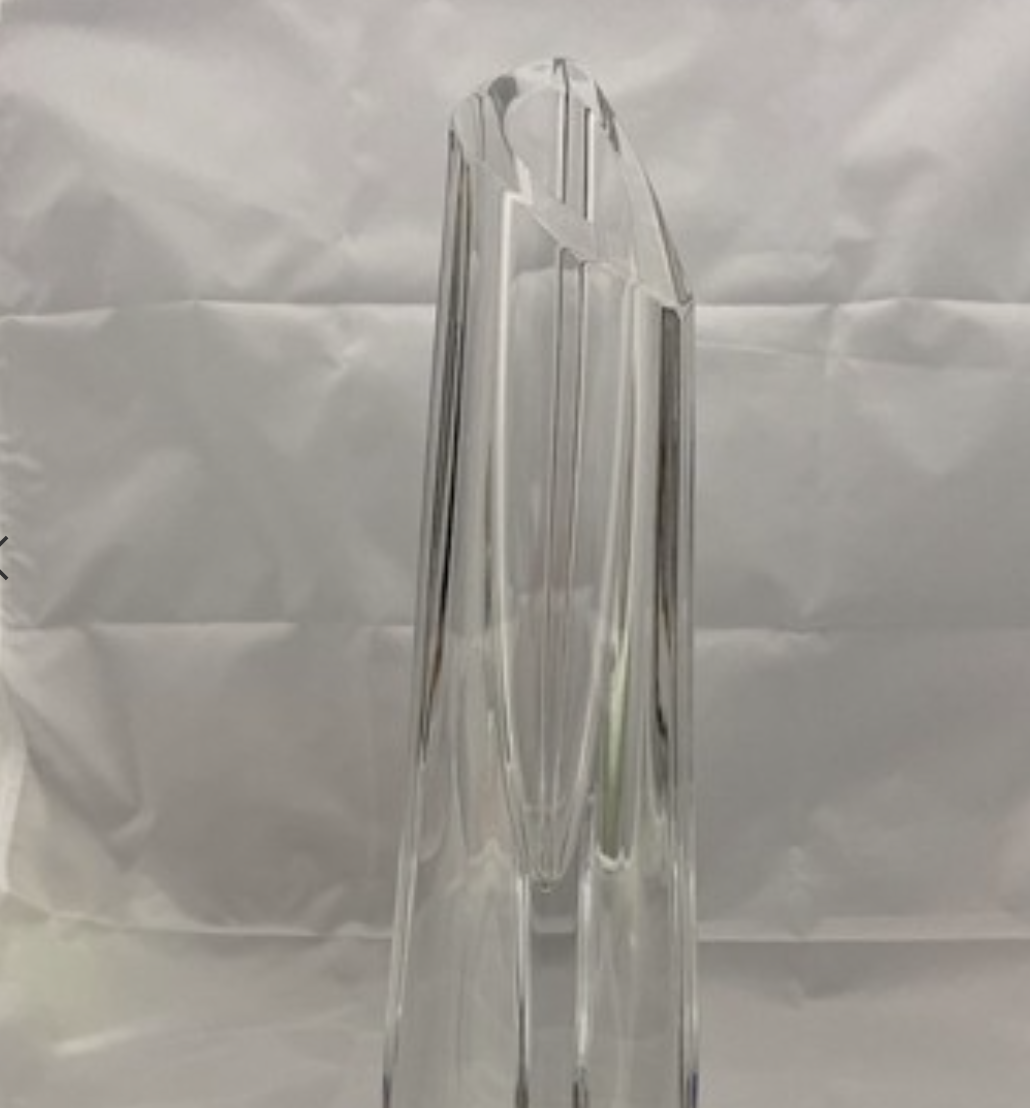
In the world of fine crystal, few names command as much reverence as Baccarat. For over two centuries, Baccarat has stood as a symbol of elegance, luxury, and unparalleled craftsmanship. From royal courts to modern-day collectors, Baccarat glass has been cherished not just as functional objects but as enduring works of art.
This blog post dives deep into the history of Baccarat glass, exploring its origins, its rise to international fame, and the reasons why it continues to captivate collectors, designers, and luxury enthusiasts today.
The Birth of Baccarat: Origins in Eastern France
The story of Baccarat begins in the quiet village of Baccarat, nestled in the Lorraine region of northeastern France. In 1764, King Louis XV granted permission to establish a glassworks factory in the region. The aim was to stimulate the local economy, particularly after years of war had left the area impoverished.
The factory was founded by Bishop Louis-Joseph de Montmorency-Laval, and originally produced window panes, mirrors, and stemware. It wasn’t until the early 19th century that Baccarat transitioned to producing the fine lead crystalit is now renowned for.
By 1816, Baccarat had installed its first crystal furnace, a pivotal moment that transformed the brand from a local operation into a future global icon. From there, Baccarat began perfecting the production of clear crystal, eventually experimenting with colored crystal, cut patterns, gilding, and engraving techniques that would define the brand’s luxurious style.
Rise to Fame: Royal Patronage and International Recognition
Baccarat’s reputation quickly grew during the 19th century, particularly when it began winning medals at major international exhibitions. One of the company’s turning points came at the Exposition des Produits de l’Industrie Française in 1823, where Baccarat received its first gold medal.
Soon after, royalty and aristocracy took notice.
- King Louis XVIII, Tsar Nicholas II of Russia, Emperor Napoleon III, and the Maharajas of India became patrons.
- Baccarat received numerous royal commissions, producing exquisite crystal sets for palaces and courts around the world.
By the mid-1800s, Baccarat had earned its reputation as the glassmaker of kings. The brand became synonymous with sophistication, its designs blending meticulous French craftsmanship with timeless aesthetics. The demand wasn’t just in Europe; Baccarat pieces were exported across Asia, the Middle East, and the Americas.
Artistry and Craftsmanship
What sets Baccarat apart from other glassmakers is its commitment to traditional artisanal methods. Each piece of Baccarat crystal is the result of extraordinary skill, often requiring years of training and decades of experience.
Some notable aspects of Baccarat’s craftsmanship include:
- Hand-blowing: Skilled artisans shape molten crystal into elegant forms using only their breath, tools, and muscle memory.
- Cutting and Engraving: Baccarat crystal is famed for its deep cuts and complex geometric patterns, often done by hand with diamond-tipped tools.
- Color Infusion: While clear crystal is the signature look, Baccarat also developed mastery over colored crystal, producing vibrant reds, blues, greens, and golds.
- Gilding and Etching: Many Baccarat items are decorated with delicate gold or platinum leaf, applied by hand.
Each object undergoes rigorous quality control, and only those that meet Baccarat’s exacting standards bear the brand’s signature.
Iconic Creations Through the Ages
Over the centuries, Baccarat has produced an astounding array of masterpieces. Some of the most iconic include:
- The Harcourt Glass (1841): Perhaps Baccarat’s most famous stemware collection, originally commissioned by King Louis-Philippe. It features a hexagonal foot and a beveled bowl, combining functionality with imperial grandeur.
- The Zenith Chandelier: A dazzling feat of design, the Zenith chandelier features layers of crystal drops, prisms, and arms, refracting light in every direction. Found in palaces, embassies, and five-star hotels, it epitomizes Baccarat’s opulence.
- Crystal Animal Figurines: These whimsical yet precise creations became especially popular in the 20th century and showcased Baccarat’s versatility.
- Perfume Bottles: Baccarat collaborated with top fragrance houses like Guerlain, Dior, and Chanel to produce luxurious crystal perfume bottles—many of which are collector’s items today.
Baccarat in the 20th and 21st Centuries
As tastes evolved in the 20th century, Baccarat embraced modern design movements, working with a new generation of artists and designers. It adapted its classic elegance to contemporary trends without sacrificing quality.
In the 1990s and 2000s, Baccarat expanded into boutiques and flagship stores around the globe. From Paris to Tokyo to New York, Baccarat became not only a producer of fine crystal but also a lifestyle brand. It began offering:
- Crystal jewelry
- Luxury tableware
- Barware collections
- Home décor
Collaborations with contemporary designers like Philippe Starck, Jaime Hayon, and Arik Levy pushed the boundaries of what crystal could be—melding traditional craftsmanship with bold, avant-garde vision.
In 2003, Baccarat even opened its own luxury hotel in Paris: Maison Baccarat, a glamorous space that doubles as a showroom for its most iconic collections.
Baccarat Today: A Symbol of Enduring Luxury
Today, Baccarat continues to symbolize prestige, refinement, and innovation. The company remains committed to its roots in Lorraine, France, where its original factory still operates and trains future generations of glass artisans.
As the brand moves into the future, it continues to celebrate its legacy with limited-edition collections, custom commissions, and collaborations with luxury houses. Baccarat glass is still gifted by heads of state, used in Michelin-starred restaurants, and displayed in museums and private collections.
Moreover, Baccarat pieces have become increasingly popular in auction houses, with some antique items fetching six-figure sums. These aren’t just luxury goods—they’re part of art history.