 (248) 617-7717
 mona@artandbeautifulthings.com




- 80s
- Art
- Abstract
- Art Deco
- Atomic
- Brutalist
- Ceramics & Pottery
- China & Porcelain
- Collectibles
- Decor
- Delightfully Kitschy
- Fashion
- Folk
- Fun
- Furniture
- Glass
- Gothic
- Holiday
- Historical Significance
- Hollywood Regency
- Industrial
- Kitchen
- Lighting
- Metal
- Mid Century
- Mid Century Modern
- Modern
- Off The Wall
- Old World
- Pop Art
- Primitive
- Rustic
- Salvage
- The Beauty Of Asia
- The Beauty of All Europe
- The Beauty of Canada
- The Beauty of France
- The Beauty of Italy
- The Beauty of Scandinavia
- The Beauty of the UK
- The Classics
- Whimsical
Part 2: Key Artistic Movements in Murano Glass

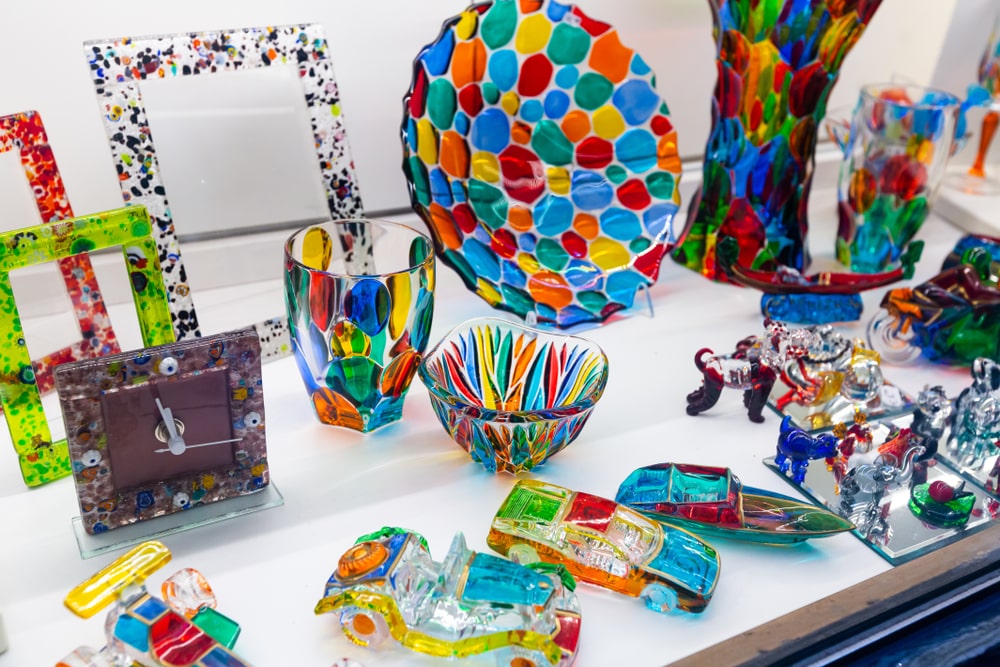
Murano glass has a rich history, evolving alongside cultural shifts, changing tastes, and new technologies. Over the centuries, several artistic movements have shaped the glassmaking techniques and designs that continue to define Murano glass today.
One of the first milestones in Murano’s artistic revolution came in the 15th century with the introduction of cristallo, a clear, transparent glass that changed the world of Venetian glassmaking. Angelo Barovier’s invention of cristallo in the 1450s allowed artisans to create delicate, translucent pieces that were both functional and beautiful. This marked Murano glass as a luxury commodity prized by European royalty.
The Renaissance period further elevated Murano’s craft with intricate glass mosaics and decorative pieces that echoed the era’s artistic brilliance. During this time, Murano glassmakers began experimenting with a wider range of colors and techniques, such as gold leaf and glass-encrusted jewels, which added layers of opulence to their work.
As the centuries progressed, the Baroque, Rococo, and Art Nouveau movements left their mark on Murano glass. In the 19th century, figures like Antonio Salviati helped revive the craft with modernized designs that attracted a new generation of collectors and artists. Even in the 20th century, contemporary glassmakers, like the legendary Venini company, experimented with bold forms, patterns, and styles, creating the cutting-edge glasswork we know today.