(248) 617-7717
 mona@artandbeautifulthings.com




- 80s
- Art
- Abstract
- Art Deco
- Atomic
- Brutalist
- Ceramics & Pottery
- China & Porcelain
- Collectibles
- Decor
- Delightfully Kitschy
- Fashion
- Folk
- Fun
- Furniture
- Glass
- Gothic
- Holiday
- Historical Significance
- Hollywood Regency
- Industrial
- Kitchen
- Lighting
- Metal
- Mid Century
- Mid Century Modern
- Modern
- Off The Wall
- Old World
- Pop Art
- Primitive
- Rustic
- Salvage
- The Beauty Of Asia
- The Beauty of All Europe
- The Beauty of Canada
- The Beauty of France
- The Beauty of Italy
- The Beauty of Scandinavia
- The Beauty of the UK
- The Classics
- Whimsical
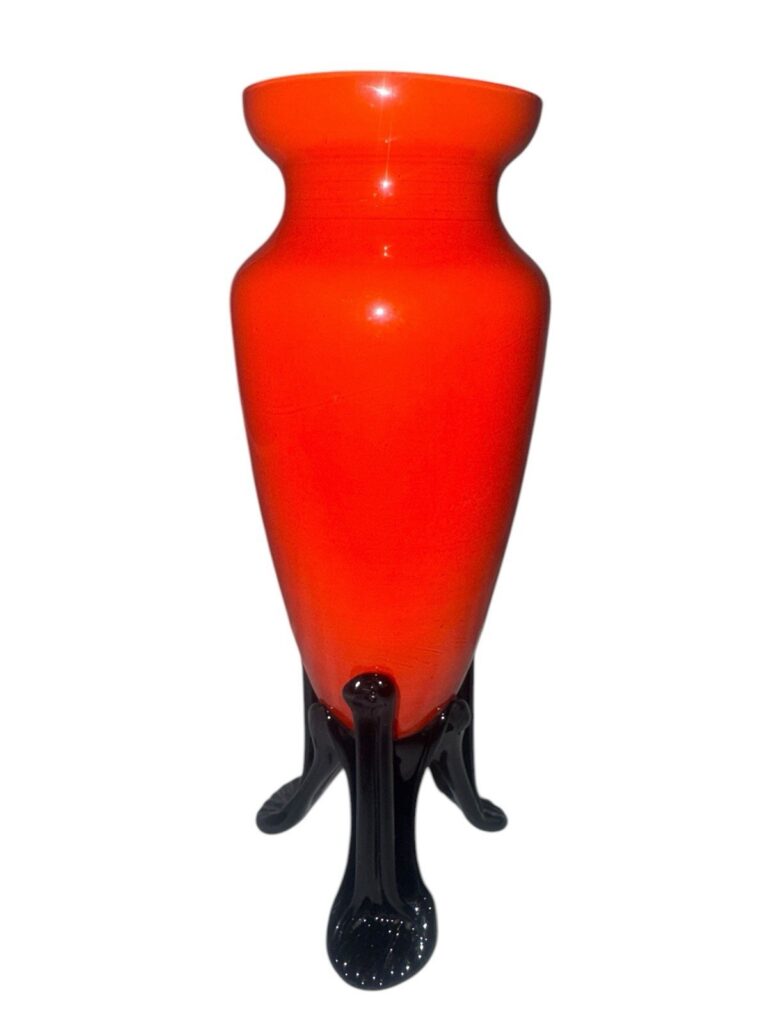
Loetz Glass: The Legacy of Bohemian Art Glass and Michael Powolny

or collectors and enthusiasts of European art glass, Loetz represents one of the pinnacles of innovation, elegance, and artistic expression. Founded in the late 19th century in Bohemia, now part of the Czech Republic, Loetz glassworks quickly became synonymous with pioneering techniques, colorful iridescence, and sophisticated design. Over the decades, Loetz collaborated with some of the most talented artists of the period, including the influential Michael Powolny, whose contributions helped shape both functional and decorative glass in the early 20th century.
Loetz’s prominence grew alongside the rise of the Art Nouveau movement, which emphasized organic forms, flowing lines, and natural motifs. The company became renowned for its iridescent glass, including the famous Papillon, Phänomen, and Prismen series, each displaying a mastery of color, texture, and light that captivated collectors across Europe and beyond. Loetz glass is celebrated not only for its visual beauty but also for the technical innovations it introduced, such as thin-walled glass, acid etching, and complex iridescent finishes.
Michael Powolny: Sculptor, Designer, and Visionary
Michael Powolny (1871–1954), an Austrian sculptor and designer, played a crucial role in elevating functional art during the early 20th century. While primarily recognized for his ceramic and sculptural work, Powolny also collaborated with European glass manufacturers, including Loetz, to create exquisite decorative pieces. His designs often blended sculptural form with practical function, reflecting the philosophy that art should be integrated into daily life.
At Loetz, Powolny contributed designs that emphasized geometric precision, flowing organic motifs, and refined surface decoration. His pieces demonstrate a balance between artistry and technical mastery, characteristics that collectors prize highly today. Powolny’s influence extended beyond individual objects; his approach encouraged other designers at Loetz to experiment with form, color, and texture, contributing to the company’s reputation as a center for avant-garde glass innovation.
Loetz Glass Techniques and Collectibility
Loetz glass is renowned for several innovative techniques, many of which contributed to its collectible status among enthusiasts of Art Nouveau, Jugendstil, and early Modernist glass. These techniques include:
-
Iridescence: Loetz perfected a method for producing shimmering, color-shifting surfaces, often with subtle metallic reflections, creating dynamic visual effects in every piece.
-
Pulled Feather and Pulled Thread Patterns: These delicate techniques required precise control of molten glass, resulting in intricate linear or feathered motifs across vases and bowls.
-
Etched and Molded Forms: Loetz combined mold-blown shapes with acid etching or engraved decoration, producing pieces with depth, texture, and artistic sophistication.
Collectors are drawn to Loetz glass for its historical significance, technical innovation, and artistic beauty. Early 20th-century pieces, particularly those designed or influenced by Powolny and his contemporaries, are especially sought after, often commanding premium prices at auctions and in galleries. Each piece embodies both the skill of the glassmaker and the artistic vision of the designer, creating objects that are functional, decorative, and historically significant.
Iconic Artists and Series
While Michael Powolny played a pivotal role, Loetz also collaborated with or inspired other notable designers and artists, further cementing its place in the history of European glass. Key series such as Papillon, Phänomen, and Prismen reflect the company’s experimentation with color, iridescence, and naturalistic motifs, while artists like Adolf Loos, Josef Hoffmann, and others contributed to its aesthetic legacy.
The Papillon series, known for its butterfly-like patterns and shimmering surfaces, exemplifies the union of technical mastery and artistic vision. Similarly, Prismen vases, with their prism-like optical effects, demonstrate Loetz’s commitment to experimentation and innovation. Collectors value these pieces not only for their beauty but also for their connection to a historic artistic movement, making them highly desirable additions to any serious art glass collection.
Loetz Glass in Modern Collecting
Today, Loetz glass remains highly collectible and continues to inspire contemporary collectors. Its works are frequently featured in museum collections, high-end galleries, and private collections, celebrated for their timeless elegance, technical sophistication, and artistic merit. Collectors appreciate the range of forms, colors, and finishes, from subtle iridescent bowls to bold sculptural vases, each representing the mastery of early 20th-century Bohemian glassmaking.
Owning a Loetz piece — particularly one associated with Michael Powolny — is more than acquiring a decorative object. It is a connection to European art history, technical innovation, and the visionary designers who shaped modern glass. Collectors value these objects not only for their aesthetic qualities but also for their historical provenance, rarity, and the way they embody the artistic spirit of a bygone era.
Conclusion
Loetz glass stands as a testament to the brilliance of Bohemian artistry, technical innovation, and visionary design. Artists like Michael Powolny helped define the studio’s unique style, blending functionality with sculptural beauty and establishing Loetz as a central figure in the European art glass movement. Today, collectors treasure these pieces for their iridescent colors, innovative techniques, and historical significance, making Loetz a cornerstone of mid-century and Art Nouveau glass collecting.
Whether admired for Powolny’s sculptural designs, Loetz’s iconic series, or the technical mastery embedded in each piece, Loetz glass remains a timeless symbol of elegance, creativity, and collectible artistry, bridging centuries of European craft and modern design.