 (248) 617-7717
 mona@artandbeautifulthings.com




- 80s
- Art
- Abstract
- Art Deco
- Atomic
- Brutalist
- Ceramics & Pottery
- China & Porcelain
- Collectibles
- Decor
- Delightfully Kitschy
- Fashion
- Folk
- Fun
- Furniture
- Glass
- Gothic
- Holiday
- Historical Significance
- Hollywood Regency
- Industrial
- Kitchen
- Lighting
- Metal
- Mid Century
- Mid Century Modern
- Modern
- Off The Wall
- Old World
- Pop Art
- Primitive
- Rustic
- Salvage
- The Beauty Of Asia
- The Beauty of All Europe
- The Beauty of Canada
- The Beauty of France
- The Beauty of Italy
- The Beauty of Scandinavia
- The Beauty of the UK
- The Classics
- Whimsical
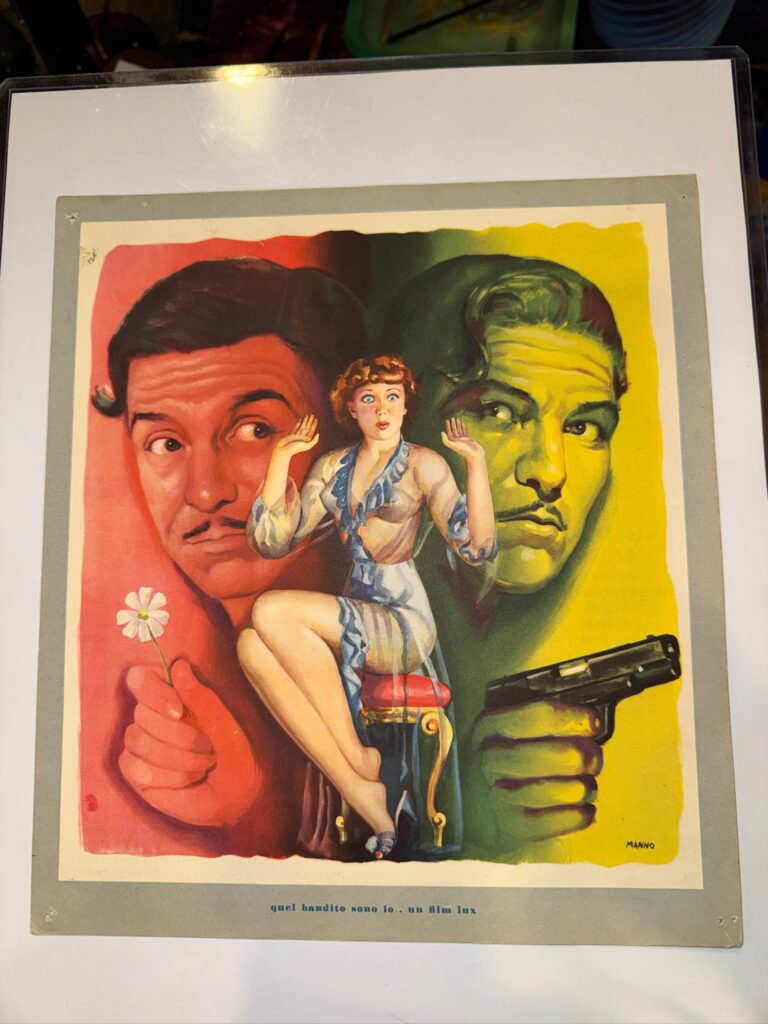
Lux Film: The Italian Studio Behind the Golden Age of Postwar Cinema

Lux Film: The Studio That Helped Shape Italian Cinema
When discussing the great film studios of the twentieth century, Hollywood giants such as MGM, Paramount, and Warner Brothers often dominate the conversation. Yet in Europe, few studios had a greater impact on the development of postwar cinema than Lux Film, the Italian production and distribution company responsible for helping establish Italy as one of the world’s leading centers of filmmaking.
Founded in 1934 by businessman and patron of the arts Riccardo Gualino, Lux Film began as a distributor of international motion pictures. Over the following decades, the company evolved into one of the most important production houses in Europe, financing and distributing films that would influence generations of directors, actors, and producers.
Today, Lux Film is remembered not only for the films it produced but also for its role in fostering some of the greatest talents in Italian cinema and helping define the artistic movement known as Italian Neorealism.
A Vision Beyond Entertainment
Riccardo Gualino was not merely a businessman. He was a passionate supporter of the arts whose interests included architecture, theater, music, and film. His vision for Lux Film extended beyond commercial success.
Rather than focusing solely on mass-market entertainment, Lux Film sought to elevate cinema as an art form. The company supported filmmakers who were willing to explore social issues, human struggles, and contemporary realities. This philosophy would become increasingly important during the difficult years surrounding World War II and the rebuilding period that followed.
By the late 1940s, Lux Film had become one of the most respected names in European cinema.
The Rise of Italian Neorealism
Following World War II, Italian filmmakers began moving away from the glamorous studio productions of earlier decades. Instead, they turned their cameras toward ordinary people and everyday life.
This movement became known as Italian Neorealism.
Films often featured:
- Working-class characters
- Real-world locations
- Social commentary
- Economic struggles
- Authentic human experiences
Lux Film became one of the major supporters of this cinematic revolution.
While the company balanced artistic and commercial interests, it consistently backed projects that reflected the changing realities of postwar Europe. Through its financing and distribution network, Lux Film helped bring these stories to audiences both in Italy and around the world.
Launching Legendary Careers
One of Lux Film’s greatest contributions was its role in nurturing future giants of the film industry.
Among those who gained valuable experience through Lux Film were:
- Dino De Laurentiis
- Carlo Ponti
- Numerous directors, writers, and actors who would later achieve international recognition
Both De Laurentiis and Ponti would eventually become two of the most influential producers in cinema history, working with acclaimed directors and bringing Italian filmmaking to a global audience.
The success of these individuals reflects Lux Film’s remarkable ability to identify talent and support ambitious creative projects.
International Success
During the late 1940s and 1950s, Lux Film expanded beyond domestic productions and became a major force in international film distribution.
The company was instrumental in bringing Italian films to foreign markets while also introducing international productions to Italian audiences.
This exchange of artistic ideas helped strengthen cultural ties between Europe and the rest of the world during a period of rebuilding and renewal.
Lux Film’s productions frequently appeared at major film festivals and attracted critical attention from audiences far beyond Italy’s borders.
Artistic Excellence and Innovation
Unlike many studios that focused primarily on profitability, Lux Film developed a reputation for combining artistic quality with commercial viability.
Its productions often featured:
- Exceptional cinematography
- Strong literary influences
- Thoughtful storytelling
- Innovative directing techniques
- High production values
The studio’s commitment to quality helped establish Italian cinema as a serious artistic force during the mid-twentieth century.
Many historians view Lux Film as one of the organizations that bridged the gap between traditional studio filmmaking and the more director-driven cinema that would emerge in later decades.
The Golden Age of European Cinema
The late 1940s and 1950s are often referred to as a golden age for European filmmaking.
During this period, audiences embraced films that explored complex themes and reflected genuine human experiences. Lux Film stood at the center of this movement.
Its productions helped demonstrate that cinema could be both commercially successful and artistically meaningful.
This influence extended far beyond Italy. Directors in France, Britain, Germany, and even the United States studied Italian filmmaking techniques and storytelling methods pioneered during this era.
Why Lux Film Matters Today
For film historians and collectors, Lux Film represents one of the defining institutions of postwar European culture.
The company’s legacy lives on through:
- Historic film productions
- Vintage promotional materials
- Original film posters
- Studio photographs
- Distribution catalogs
- Archival documents
Collectors particularly value surviving Lux Film materials because they document an extraordinary period when cinema was rapidly evolving into one of the world’s most influential art forms.
These pieces provide a direct connection to an era that transformed the way films were made, distributed, and experienced.
A Lasting Legacy
While Lux Film eventually faded as the economics of filmmaking changed, its impact remains undeniable.
The company helped launch careers, champion artistic innovation, and bring Italian cinema to an international audience. More importantly, it proved that film could be a powerful medium for exploring real life, human emotion, and social change.
Nearly a century after its founding, Lux Film remains a symbol of one of the most creative and influential periods in cinematic history—a studio whose contributions helped shape the modern language of film itself.