Blog Post

The Legacy of Pilgrim Glass: Handcrafted American Art Glass from West Virginia

Few names in twentieth-century American art glass carry the warmth, craftsmanship, and sculptural beauty associated with Pilgrim Glass. Known for its richly colored hand-blown glass, dramatic forms, and dedication to traditional glassmaking techniques, Pilgrim became one of the most beloved art glass companies to emerge from the historic glassmaking region of West Virginia.

For more than fifty years, Pilgrim Glass produced a remarkable variety of collectible glass ranging from crackle glass and cranberry glass to sculptural animal figures, monumental decorative vessels, and elegant cameo glass. Today, collectors continue to seek Pilgrim pieces for their quality, artistry, and unmistakable handcrafted character.

The Origins of Pilgrim Glass

Pilgrim Glass was founded in 1949 by Alfred Knobler, a ceramics engineer and glass salesman who purchased the struggling Tri-State Glass Manufacturing Company in Huntington, West Virginia.

West Virginia had already established itself as one of America’s most important glassmaking regions thanks to its abundance of natural gas, silica, and skilled artisans. The state became home to legendary glass companies including:

  • Blenko Glass Company
  • Fostoria Glass Company
  • Seneca Glass Company
  • Viking Glass
  • Kanawha Glass

Pilgrim quickly distinguished itself within this competitive artistic environment through its emphasis on hand-blown decorative glass with strong sculptural presence. In 1956, the company moved operations to Ceredo, West Virginia, where it would continue production for decades.

Early Crackle Glass and Artistic Innovation

One of Pilgrim’s earliest and most recognizable product lines was its colorful crackle glass. This dramatic textured effect was created by plunging hot glass into cold water before reheating it, causing the surface to develop intricate crackled patterns beneath the outer finish.

Pilgrim produced crackle glass in a wide range of vivid colors and sculptural forms, many of which remain highly collectible today. The company’s crackle pieces perfectly captured the growing mid-century appreciation for expressive handcrafted decorative arts.

Unlike mass-produced industrial glassware, Pilgrim pieces possessed individuality. Variations in shape, texture, color saturation, and pontil finishing reflected the handmade nature of the work — qualities that collectors continue to value today.

Italian Glassmakers and Sculptural Glass Animals

During the 1950s, Pilgrim added another important artistic dimension to its production when Italian glassworkers Alessandro and Roberto Moretti joined the company. Their extraordinary skill in off-hand glass sculpting helped Pilgrim expand into collectible novelty animals and sculptural decorative glass.

The glass animals produced during this period became some of the company’s most beloved creations. Birds, swans, fish, cats, and other whimsical figures demonstrated remarkable fluidity and technical precision while retaining the warmth of hand-blown artistry.

These sculptural works helped establish Pilgrim’s identity as more than simply a tableware manufacturer. The company increasingly became associated with collectible art glass possessing strong decorative and sculptural appeal.

Pilgrim and Cranberry Glass

In 1968, under the direction of plant manager Karel Konrad, Pilgrim began producing cranberry glass and would eventually become the largest producer of cranberry glass in the world.

True cranberry glass is particularly difficult to produce due to the delicate chemistry involved in creating the rich ruby coloration. Traditionally made using gold compounds within the glass formula, cranberry glass has long been associated with luxury and fine decorative arts.

Pilgrim’s cranberry production ranged from elegant traditional vessels to monumental floor vases and sculptural decorative forms. The luminous coloration and exceptional clarity of Pilgrim cranberry pieces helped make them especially popular among collectors throughout the late twentieth century.

Even today, large Pilgrim cranberry vessels remain among the company’s most sought-after creations.

Cameo Glass and Artistic Expansion

By the 1980s and early 1990s, Pilgrim Glass further expanded its artistic direction through the production of cameo glass under the supervision of artists including Kelsey Murphy and Robert Bomkamp.

Cameo glass represented a significant technical and artistic achievement for the company. These works often featured acid-etched decorative imagery layered over satin-finished glass surfaces, combining sculptural depth with intricate decorative detail.

This period reflected a broader shift in American decorative arts toward collectible studio-inspired art glass with stronger artistic identity and designer attribution.

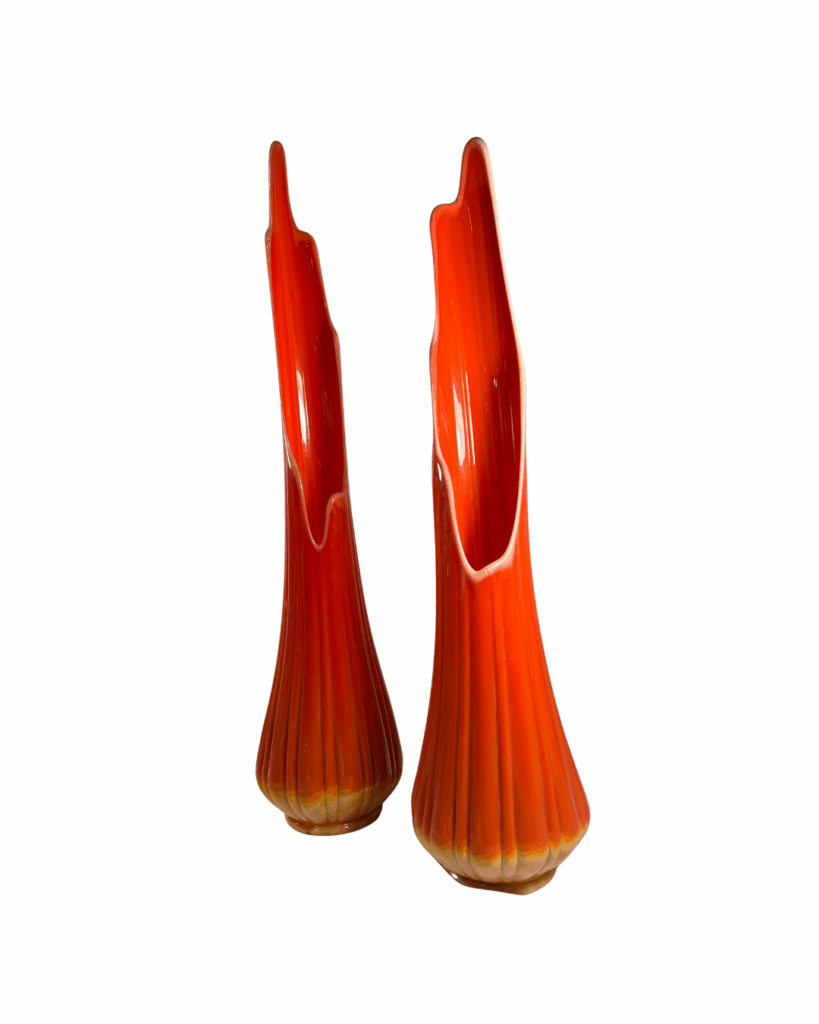
Large-scale architectural vessels, sophisticated satin finishes, and richly colored monumental forms became increasingly important within Pilgrim’s production during this era. Many of the company’s later works possess a distinctly postmodern sculptural quality that appeals strongly to collectors and interior designers today.

Monumental Art Glass and Interior Design

One reason Pilgrim Glass continues to resonate with collectors is its strong relationship to interior design. Many Pilgrim pieces were created with dramatic scale and sculptural presence intended to anchor sophisticated interiors.

Monumental floor vases, oversized bowls, towering decorative forms, and richly colored architectural vessels became especially popular during the 1980s and 1990s as designers embraced statement decorative arts.

Pilgrim’s work fit beautifully within:

  • modernist interiors
  • postmodern spaces
  • maximalist environments
  • collector-focused homes
  • luxury decorative settings

The company’s use of vibrant color, elegant form, and hand-blown craftsmanship allowed its glass to function simultaneously as decorative object and sculptural art.

Handmade American Craftsmanship

One of the enduring appeals of Pilgrim Glass lies in its commitment to handmade American craftsmanship. Each piece reflects the human touch of skilled artisans rather than industrial automation.

Collectors often appreciate:

  • hand-worked pontils
  • organic variations in form
  • subtle differences in color
  • evidence of hand-blowing
  • sculptural individuality

These characteristics give Pilgrim glass warmth and personality that machine-made decorative glass often lacks.

In an era increasingly dominated by mass production, the artistry and craftsmanship of handmade American art glass continue to gain appreciation among collectors.

The Closure of Pilgrim Glass

After more than fifty years of operation, Pilgrim Glass closed in 2002 when Alfred Knobler was unable to find a buyer for the company.

The closure marked the end of an important chapter in West Virginia glassmaking history. However, Pilgrim’s legacy continues through the many surviving works cherished by collectors today.

In fact, the company’s artistic importance has only grown with time as collectors increasingly recognize the quality and beauty of late twentieth-century American art glass.

Collecting Pilgrim Glass Today

Today, Pilgrim Glass remains highly collectible across multiple categories:

  • crackle glass
  • cranberry glass
  • cameo glass
  • animal sculptures
  • architectural vessels
  • monumental floor vases
  • sculptural decorative art glass

Collectors are particularly drawn to large-scale pieces, unusual coloration, designer-attributed works, and examples possessing strong sculptural presence.

Pilgrim’s ability to blend traditional craftsmanship with modern decorative aesthetics gives its work enduring appeal within both art glass collecting and contemporary interior design.

Ultimately, the legacy of Pilgrim Glass reflects the enduring power of handcrafted American artistry — glass that was not simply manufactured, but created with imagination, technical mastery, and unmistakable human touch.

Blog Post

Mid-Century Modern Design Movement | History, Aesthetics, and Glass Art

The Mid-Century Modern Movement: Design, Glass, and the Beauty of the Atomic Age

Introduction

The mid-century modern design movement is one of the most enduring and influential aesthetic revolutions of the twentieth century. Defined by its clean lines, organic forms, and forward-looking spirit, it reshaped how people thought about their homes, their objects, and their relationship to design itself.

Emerging in the years following World War II, the movement reflected a world ready to move forward. Designers reimagined domestic life, moving away from ornate traditions toward something lighter, more functional, and unmistakably modern.


A World Reimagined: The Origins of Mid-Century Design

https://images.openai.com/static-rsc-4/H5lzyJJIouGVLlrKtq6CWCMZCbiORNrZxCcTGVuV1O8i3fPmZYY6AOP1T3_MJW1-TKe1eOcfyDvIYlrsRCrgMBpHVR79mcrBpslG8NddyFMwr0aMFXkoFJBA9NssOydJiqAQJO_I6t2asAt5vPzXipZO5ch5NPbzNdY3PRvMlpaf3wjoMHbZdCWzyVVcENb3?purpose=fullsize
https://images.openai.com/static-rsc-4/FU2axW2O58IeDDcMa5uH5rAETLwoJPVHxT4i2g7hEXsiSUMusBysn83mZIDTnLF78NitpyMWYQrxnPiUbhmD4v0gbbP-8AExEkVneiYP1dRZZe5dOGjZ9FPC3Aum4HgYFlgmY1PC_Whdr3-PVE95g28Erll2rQwOnNb3WrWfGAQVklKAZGgv94YC7iyJuqUW?purpose=fullsize
https://images.openai.com/static-rsc-4/l1AY2ygGxsjcFvbNu4CwnGXjdca6weiDdk_kZSlKyKf60oZX5Xy6Y7IW1vDXfBOKmEUw7cpANYXecjPEfNLIVS9fJ6lFHzCINy4N40SIdRIRYelKd-2iQBG1qXJKJV7xhxKbgVcYBqzVxXfRo0i-fSn9xrxKOt6jagkjziUg8g29hAo7APVSC3j8tuyqRS4z?purpose=fullsize
7

To understand the mid-century modern movement, it is important to consider the cultural shift that followed World War II. Advances in technology and manufacturing allowed designers to create objects that were both accessible and beautifully made.

Influences from Bauhaus and Scandinavian design emphasized simplicity, craftsmanship, and the belief that good design should be available to everyone. Homes became more open and connected to nature, with large windows and minimal ornamentation.

This philosophy extended beyond architecture into furniture and decorative objects, where form and function were carefully balanced.


The Atomic Age: Designing for the Future

https://images.openai.com/static-rsc-4/yqO1psjVCBJGu8JYVjTU2FDveb65lomYFI24mtbptCDfv79AuHmt-1xNBTRmnE3aoiAZeNIXzxsL4dX3Xrbl4eWrRDGnixD8GyUFewA6y5IN2lq0eY7OxKb4ymTmqu0mRnd_s6L2YxFL0-2s6Xn1NwEjtI7ZA85Vr9g1TTCTd26i2SFRrE_QQ7GACVJOaIZx?purpose=fullsize
https://images.openai.com/static-rsc-4/tjjwFJ4gFx5p4gW7lOXzepa-nLzG9Rk3wmUllsF_raNpGM0tO1jXlPsUCOOAVi0uFFeHBh4p7Sa9FWRTz5tPVWeGJhaY5iFsIf_jAtvp5NF6kuvPDcS6UQROp33OVLkGT2ty9tdl30BrcvM7J1Kk0PwofyUtTwrFXJhYhbSaYPE_Vy805avHjfHlsZMdndE6?purpose=fullsize
https://images.openai.com/static-rsc-4/YYt5PrGirOyAg6VCvkXI8OArD-A9wIZegNleBX6B_BHZ2yhp2Hq-kBq5Qarq0fFdYJCAv1DwcuUSiH_5C7zElvQZNEqda91KmOhnN7o8YkcKmXdG4buLmMOwNTu4ZCtm1_ulVa3AY5ErGHzS-mjJqTZdWe0UUFKdcn6zkLqUq1-p9nNeOwWUu5OQufBveWTD?purpose=fullsize
6

One of the most defining influences of the mid-century modern movement was the atomic age. The 1950s and 1960s were marked by fascination with space exploration, science, and the future.

Designers embraced bold motifs such as starbursts, boomerang shapes, and abstract geometry. These forms symbolized movement, energy, and optimism.

This influence reached into every corner of design—from architecture and furniture to decorative objects and seasonal décor—bringing a sense of excitement and innovation into everyday life.


Glass as Art: Innovation and Expression

https://images.openai.com/static-rsc-4/U05vNaZmBfEhtzHWdONYwWOcr9kBHFWXDF4BxBVl_5K98c65frXMd0Fo850h5v0-ngB5WmEV01J7qdTZ8ZTv72G38pnqaoOzET1pSexGmUtR8sh1sNd5VN6ETTNg5jz_klIU0ccj6ZuSdyxD-s5RkVMF47xmURcGlowrjbVJ_zsqNZ_9ecTSps4eQlJJakWy?purpose=fullsize
https://images.openai.com/static-rsc-4/EpFs66lo-ckW2bV_m4oVGG0eOGdFFMLuKRBemcN1bsj_cY7KwqOqx-3FjyFQ1gyD-Xrw159NhENs_K4OiwAtXe7DD1Zyg8UorpwKUB8mtWpWDsa-xLjCIKr-OPQ1bahuky5GTBYST_S3_5ttQLxws0XPzkkCp9atnywb8QvXTpKYwdPseGTgM9Xo0jo1JEeI?purpose=fullsize
https://images.openai.com/static-rsc-4/awfwuX6GrUHWnHgeSbjBHOgHgI_1rK2wDay9IcVShpoAf6ODY950UxiHAfPHRkdEkQlD74wqDVPz7Lt1AFR7VRQQzaZ8bQmaFsKrVjSv_c2FTrzCGFLCF7K9n9jtZ6vvxAUxciPoUcANgIa0QKL3MaqTMK_AieBeacnUT1l1dYvIKYGPLxnx34leIszaMMZr?purpose=fullsize
7

Glass became one of the most expressive materials of the mid-century period. Artists experimented with color, transparency, and form, creating pieces that blurred the line between function and art.

Techniques such as layering, controlled bubbles, and textured finishes allowed for greater creativity. Reflective surfaces enhanced the interaction between light and object, making glass particularly dynamic within a space.

European glassmakers, alongside American and Scandinavian designers, contributed to a rich and diverse landscape of glass artistry that continues to influence collectors today.


Color, Material, and the Language of Design

https://images.openai.com/static-rsc-4/_0eYOamJcQm7yNGQlLsO6hFWeUevobKfVOXx6LN9iLvD69KfwEy2FaeHJh-KrkDRr1xVDsnmBG7NzZza5Pagr1k0q63rzQyjJp3uWb-56doKgQsTSW0Sq0m0QotMmQtio1rKfuKfE1GtGCcP7fGESjc5zVZv7d728d6Jdv6Yxk4TsHxjYCq6SM-XOGkijQx4?purpose=fullsize
https://images.openai.com/static-rsc-4/CUXedwqtRfmrsJrK5S2Yg1W8tadHdEET6-HSI8IYaYUxLuT7m0l5XtE7WjQJuNXzs6H-10GJ9dCb8mW_LCV3JEAcIZ7bP-6zA_DTAC63SvvH4yTYE_FuxAaaMOtDE09X5kCCrd8xMRy0BUJ79SpvcUnZ0368wpMQCsEAysVmcAfHzYLk-4pJojJS_tt4jgLB?purpose=fullsize
https://images.openai.com/static-rsc-4/UTMhhIjrNjtu4EBnlOYxy5q4MyhHsDbCLsKP61JO4ODEu6LjhXNBvQE6i2CDZK3Jo0fUH8fRx8iyHSKTJSiN2-M6i79dG39hBIufCSQadfE6zjrEjrXtjWZk-RGoOJkpEnGT8PN5VEqPOYCIBgmmQxhsN6QzCteWv5XrZwnwGzjunk-5NP3P5FhLgZJ-XIH-?purpose=fullsize
7

Color played a vital role in defining mid-century design. From earthy tones to bold, saturated hues, the palette reflected a growing sense of individuality and expression.

Materials were carefully chosen for both function and aesthetic appeal. Wood, glass, metal, and emerging synthetics were combined in ways that felt modern yet balanced.

Even small decorative objects were designed with intention, contributing to a cohesive and harmonious environment.


Decorative Arts and Everyday Beauty

https://images.openai.com/static-rsc-4/xqRvRQ5xiKbePudNJ1Y20wpl6v34QWTD3DF0jRG6I2BAefsLPAqrEHa1dhj_fFnDcFL-s9nLwsPdlqfEkSb0UDsw-so_zCHR4oPmW0hjvbm5ciQyu9MkO8wogYbg8Tb7bsJIHba6JfBMChCaU1bwFSDdK99Hb8GsW1rqXoDoXyHVO8K7pRGO7pH-P61K5Yyy?purpose=fullsize
https://images.openai.com/static-rsc-4/tFR7YgZ7NdabK2cqrjc5ha2Km-nUm5qVmUThcT_5rVnFokKIRypfsB6mjdXxX551yNBv_HWIbIQkTP1m5yzSs6BAGE5kdsIHRDdbzHvOSAl6AyLHxb4-siJzq7yvuCRHY7VqMa5HgDAikHLSQQKTfBUBP55Qndptr3DSocdtlLfGPy_q4IRuO6dncEX7sDXl?purpose=fullsize
https://images.openai.com/static-rsc-4/obfFGwh89u5KresF36pwoimt3TbYYi59riQ6fxFGGmE2mSqPLXRh-sM00JLtMsQfBgsaAq3_gu-njH0r6oCvVwIaw7xPSMG3UbeYsw_H4OKxscTfkR-zw5w7xM6czMEN4hy3O8EsYfFmzXHkMmQKfv-ub1rtcnC8NQNudAE9lvN8V0rwpS9Y5vn10LDSt3sH?purpose=fullsize
8

Mid-century modern design elevated everyday objects into expressions of beauty. Decorative arts played a key role in bringing this aesthetic into the home.

Seasonal décor, including glass ornaments, reflected the same design principles seen in furniture and architecture. Reflective surfaces, bold forms, and vibrant colors transformed holiday decorations into sculptural elements.

These objects allowed individuals to incorporate modern design into even the most traditional aspects of life.


Why Mid-Century Modern Still Matters

Decades later, mid-century modern design continues to resonate. Its emphasis on simplicity, craftsmanship, and intentional design offers a sense of clarity in an increasingly complex world.

Collectors are drawn not only to its aesthetic appeal but to its historical significance. Each piece tells the story of a time defined by optimism, innovation, and a belief in the future.

Glass, in particular, remains a favorite for its ability to bring light and movement into a space.


Collecting with Intention

For collectors, mid-century design offers an opportunity to curate with purpose. Rather than focusing on quantity, the emphasis is on selecting pieces that reflect quality, craftsmanship, and personal taste.

Understanding the movement enhances appreciation, but ultimately, the most meaningful collections are those that feel cohesive and intentional.


A Lasting Legacy

The legacy of mid-century modern design continues to shape contemporary aesthetics. Its influence can be seen across interiors, decorative arts, and collectible design.

It reminds us that beauty lies in thoughtful creation—that even the simplest object can carry meaning, history, and presence.

Blog Post, Feature Resource, Products, Resources, Uncategorized

The Magic of Iittala Glass: Exploring the Enchanted World of Designer Klaus Haapaniemi

Iittala Taika Klaus Haapaniemi Glass: A Magical Journey Into Finnish Art Glass

The world of Iittala Taika Klaus Haapaniemi glass is one where imagination, craftsmanship, and Nordic folklore come together to create some of the most enchanting art glass of the modern era. While Iittala has long been respected for its clean Scandinavian lines and functional modernist design, the Taika collection introduces an entirely different visual story—one filled with mythical creatures, rich colors, and whimsical illustration.

In this post, we explore the history of Iittala glass, the artistry of Klaus Haapaniemi, and why the Iittala Taika Klaus Haapaniemi glass collection has become a favorite among collectors around the world.


The Legacy of Iittala: A Foundation for Taika Magic

Founded in 1881, Iittala has shaped the global identity of Finnish glassmaking. Known for high-quality craftsmanship and iconic modernist designs, Iittala has always valued creativity and innovation.
Learn more about Iittala’s heritage here:
https://www.iittala.com

From the legendary Aalto vase to seasonal ornaments and tableware, Iittala glass blends durability, artistry, and function. This legacy of excellence laid the foundation for the arrival of designer Klaus Haapaniemi, whose imagination expanded Iittala’s world into something beautifully unexpected.


Who Is Klaus Haapaniemi? The Artist Behind Taika

Klaus Haapaniemi is one of Finland’s most celebrated contemporary artists. His work draws heavily from folklore, nature, mythical storytelling, and decorative traditions from around the world. His official site offers a deeper look into his artistic universe:
https://www.klaush.com

When Haapaniemi partnered with Iittala, the result was the Taika (“magic”) collection—a dramatic departure from minimalism and a bold embrace of narrative design.


What Makes Iittala Taika Klaus Haapaniemi Glass So Special?

A New Chapter in Scandinavian Design

The Taika line blends richly detailed illustrations with high-quality Finnish glass. This creates an aesthetic that is both maximalist and deeply rooted in Nordic tradition.

Folklore in Every Detail

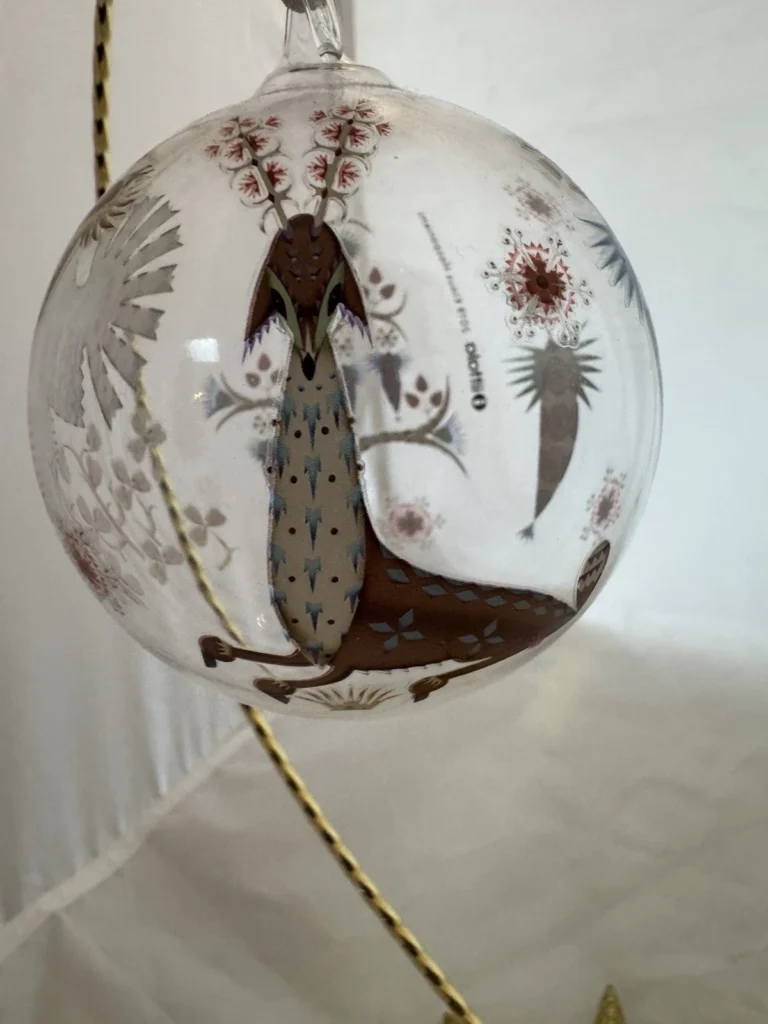
Owls, foxes, enchanted birds, and swirling patterns decorate the surface of Taika pieces, transforming each object into a miniature fairytale.

Exceptional Craftsmanship

The glass ornaments are beautifully formed with clarity and weight, allowing Haapaniemi’s artwork to shine from every angle.

Collector Appeal

The combination of artist prestige, cultural significance, and limited seasonal releases has made Iittala Taika Klaus Haapaniemi glass highly desirable for collectors.

You can shop my curated collection of Scandinavian and art glass pieces here (internal link):
https://artandbeautifulthings.com/shop
Or view the Taika glass ornament currently listed:
https://artandbeautifulthings.com/product/iittala-taika-klaus-haapaniemi-glass-ball-ornament/


How to Style and Display Iittala Taika Klaus Haapaniemi Glass

Because these designs are expressive and vibrant, they pair beautifully with:

  • Scandinavian minimal interiors

  • Holiday displays

  • Modern art collections

  • Fairy-tale-themed décor

  • Seasonal arrangements with birch branches or candlelight

The ornaments can be hung, displayed on stands, or showcased year-round as art pieces.


Why Collectors Seek Out Taika Glass

Collectors appreciate:

  • The artistic storytelling

  • The connection to Finnish folklore

  • The unique colorways and patterns

  • High-quality glass production

  • Pieces that grow in value as designs retire

Haapaniemi’s work represents a new chapter in Iittala’s legacy—one that blends tradition with imagination.


Conclusion: The Enduring Magic of Iittala Taika Klaus Haapaniemi Glass

The Iittala Taika Klaus Haapaniemi glass collection stands as one of the most enchanting collaborations in modern Scandinavian design. It brings together the timeless craftsmanship of Iittala with the whimsical artistry of Klaus Haapaniemi, offering collectors pieces that feel both culturally meaningful and artistically extraordinary.

Whether displayed during the holidays or enjoyed all year long, these glass ornaments capture the spirit of Finnish creativity—magical, expressive, and endlessly collectible.