Blog Post

The Visionary Who Refused Straight Lines: Friedensreich Hundertwasser and His Colorful Revolution

“The straight line is godless.” Few artistic statements have become as famous—or as misunderstood—as those five words spoken by Austrian artist Friedensreich Hundertwasser. While they may initially sound whimsical or provocative, they perfectly encapsulate the philosophy of one of the twentieth century’s most original creative minds. Hundertwasser was not simply a painter, architect, or environmental activist. He was all of these at once, believing that art should transform the way people live, experience cities, and reconnect with nature.

Today, his vibrant paintings, prints, posters, and buildings remain instantly recognizable. Their colorful facades, uneven windows, spiraling towers, mosaic surfaces, and living rooftops seem almost dreamlike, yet they are rooted in a profound belief that humanity thrives when surrounded by beauty rather than rigid conformity. The 1978 Museum of Applied Arts (MAK) exhibition poster offered by Art & Beautiful Things celebrates an artist whose influence reaches far beyond museums into architecture, ecology, urban planning, and contemporary design.


An Artist Born Between Two Worlds

Friedensreich Hundertwasser was born Friedrich Stowasser in Vienna, Austria, on December 15, 1928. His childhood unfolded against one of the most turbulent periods in European history. His father died when Friedensreich was very young, leaving his Jewish mother to raise him during the rise of Nazi Germany.

Because of his Jewish heritage through his mother, the family lived under constant threat during World War II. Many of his relatives perished in the Holocaust. Surviving these years profoundly shaped Hundertwasser’s worldview, giving him a lifelong appreciation for individuality, freedom, and humanity’s relationship with the natural world.

After the war, Vienna was rebuilding itself physically and emotionally. While many artists embraced the clean, rational aesthetic of postwar modernism, Hundertwasser moved in exactly the opposite direction.

He believed that cities were becoming sterile.

He believed people were losing their connection with nature.

Most importantly, he believed architecture was making people unhappy.


Reinventing Himself

During the late 1940s he reinvented both his identity and his artistic philosophy.

He adopted the name Friedensreich Hundertwasser, combining Germanic words suggesting peace, richness, and the symbolic “hundred waters.” The name reflected his fascination with water, flowing movement, and continual transformation.

Unlike many artists who developed within established schools, Hundertwasser rejected formal artistic rules almost entirely.

Instead, he traveled extensively.

Italy.

France.

Morocco.

Japan.

New Zealand.

Every culture added new colors, textures, architectural ideas, and spiritual concepts that became woven into his visual language.


The Beauty of Imperfection

Hundertwasser’s paintings are instantly recognizable because they seem to pulse with life.

Rather than depicting realistic buildings, landscapes, or cities, he imagined worlds where:

  • Trees grow from rooftops.
  • Floors ripple like rivers.
  • Windows vary in size and placement.
  • Towers spiral toward the sky.
  • Colors flow organically across every surface.

Nothing is perfectly symmetrical.

Nothing appears machine-made.

Everything feels alive.

These compositions reflected his belief that nature never creates straight lines.

Trees curve.

Mountains rise irregularly.

Leaves differ from one another.

Human beings themselves are wonderfully imperfect.

Why, then, should architecture be different?


“The Straight Line is godless”

Perhaps no quote defines Hundertwasser more completely.

“The straight line is godless.”

For Hundertwasser, straight lines represented industrial thinking.

Factories.

Uniform apartment blocks.

Anonymous office buildings.

Modern cities where individuality disappeared beneath concrete.

He argued that architecture should express humanity rather than suppress it.

His criticism was aimed particularly at the International Style that dominated mid-century architecture, with its repetitive glass boxes and endless grids.

To Hundertwasser, those buildings ignored both nature and the people forced to live inside them.


From Painter to Architect

Remarkably, Hundertwasser eventually moved beyond criticizing architecture.

He began designing it.

Although he never received formal architectural training, his ideas proved so compelling that engineers and architects collaborated with him to bring them to life.

His most famous creation remains the Hundertwasserhaus in Vienna, completed during the early 1980s.

The apartment building became an international sensation.

Instead of flat walls and identical windows, visitors encountered:

  • Bright ceramic mosaics
  • Flowing façades
  • Golden onion domes
  • Grass-covered roofs
  • Hundreds of trees integrated into the building
  • Uneven floors intentionally designed to feel more natural

Hundertwasser called this “melody for the feet.”

He believed perfectly level floors deprived people of an important sensory experience.


Trees as Tenants

Perhaps Hundertwasser’s most revolutionary architectural concept was his idea of the Tree Tenant.

He believed buildings should literally share space with nature.

Trees would grow from windows.

Plants would cover roofs.

Gardens would reclaim concrete.

Long before “green architecture” became fashionable, Hundertwasser argued that cities should return land to nature.

Today, concepts like living roofs, green walls, sustainable architecture, and ecological urban planning have become mainstream.

Hundertwasser was advocating them decades earlier.


Environmental Activist Before It Was Popular

Environmentalism was not simply a theme in Hundertwasser’s paintings.

It became his life’s mission.

He campaigned tirelessly for:

  • Forest preservation
  • Clean waterways
  • Composting
  • Renewable energy
  • Organic agriculture
  • Sustainable building practices

He opposed unnecessary deforestation and criticized modern consumer culture for disconnecting people from the environment.

His own homes often reflected these ideals, blending naturally into the landscape rather than dominating it.


Master Printmaker

Although architecture receives enormous attention today, Hundertwasser was also among Europe’s greatest printmakers.

He worked extensively in:

  • Woodcuts
  • Lithographs
  • Silkscreens
  • Etchings
  • Mixed printing techniques

His printmaking was extraordinarily complex.

Rather than producing identical editions, he often introduced variations within each printing.

Different colors.

Different metallic inks.

Embossing.

Hand additions.

Multiple paper types.

He wanted every print to retain individuality rather than becoming merely mechanical reproductions.

Collectors often prize these editions because no two examples are exactly alike.


Museum Posters as Collectible Art

One fascinating aspect of Hundertwasser’s legacy is the growing appreciation for his exhibition posters.

During the 1960s, 1970s, and 1980s, museums across Europe commissioned beautifully printed offset lithographs to promote major exhibitions.

Unlike inexpensive decorative reproductions, these original posters documented important moments in the artist’s career.

The 1978 Museum of Applied Arts (MAK) Vienna exhibition poster is an excellent example.

Printed using high-quality offset lithography, it served both as museum advertising and as a work of graphic design in its own right.

Today these posters occupy a unique position between fine art and historical ephemera.

Collectors value them because they preserve authentic exhibition history while remaining more accessible than original paintings or limited-edition prints.


Vienna and Hundertwasser

Vienna remains inseparable from Hundertwasser’s story.

Although he traveled the world, he continually returned to the city of his birth.

Today visitors can experience his vision firsthand through several remarkable landmarks.

The Hundertwasserhaus remains one of Vienna’s most photographed buildings.

Nearby, the KunstHausWien museum showcases many of his paintings, prints, architectural models, and environmental ideas.

These buildings attract hundreds of thousands of visitors annually, demonstrating that his colorful philosophy continues to inspire new generations.


Influence on Modern Design

Hundertwasser’s influence reaches far beyond the art world.

Interior designers embrace his fearless use of color.

Architects borrow his ecological principles.

Landscape designers celebrate his integration of buildings and vegetation.

Graphic designers study his bold compositions and organic patterns.

His work even influenced children’s illustration, animation, ceramics, textiles, and contemporary public art.

Long before “biophilic design” became a popular architectural term, Hundertwasser demonstrated how nature could become an essential component of the built environment.


Why Collect Hundertwasser?

Collectors are drawn to Hundertwasser for many reasons.

His work is visually unforgettable.

His philosophy remains remarkably relevant.

His optimism offers a refreshing contrast to much twentieth-century modern art.

Original paintings and important print editions now command significant prices at international auctions.

Museum posters, however, remain an affordable gateway into collecting one of Europe’s most influential postwar artists.

Authentic exhibition posters—particularly those connected to important institutions like Vienna’s Museum of Applied Arts (MAK)—are increasingly appreciated for their historical significance, outstanding graphic design, and direct connection to the artist’s exhibition history.


A Legacy That Continues to Grow

More than two decades after his death in 2000, Friedensreich Hundertwasser’s ideas feel more contemporary than ever.

Cities worldwide now invest in green roofs.

Architects prioritize sustainability.

Urban planners recognize the importance of trees and public green spaces.

Designers increasingly reject sterile uniformity in favor of individuality and environmental harmony.

Hundertwasser predicted many of these movements decades before they entered mainstream architectural thinking.

His colorful buildings continue to delight millions of visitors each year, while his paintings and prints remind us that beauty need not conform to rigid rules.

The 1978 MAK exhibition poster is more than simply an attractive graphic work. It represents an important moment in the career of an artist who challenged conventional ideas about architecture, nature, and creativity itself. Every vibrant color, irregular window, and flowing line reflects a philosophy rooted in freedom, imagination, and respect for the natural world.

For collectors, owning an original Hundertwasser museum poster is not merely acquiring decorative art—it is preserving a chapter in the history of one of the twentieth century’s most influential artistic visionaries. As appreciation for his work continues to grow worldwide, authentic museum exhibition posters have become enduring reminders of an artist who believed that our homes, our cities, and our lives should be as colorful, organic, and unique as nature itself.

Blog Post

Mid-Century Modern Design Movement | History, Aesthetics, and Glass Art

The Mid-Century Modern Movement: Design, Glass, and the Beauty of the Atomic Age

Introduction

The mid-century modern design movement is one of the most enduring and influential aesthetic revolutions of the twentieth century. Defined by its clean lines, organic forms, and forward-looking spirit, it reshaped how people thought about their homes, their objects, and their relationship to design itself.

Emerging in the years following World War II, the movement reflected a world ready to move forward. Designers reimagined domestic life, moving away from ornate traditions toward something lighter, more functional, and unmistakably modern.


A World Reimagined: The Origins of Mid-Century Design

https://images.openai.com/static-rsc-4/H5lzyJJIouGVLlrKtq6CWCMZCbiORNrZxCcTGVuV1O8i3fPmZYY6AOP1T3_MJW1-TKe1eOcfyDvIYlrsRCrgMBpHVR79mcrBpslG8NddyFMwr0aMFXkoFJBA9NssOydJiqAQJO_I6t2asAt5vPzXipZO5ch5NPbzNdY3PRvMlpaf3wjoMHbZdCWzyVVcENb3?purpose=fullsize
https://images.openai.com/static-rsc-4/FU2axW2O58IeDDcMa5uH5rAETLwoJPVHxT4i2g7hEXsiSUMusBysn83mZIDTnLF78NitpyMWYQrxnPiUbhmD4v0gbbP-8AExEkVneiYP1dRZZe5dOGjZ9FPC3Aum4HgYFlgmY1PC_Whdr3-PVE95g28Erll2rQwOnNb3WrWfGAQVklKAZGgv94YC7iyJuqUW?purpose=fullsize
https://images.openai.com/static-rsc-4/l1AY2ygGxsjcFvbNu4CwnGXjdca6weiDdk_kZSlKyKf60oZX5Xy6Y7IW1vDXfBOKmEUw7cpANYXecjPEfNLIVS9fJ6lFHzCINy4N40SIdRIRYelKd-2iQBG1qXJKJV7xhxKbgVcYBqzVxXfRo0i-fSn9xrxKOt6jagkjziUg8g29hAo7APVSC3j8tuyqRS4z?purpose=fullsize
7

To understand the mid-century modern movement, it is important to consider the cultural shift that followed World War II. Advances in technology and manufacturing allowed designers to create objects that were both accessible and beautifully made.

Influences from Bauhaus and Scandinavian design emphasized simplicity, craftsmanship, and the belief that good design should be available to everyone. Homes became more open and connected to nature, with large windows and minimal ornamentation.

This philosophy extended beyond architecture into furniture and decorative objects, where form and function were carefully balanced.


The Atomic Age: Designing for the Future

https://images.openai.com/static-rsc-4/yqO1psjVCBJGu8JYVjTU2FDveb65lomYFI24mtbptCDfv79AuHmt-1xNBTRmnE3aoiAZeNIXzxsL4dX3Xrbl4eWrRDGnixD8GyUFewA6y5IN2lq0eY7OxKb4ymTmqu0mRnd_s6L2YxFL0-2s6Xn1NwEjtI7ZA85Vr9g1TTCTd26i2SFRrE_QQ7GACVJOaIZx?purpose=fullsize
https://images.openai.com/static-rsc-4/tjjwFJ4gFx5p4gW7lOXzepa-nLzG9Rk3wmUllsF_raNpGM0tO1jXlPsUCOOAVi0uFFeHBh4p7Sa9FWRTz5tPVWeGJhaY5iFsIf_jAtvp5NF6kuvPDcS6UQROp33OVLkGT2ty9tdl30BrcvM7J1Kk0PwofyUtTwrFXJhYhbSaYPE_Vy805avHjfHlsZMdndE6?purpose=fullsize
https://images.openai.com/static-rsc-4/YYt5PrGirOyAg6VCvkXI8OArD-A9wIZegNleBX6B_BHZ2yhp2Hq-kBq5Qarq0fFdYJCAv1DwcuUSiH_5C7zElvQZNEqda91KmOhnN7o8YkcKmXdG4buLmMOwNTu4ZCtm1_ulVa3AY5ErGHzS-mjJqTZdWe0UUFKdcn6zkLqUq1-p9nNeOwWUu5OQufBveWTD?purpose=fullsize
6

One of the most defining influences of the mid-century modern movement was the atomic age. The 1950s and 1960s were marked by fascination with space exploration, science, and the future.

Designers embraced bold motifs such as starbursts, boomerang shapes, and abstract geometry. These forms symbolized movement, energy, and optimism.

This influence reached into every corner of design—from architecture and furniture to decorative objects and seasonal décor—bringing a sense of excitement and innovation into everyday life.


Glass as Art: Innovation and Expression

https://images.openai.com/static-rsc-4/U05vNaZmBfEhtzHWdONYwWOcr9kBHFWXDF4BxBVl_5K98c65frXMd0Fo850h5v0-ngB5WmEV01J7qdTZ8ZTv72G38pnqaoOzET1pSexGmUtR8sh1sNd5VN6ETTNg5jz_klIU0ccj6ZuSdyxD-s5RkVMF47xmURcGlowrjbVJ_zsqNZ_9ecTSps4eQlJJakWy?purpose=fullsize
https://images.openai.com/static-rsc-4/EpFs66lo-ckW2bV_m4oVGG0eOGdFFMLuKRBemcN1bsj_cY7KwqOqx-3FjyFQ1gyD-Xrw159NhENs_K4OiwAtXe7DD1Zyg8UorpwKUB8mtWpWDsa-xLjCIKr-OPQ1bahuky5GTBYST_S3_5ttQLxws0XPzkkCp9atnywb8QvXTpKYwdPseGTgM9Xo0jo1JEeI?purpose=fullsize
https://images.openai.com/static-rsc-4/awfwuX6GrUHWnHgeSbjBHOgHgI_1rK2wDay9IcVShpoAf6ODY950UxiHAfPHRkdEkQlD74wqDVPz7Lt1AFR7VRQQzaZ8bQmaFsKrVjSv_c2FTrzCGFLCF7K9n9jtZ6vvxAUxciPoUcANgIa0QKL3MaqTMK_AieBeacnUT1l1dYvIKYGPLxnx34leIszaMMZr?purpose=fullsize
7

Glass became one of the most expressive materials of the mid-century period. Artists experimented with color, transparency, and form, creating pieces that blurred the line between function and art.

Techniques such as layering, controlled bubbles, and textured finishes allowed for greater creativity. Reflective surfaces enhanced the interaction between light and object, making glass particularly dynamic within a space.

European glassmakers, alongside American and Scandinavian designers, contributed to a rich and diverse landscape of glass artistry that continues to influence collectors today.


Color, Material, and the Language of Design

https://images.openai.com/static-rsc-4/_0eYOamJcQm7yNGQlLsO6hFWeUevobKfVOXx6LN9iLvD69KfwEy2FaeHJh-KrkDRr1xVDsnmBG7NzZza5Pagr1k0q63rzQyjJp3uWb-56doKgQsTSW0Sq0m0QotMmQtio1rKfuKfE1GtGCcP7fGESjc5zVZv7d728d6Jdv6Yxk4TsHxjYCq6SM-XOGkijQx4?purpose=fullsize
https://images.openai.com/static-rsc-4/CUXedwqtRfmrsJrK5S2Yg1W8tadHdEET6-HSI8IYaYUxLuT7m0l5XtE7WjQJuNXzs6H-10GJ9dCb8mW_LCV3JEAcIZ7bP-6zA_DTAC63SvvH4yTYE_FuxAaaMOtDE09X5kCCrd8xMRy0BUJ79SpvcUnZ0368wpMQCsEAysVmcAfHzYLk-4pJojJS_tt4jgLB?purpose=fullsize
https://images.openai.com/static-rsc-4/UTMhhIjrNjtu4EBnlOYxy5q4MyhHsDbCLsKP61JO4ODEu6LjhXNBvQE6i2CDZK3Jo0fUH8fRx8iyHSKTJSiN2-M6i79dG39hBIufCSQadfE6zjrEjrXtjWZk-RGoOJkpEnGT8PN5VEqPOYCIBgmmQxhsN6QzCteWv5XrZwnwGzjunk-5NP3P5FhLgZJ-XIH-?purpose=fullsize
7

Color played a vital role in defining mid-century design. From earthy tones to bold, saturated hues, the palette reflected a growing sense of individuality and expression.

Materials were carefully chosen for both function and aesthetic appeal. Wood, glass, metal, and emerging synthetics were combined in ways that felt modern yet balanced.

Even small decorative objects were designed with intention, contributing to a cohesive and harmonious environment.


Decorative Arts and Everyday Beauty

https://images.openai.com/static-rsc-4/xqRvRQ5xiKbePudNJ1Y20wpl6v34QWTD3DF0jRG6I2BAefsLPAqrEHa1dhj_fFnDcFL-s9nLwsPdlqfEkSb0UDsw-so_zCHR4oPmW0hjvbm5ciQyu9MkO8wogYbg8Tb7bsJIHba6JfBMChCaU1bwFSDdK99Hb8GsW1rqXoDoXyHVO8K7pRGO7pH-P61K5Yyy?purpose=fullsize
https://images.openai.com/static-rsc-4/tFR7YgZ7NdabK2cqrjc5ha2Km-nUm5qVmUThcT_5rVnFokKIRypfsB6mjdXxX551yNBv_HWIbIQkTP1m5yzSs6BAGE5kdsIHRDdbzHvOSAl6AyLHxb4-siJzq7yvuCRHY7VqMa5HgDAikHLSQQKTfBUBP55Qndptr3DSocdtlLfGPy_q4IRuO6dncEX7sDXl?purpose=fullsize
https://images.openai.com/static-rsc-4/obfFGwh89u5KresF36pwoimt3TbYYi59riQ6fxFGGmE2mSqPLXRh-sM00JLtMsQfBgsaAq3_gu-njH0r6oCvVwIaw7xPSMG3UbeYsw_H4OKxscTfkR-zw5w7xM6czMEN4hy3O8EsYfFmzXHkMmQKfv-ub1rtcnC8NQNudAE9lvN8V0rwpS9Y5vn10LDSt3sH?purpose=fullsize
8

Mid-century modern design elevated everyday objects into expressions of beauty. Decorative arts played a key role in bringing this aesthetic into the home.

Seasonal décor, including glass ornaments, reflected the same design principles seen in furniture and architecture. Reflective surfaces, bold forms, and vibrant colors transformed holiday decorations into sculptural elements.

These objects allowed individuals to incorporate modern design into even the most traditional aspects of life.


Why Mid-Century Modern Still Matters

Decades later, mid-century modern design continues to resonate. Its emphasis on simplicity, craftsmanship, and intentional design offers a sense of clarity in an increasingly complex world.

Collectors are drawn not only to its aesthetic appeal but to its historical significance. Each piece tells the story of a time defined by optimism, innovation, and a belief in the future.

Glass, in particular, remains a favorite for its ability to bring light and movement into a space.


Collecting with Intention

For collectors, mid-century design offers an opportunity to curate with purpose. Rather than focusing on quantity, the emphasis is on selecting pieces that reflect quality, craftsmanship, and personal taste.

Understanding the movement enhances appreciation, but ultimately, the most meaningful collections are those that feel cohesive and intentional.


A Lasting Legacy

The legacy of mid-century modern design continues to shape contemporary aesthetics. Its influence can be seen across interiors, decorative arts, and collectible design.

It reminds us that beauty lies in thoughtful creation—that even the simplest object can carry meaning, history, and presence.

Blog Post, Feature Resource, Products, Resources, Uncategorized

The Magic of Iittala Glass: Exploring the Enchanted World of Designer Klaus Haapaniemi

Iittala Taika Klaus Haapaniemi Glass: A Magical Journey Into Finnish Art Glass

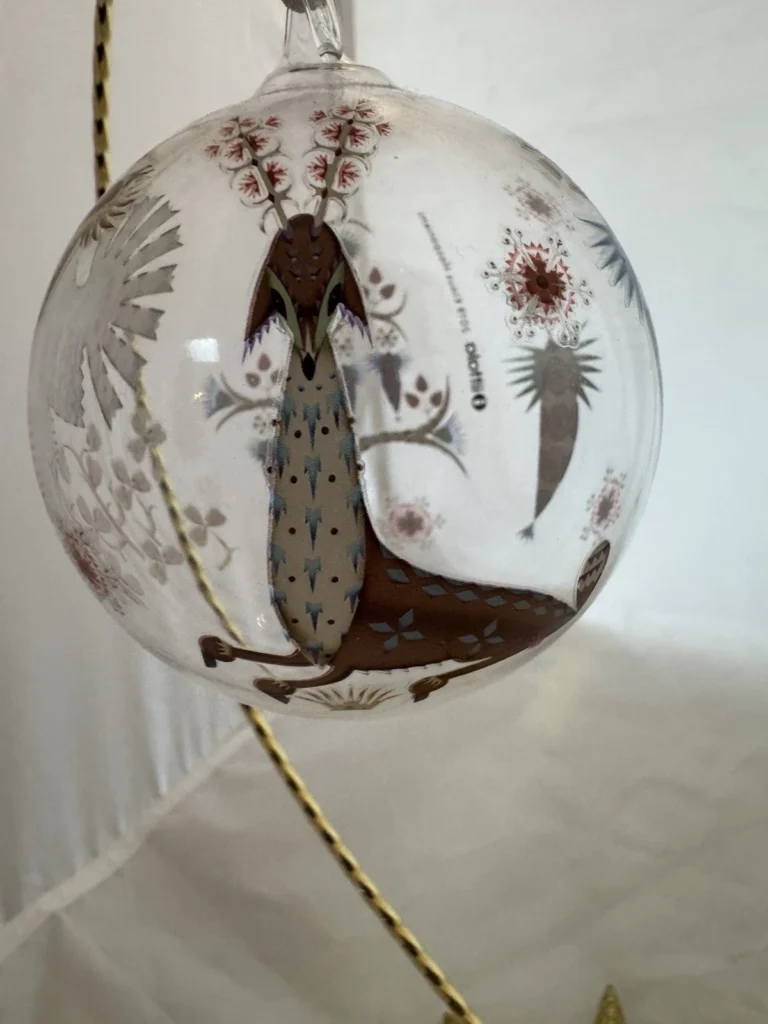
The world of Iittala Taika Klaus Haapaniemi glass is one where imagination, craftsmanship, and Nordic folklore come together to create some of the most enchanting art glass of the modern era. While Iittala has long been respected for its clean Scandinavian lines and functional modernist design, the Taika collection introduces an entirely different visual story—one filled with mythical creatures, rich colors, and whimsical illustration.

In this post, we explore the history of Iittala glass, the artistry of Klaus Haapaniemi, and why the Iittala Taika Klaus Haapaniemi glass collection has become a favorite among collectors around the world.


The Legacy of Iittala: A Foundation for Taika Magic

Founded in 1881, Iittala has shaped the global identity of Finnish glassmaking. Known for high-quality craftsmanship and iconic modernist designs, Iittala has always valued creativity and innovation.
Learn more about Iittala’s heritage here:
https://www.iittala.com

From the legendary Aalto vase to seasonal ornaments and tableware, Iittala glass blends durability, artistry, and function. This legacy of excellence laid the foundation for the arrival of designer Klaus Haapaniemi, whose imagination expanded Iittala’s world into something beautifully unexpected.


Who Is Klaus Haapaniemi? The Artist Behind Taika

Klaus Haapaniemi is one of Finland’s most celebrated contemporary artists. His work draws heavily from folklore, nature, mythical storytelling, and decorative traditions from around the world. His official site offers a deeper look into his artistic universe:
https://www.klaush.com

When Haapaniemi partnered with Iittala, the result was the Taika (“magic”) collection—a dramatic departure from minimalism and a bold embrace of narrative design.


What Makes Iittala Taika Klaus Haapaniemi Glass So Special?

A New Chapter in Scandinavian Design

The Taika line blends richly detailed illustrations with high-quality Finnish glass. This creates an aesthetic that is both maximalist and deeply rooted in Nordic tradition.

Folklore in Every Detail

Owls, foxes, enchanted birds, and swirling patterns decorate the surface of Taika pieces, transforming each object into a miniature fairytale.

Exceptional Craftsmanship

The glass ornaments are beautifully formed with clarity and weight, allowing Haapaniemi’s artwork to shine from every angle.

Collector Appeal

The combination of artist prestige, cultural significance, and limited seasonal releases has made Iittala Taika Klaus Haapaniemi glass highly desirable for collectors.

You can shop my curated collection of Scandinavian and art glass pieces here (internal link):
https://artandbeautifulthings.com/shop
Or view the Taika glass ornament currently listed:
https://artandbeautifulthings.com/product/iittala-taika-klaus-haapaniemi-glass-ball-ornament/


How to Style and Display Iittala Taika Klaus Haapaniemi Glass

Because these designs are expressive and vibrant, they pair beautifully with:

  • Scandinavian minimal interiors

  • Holiday displays

  • Modern art collections

  • Fairy-tale-themed décor

  • Seasonal arrangements with birch branches or candlelight

The ornaments can be hung, displayed on stands, or showcased year-round as art pieces.


Why Collectors Seek Out Taika Glass

Collectors appreciate:

  • The artistic storytelling

  • The connection to Finnish folklore

  • The unique colorways and patterns

  • High-quality glass production

  • Pieces that grow in value as designs retire

Haapaniemi’s work represents a new chapter in Iittala’s legacy—one that blends tradition with imagination.


Conclusion: The Enduring Magic of Iittala Taika Klaus Haapaniemi Glass

The Iittala Taika Klaus Haapaniemi glass collection stands as one of the most enchanting collaborations in modern Scandinavian design. It brings together the timeless craftsmanship of Iittala with the whimsical artistry of Klaus Haapaniemi, offering collectors pieces that feel both culturally meaningful and artistically extraordinary.

Whether displayed during the holidays or enjoyed all year long, these glass ornaments capture the spirit of Finnish creativity—magical, expressive, and endlessly collectible.