Blog Post

Arabia of Finland and the Enduring Legacy of Friedl Holzer-Kjellberg

When collectors think of Scandinavian ceramics, a handful of names immediately come to mind: Kaj Franck, Birger Kaipiainen, Ulla Procopé, Esteri Tomula, and perhaps most poetically of all, Friedl Holzer-Kjellberg. While Arabia of Finland is celebrated for its modern tableware and innovative design, one artist transformed the company’s artistic identity through a delicate porcelain technique that remains among the most admired achievements in twentieth-century ceramics. That artist was Friedl Holzer-Kjellberg.

The Story of Arabia of Finland

Founded in 1873, Arabia became Finland’s most important ceramics manufacturer and eventually one of the most influential names in Scandinavian design. Originally established as a subsidiary of the Swedish ceramics firm Rörstrand, the factory grew into a powerhouse of innovation and craftsmanship. Throughout the twentieth century, Arabia attracted some of the greatest ceramic artists in Finland, helping to define what is now recognized worldwide as Finnish design.

Unlike many European porcelain manufacturers that relied heavily on tradition, Arabia embraced artistic experimentation. The company encouraged designers to develop unique glazes, forms, and decorative techniques. This environment allowed artists such as Kaj Franck, Birger Kaipiainen, Ulla Procopé, and Esteri Tomula to create work that remains highly collectible today.

Yet among these celebrated designers, Friedl Holzer-Kjellberg occupies a special place because her work bridged European craftsmanship, Chinese ceramic traditions, and Scandinavian modernism.

Who Was Friedl Holzer-Kjellberg?

Born in Austria in 1905 as Elfriede Amalie Adolfine Holzer, Friedl studied at the Kunstgewerbeschule in Graz before accepting a design position at Arabia in Helsinki in 1924. What began as a promising career became a lifelong commitment; she remained with Arabia for forty-six years, retiring in 1971. She later married Arabia engineer Erik Kjellberg and became known as Friedl Holzer-Kjellberg.

Her design philosophy has often been described as “modern classicism”—respectful of tradition yet refined through simplicity and elegance. Throughout her career she was deeply inspired by Asian ceramics, particularly Chinese porcelain traditions.

The Discovery of Rice Porcelain

Friedl’s greatest contribution came after a visit to Vienna in 1931. During her travels she encountered historic Chinese rice-grain porcelain, a decorative technique that fascinated her. Determined to understand and recreate the process, she returned to Finland and began experimenting. What followed was not a quick success but an eleven-year journey of research, testing, and refinement.

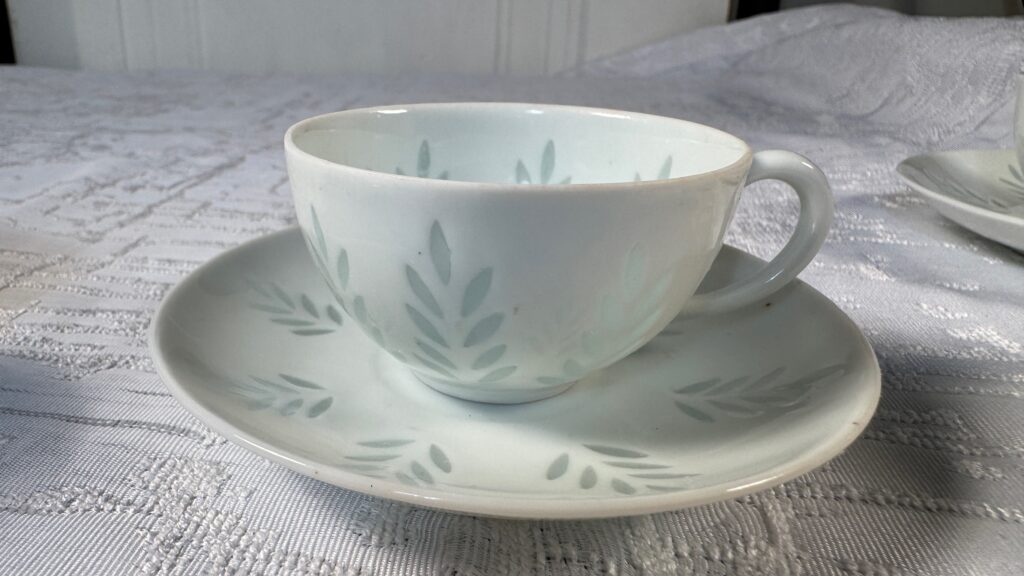
The technique involved carefully cutting tiny elongated openings into unfired porcelain. During glazing, these openings filled with translucent glaze. Once fired, the result was a magical effect: delicate windows of light scattered across the surface like grains of rice. When held up to a lamp or sunlight, the porcelain seemed almost ethereal.

Arabia finally introduced Holzer-Kjellberg’s rice porcelain in 1942, and collectors immediately fell in love with it. Despite being labor-intensive and expensive to produce, demand remained strong for decades. Arabia continued manufacturing rice porcelain designs until 1974.

Why Rice Porcelain Is So Special

Few ceramic techniques combine technical mastery and visual beauty as successfully as rice porcelain. Every piece required extraordinary handwork. The perforations had to be cut individually, glazed perfectly, and fired without distortion. Even a minor mistake could ruin an entire piece.

Collectors often describe the effect as “lace in porcelain.” The pieces appear solid from a distance, but light reveals a hidden pattern of translucent decoration that gives them an almost jewel-like quality.

Today, vintage Arabia rice porcelain remains one of the most sought-after categories of Finnish ceramics. Bowls, vases, cups, saucers, and decorative objects regularly command premium prices in the Scandinavian design market.

Beyond Rice Porcelain

Although rice porcelain made her famous, Friedl Holzer-Kjellberg was far more versatile than many collectors realize.

She experimented extensively with glazes, particularly rich oxblood reds, copper reds, turquoise blues, and peacock tones. These dramatic colors contrasted sharply with the delicate white elegance of her rice porcelain work. She collaborated closely with Arabia’s technical department to develop unique glaze formulas and firing methods.

Her larger art pottery pieces—often bold bowls, vases, and sculptural forms—demonstrate a mastery of ceramic chemistry that rivals her better-known porcelain creations. Serious collectors increasingly seek these works as awareness grows beyond the rice porcelain tradition.

International Recognition

Holzer-Kjellberg’s talent received international attention throughout her career. Her work appeared in major exhibitions in Barcelona, Brussels, and Paris. She earned medals at the Milan Triennale and received Finland’s prestigious Pro Finlandia Medal in 1962. Her work entered museum collections throughout Europe, including the British Museum.

Today her pieces can be found in important museum collections across Scandinavia, Germany, Switzerland, the Netherlands, and the United Kingdom, confirming her position among the most significant ceramic artists of the twentieth century.

Collecting Arabia and Friedl Holzer-Kjellberg Today

For collectors, Arabia offers an exciting journey through the history of Scandinavian design. While names like Kaj Franck and Birger Kaipiainen remain widely recognized, Friedl Holzer-Kjellberg’s work possesses a unique appeal because it combines artistry, technical innovation, and rarity.

When examining a piece, collectors often look for marks including “Arabia,” “Finland,” and the initials “FHK,” which are commonly associated with Holzer-Kjellberg’s production. Rice porcelain pieces are especially prized when free from chips, cracks, or repairs because their delicate construction makes survival in pristine condition increasingly uncommon.

For many enthusiasts, owning a Friedl Holzer-Kjellberg piece is more than acquiring beautiful porcelain—it is preserving a chapter of Finnish design history.

A Lasting Legacy

Nearly a century after she first joined Arabia, Friedl Holzer-Kjellberg remains one of the defining figures of Finnish ceramics. Her rice porcelain transformed an ancient Chinese technique into a distinctly Scandinavian art form, demonstrating that innovation often begins with respect for tradition.

In a world increasingly dominated by mass production, her work reminds us of the extraordinary beauty that can emerge when patience, craftsmanship, and artistic vision come together. Whether displayed in a museum, a curated collection, or a carefully chosen home interior, Arabia rice porcelain continues to captivate collectors with the same luminous elegance that first enchanted audiences in the 1940s.

For lovers of Scandinavian design, Friedl Holzer-Kjellberg’s creations are not merely ceramics—they are light captured in porcelain.
Blog Post

Kosta Boda: The Timeless Elegance of Swedish Glass Art

Kosta Boda is a name synonymous with exquisite Swedish glass artistry, representing centuries of craftsmanship, innovation, and design excellence. Renowned worldwide for its hand-blown art glass, sculptural vases, and decorative objects, Kosta Boda continues to captivate collectors, interior designers, and art enthusiasts alike. From functional pieces to bold statement art, Kosta Boda combines traditional techniques with modern creativity to produce timeless works of beauty.

The Origins of Kosta Boda

Kosta Boda’s story begins in 1742 in the small village of Kosta, in the province of Småland, Sweden. Founded by two entrepreneurs, Anders Koskull and Georg Bogislaus Staël von Holstein, the company’s name is a combination of their surnames: “Ko” from Koskull and “Sta” from Staël, forming Kosta. Originally, the glassworks produced utilitarian glassware for everyday use, such as bottles, window glass, and household items.

Over the years, Kosta evolved from a small workshop into a globally recognized glass manufacturer. The company’s focus shifted from purely functional glass to artistic creations, particularly during the 20th century, when collaboration with talented designers and artists transformed Kosta Boda into a leader in decorative and collectible art glass.

The Art of Hand-Blown Glass

One of the defining features of Kosta Boda glass is its handcrafted quality. Each piece is carefully mouth-blown by skilled artisans, ensuring that no two items are exactly alike. This dedication to craftsmanship allows for unique variations in color, shape, and texture, making each vase, bowl, or sculpture a one-of-a-kind work of art.

The company uses a variety of techniques, including layering, engraving, and acid-etching, to achieve striking visual effects. For example, the use of vibrant color gradients, metallic inclusions, and sculptural forms showcases the technical skill of Kosta Boda’s glassblowers while creating visually captivating pieces.

Signature Collections and Iconic Designs

Kosta Boda is celebrated for its wide range of artistic collections, each reflecting the creativity and vision of its collaborating designers. Some of the most iconic pieces include:

  • Målerås & Boda Glass: Featuring bold abstract shapes and color patterns, these pieces highlight the artistic innovation of Kosta Boda’s early 20th-century designers.

  • Göran Wärff’s Mirage Collection: Known for its elegant, sculptural vases with subtle color transitions and frosted glass accents, this collection exemplifies the seamless combination of form and function.

  • Anna Ehrner Designs: Celebrated for her whimsical, playful, and colorful glass sculptures, Ehrner’s work adds a contemporary flair to the Kosta Boda portfolio.

These collections, among many others, demonstrate Kosta Boda’s ability to blend traditional craftsmanship with modern aesthetics, making their glass both collectible and suitable for interior design.

The Appeal of Collecting Kosta Boda

Collectors of Kosta Boda glass are drawn to the brand for several reasons. First, the artistry and craftsmanship guarantee that each piece is a unique investment in design. Second, the variety of styles—from sleek contemporary forms to bold, colorful sculptures—allows collectors to choose pieces that match their personal taste and décor.

Limited-edition works and signed pieces are particularly prized, as they carry both artistic and monetary value. Many collectors seek out specific artists or collections, such as Göran Wärff or Bertil Vallien, whose distinctive styles have become hallmarks of the Kosta Boda legacy.

In addition to private collections, Kosta Boda glass is highly sought after in galleries, interior design projects, and luxury retail environments. The versatility of its designs allows pieces to function as both decorative accents and functional objects, bridging the gap between art and everyday life.

Sustainability and Modern Innovation

Kosta Boda is not only dedicated to artistry but also to sustainable practices in glass production. Using high-quality materials and efficient manufacturing techniques, the company strives to minimize waste while maintaining the integrity of its hand-crafted pieces.

Innovation remains central to Kosta Boda’s identity. Contemporary designers continue to experiment with new forms, colors, and methods, ensuring that the brand remains relevant in modern design while honoring its 18th-century heritage.

Tips for Purchasing and Caring for Kosta Boda Glass

For anyone looking to acquire Kosta Boda glass, a few tips can help ensure the best experience:

  1. Authentication: Look for the signature of the designer or an etched mark of Kosta Boda on the base of the piece. This ensures authenticity and can affect collectible value.

  2. Condition: Handle glass with care to prevent chips or cracks, and avoid extreme temperature changes that could damage delicate designs.

  3. Display: Kosta Boda glass is visually striking and works beautifully as a centerpiece, bookshelf accent, or part of a curated gallery display.

  4. Collectible Focus: Limited-edition or artist-signed pieces often hold the most value for collectors. Researching specific artists or collections can guide your selection.

Kosta Boda in Modern Interiors

Kosta Boda glass is equally admired by interior designers for its ability to elevate contemporary and traditional spaces. The vibrant colors, sculptural shapes, and interplay of light make these pieces ideal for modern living rooms, dining areas, and office spaces. Whether used as a functional vase or displayed as a stand-alone sculpture, Kosta Boda adds sophistication, elegance, and visual interest to any room.

Its blend of artistic integrity and decorative appeal makes Kosta Boda a perfect example of functional art, where beauty and usability coexist. The versatility of the designs allows collectors and decorators alike to integrate them seamlessly into mid-century modern, Scandinavian, eclectic, or luxury interiors.

Conclusion

Kosta Boda represents the pinnacle of Swedish glass artistry, combining centuries of craftsmanship with modern design innovation. From its humble beginnings in 1742 to its current status as a globally recognized art glass manufacturer, Kosta Boda continues to inspire collectors, designers, and art lovers around the world.

Whether you are drawn to its bold, colorful vases, elegant hand-blown sculptures, or iconic limited-edition collections, Kosta Boda offers a perfect blend of artistry, functionality, and collectible value. Owning a piece of Kosta Boda is not just acquiring decorative glass—it is celebrating a rich heritage of innovation, creativity, and timeless beauty.

Blog Post, Feature Resource, Products, Resources, Uncategorized

The Magic of Iittala Glass: Exploring the Enchanted World of Designer Klaus Haapaniemi

Iittala Taika Klaus Haapaniemi Glass: A Magical Journey Into Finnish Art Glass

The world of Iittala Taika Klaus Haapaniemi glass is one where imagination, craftsmanship, and Nordic folklore come together to create some of the most enchanting art glass of the modern era. While Iittala has long been respected for its clean Scandinavian lines and functional modernist design, the Taika collection introduces an entirely different visual story—one filled with mythical creatures, rich colors, and whimsical illustration.

In this post, we explore the history of Iittala glass, the artistry of Klaus Haapaniemi, and why the Iittala Taika Klaus Haapaniemi glass collection has become a favorite among collectors around the world.


The Legacy of Iittala: A Foundation for Taika Magic

Founded in 1881, Iittala has shaped the global identity of Finnish glassmaking. Known for high-quality craftsmanship and iconic modernist designs, Iittala has always valued creativity and innovation.
Learn more about Iittala’s heritage here:
https://www.iittala.com

From the legendary Aalto vase to seasonal ornaments and tableware, Iittala glass blends durability, artistry, and function. This legacy of excellence laid the foundation for the arrival of designer Klaus Haapaniemi, whose imagination expanded Iittala’s world into something beautifully unexpected.


Who Is Klaus Haapaniemi? The Artist Behind Taika

Klaus Haapaniemi is one of Finland’s most celebrated contemporary artists. His work draws heavily from folklore, nature, mythical storytelling, and decorative traditions from around the world. His official site offers a deeper look into his artistic universe:
https://www.klaush.com

When Haapaniemi partnered with Iittala, the result was the Taika (“magic”) collection—a dramatic departure from minimalism and a bold embrace of narrative design.


What Makes Iittala Taika Klaus Haapaniemi Glass So Special?

A New Chapter in Scandinavian Design

The Taika line blends richly detailed illustrations with high-quality Finnish glass. This creates an aesthetic that is both maximalist and deeply rooted in Nordic tradition.

Folklore in Every Detail

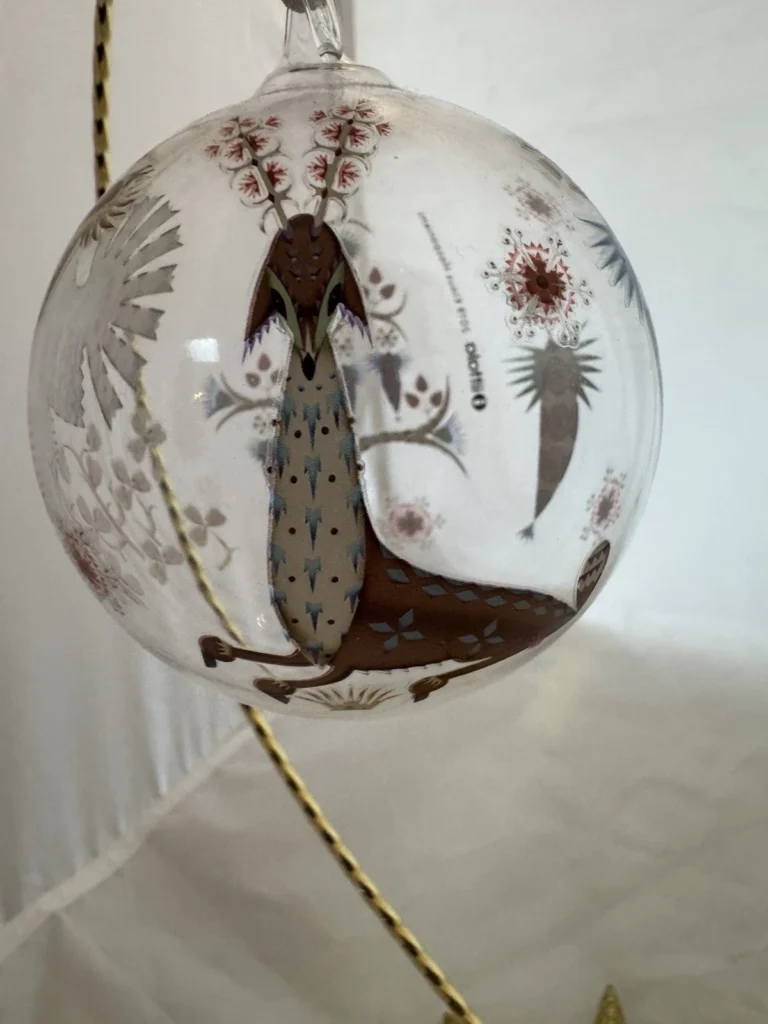
Owls, foxes, enchanted birds, and swirling patterns decorate the surface of Taika pieces, transforming each object into a miniature fairytale.

Exceptional Craftsmanship

The glass ornaments are beautifully formed with clarity and weight, allowing Haapaniemi’s artwork to shine from every angle.

Collector Appeal

The combination of artist prestige, cultural significance, and limited seasonal releases has made Iittala Taika Klaus Haapaniemi glass highly desirable for collectors.

You can shop my curated collection of Scandinavian and art glass pieces here (internal link):
https://artandbeautifulthings.com/shop
Or view the Taika glass ornament currently listed:
https://artandbeautifulthings.com/product/iittala-taika-klaus-haapaniemi-glass-ball-ornament/


How to Style and Display Iittala Taika Klaus Haapaniemi Glass

Because these designs are expressive and vibrant, they pair beautifully with:

  • Scandinavian minimal interiors

  • Holiday displays

  • Modern art collections

  • Fairy-tale-themed décor

  • Seasonal arrangements with birch branches or candlelight

The ornaments can be hung, displayed on stands, or showcased year-round as art pieces.


Why Collectors Seek Out Taika Glass

Collectors appreciate:

  • The artistic storytelling

  • The connection to Finnish folklore

  • The unique colorways and patterns

  • High-quality glass production

  • Pieces that grow in value as designs retire

Haapaniemi’s work represents a new chapter in Iittala’s legacy—one that blends tradition with imagination.


Conclusion: The Enduring Magic of Iittala Taika Klaus Haapaniemi Glass

The Iittala Taika Klaus Haapaniemi glass collection stands as one of the most enchanting collaborations in modern Scandinavian design. It brings together the timeless craftsmanship of Iittala with the whimsical artistry of Klaus Haapaniemi, offering collectors pieces that feel both culturally meaningful and artistically extraordinary.

Whether displayed during the holidays or enjoyed all year long, these glass ornaments capture the spirit of Finnish creativity—magical, expressive, and endlessly collectible.