 (248) 617-7717
 mona@artandbeautifulthings.com




- 80s
- Art
- Abstract
- Art Deco
- Atomic
- Brutalist
- Ceramics & Pottery
- China & Porcelain
- Collectibles
- Decor
- Delightfully Kitschy
- Fashion
- Folk
- Fun
- Furniture
- Glass
- Gothic
- Holiday
- Historical Significance
- Hollywood Regency
- Industrial
- Kitchen
- Lighting
- Metal
- Mid Century
- Mid Century Modern
- Modern
- Off The Wall
- Old World
- Pop Art
- Primitive
- Rustic
- Salvage
- The Beauty Of Asia
- The Beauty of All Europe
- The Beauty of Canada
- The Beauty of France
- The Beauty of Italy
- The Beauty of Scandinavia
- The Beauty of the UK
- The Classics
- Whimsical
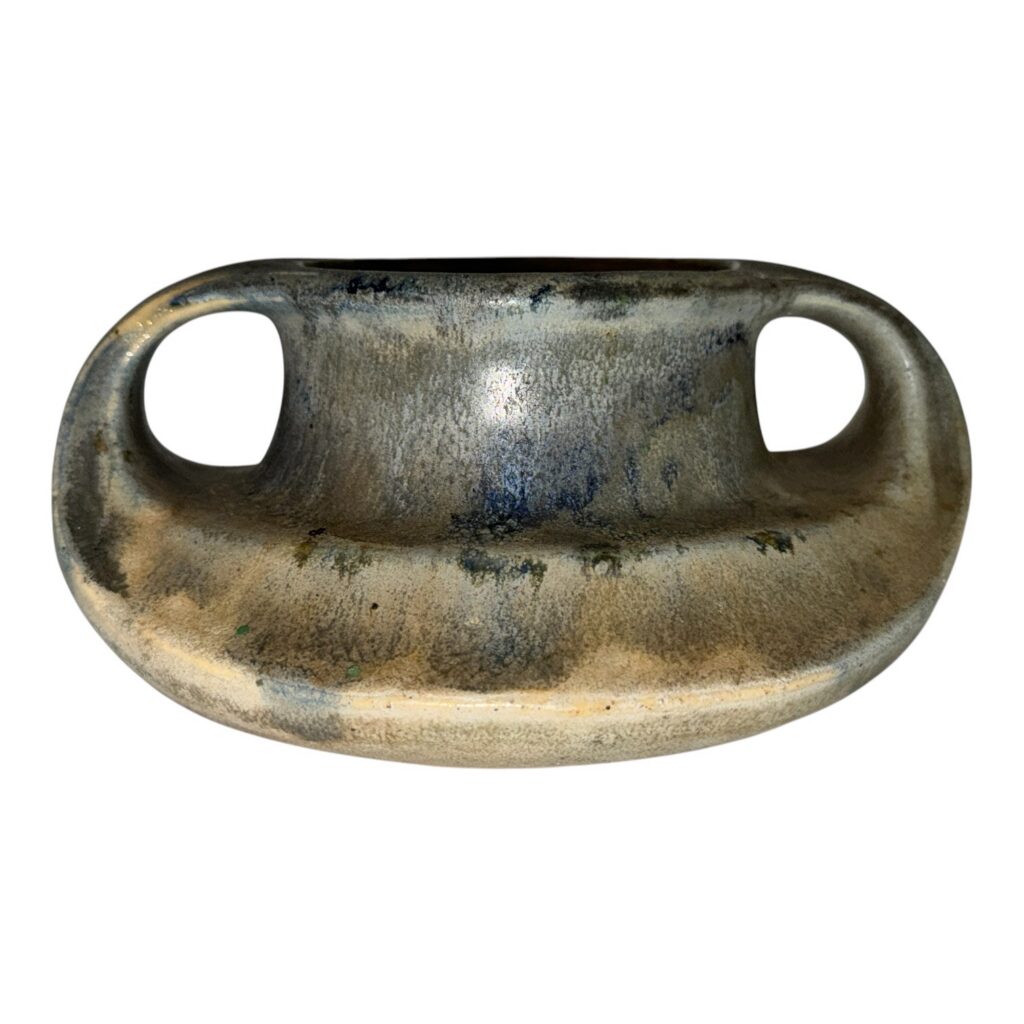
Charles Greber: Master of French Art Pottery and the Legacy of Beauvais Ceramics

The Enduring Legacy of Charles Gréber and French Artistic Ceramics
The history of French ceramics is filled with remarkable artists and manufacturers whose work transformed functional pottery into fine art. Among the most respected names is Charles Gréber, a master potter associated with the celebrated Gréber pottery works of Beauvais, France. Today, collectors and historians recognize Gréber ceramics for their exceptional craftsmanship, artistic glazes, sculptural forms, and their important role in the evolution of both Art Nouveau and Art Deco design.
Whether encountered in the form of a monumental floor vase, an elegant jardinère, a decorative charger, or a finely modeled figural sculpture, Gréber pottery represents some of the finest artistic ceramic production to emerge from France during the late nineteenth and early twentieth centuries.
For collectors of European art pottery, Gréber remains a name synonymous with innovation, quality, and artistic excellence.
The Origins of the Gréber Pottery Works
The story begins in Beauvais, a historic city in northern France known for its rich artistic traditions. The Gréber family established a ceramics enterprise that would eventually become one of France’s most respected pottery manufacturers.
The factory traces its origins to the mid-nineteenth century when the Gréber family became involved in ceramic production. Over time, the workshop expanded its capabilities and artistic ambitions, evolving from traditional pottery production into a center for artistic ceramics.
Charles Gréber emerged as one of the most influential members of the family enterprise. Under his guidance, the company embraced artistic experimentation and high-quality decorative ceramics that reflected changing tastes in European design.
By the late nineteenth century, Gréber pottery had gained recognition throughout France and beyond for its combination of technical excellence and artistic sophistication.
The Artistic Climate of France in the Late Nineteenth Century
To understand Charles Gréber’s importance, it helps to understand the artistic environment in which he worked.
The late 1800s represented a period of extraordinary creativity across Europe. Artists and designers sought alternatives to mass-produced industrial goods, embracing craftsmanship and artistic expression.
Several movements influenced ceramic artists during this period:
The Arts and Crafts Movement
Originating in Britain but influencing artists throughout Europe, the Arts and Crafts Movement emphasized handcrafted quality and artistic integrity.
Japonisme
The European fascination with Japanese art inspired asymmetrical designs, nature-based motifs, and innovative decorative techniques.
Art Nouveau
Perhaps the most significant influence on Gréber’s work, Art Nouveau celebrated flowing lines, organic forms, flowers, insects, and natural beauty.
French ceramic artists eagerly adopted these ideas, transforming pottery from simple household objects into artistic statements.
Charles Gréber was among those who successfully incorporated these trends while maintaining a distinctly French aesthetic.
Gréber and the Art Nouveau Movement
The Art Nouveau era, roughly spanning 1890 to 1910, marked one of the most creative periods in Gréber pottery production.
Art Nouveau rejected rigid historical styles in favor of forms inspired by nature. Flowers, vines, dragonflies, butterflies, and flowing organic lines became central decorative themes.
Gréber pottery from this period often features:
- Floral relief decoration
- Sculptural natural forms
- Organic silhouettes
- Rich experimental glazes
- Hand-finished details
- Asymmetrical artistic compositions
Large decorative vases became particularly important during this era.
Rather than serving merely as containers for flowers, these vessels became works of art in their own right. Their dramatic shapes and decorative surfaces reflected the growing desire among collectors and homeowners to surround themselves with beautiful artistic objects.
Many surviving Gréber pieces from the Art Nouveau period demonstrate extraordinary technical skill, especially in the handling of complex glazes and relief decoration.
The Beauvais Connection
One of the defining aspects of Gréber pottery is its strong association with Beauvais.
The city had long been recognized as an important center of French craftsmanship. While perhaps best known internationally for its tapestries and cathedral, Beauvais also fostered a thriving ceramics tradition.
The Gréber factory became one of the city’s most prominent artistic manufacturers.
Collectors often encounter marks referencing Beauvais, helping establish provenance and authenticity.
Today, the Beauvais connection adds historical significance to Gréber ceramics, linking each piece to an important regional tradition within French decorative arts.
Innovation in Ceramic Glazes
One of the most celebrated aspects of Charles Gréber’s work is the extraordinary quality of the factory’s glazes.
During the late nineteenth and early twentieth centuries, ceramic artists across Europe experimented with new firing techniques and glaze formulas.
Gréber embraced this spirit of innovation.
The pottery works became known for producing:
Crystalline Effects
Complex glaze surfaces that created shimmering visual depth.
Mottled and Flambé Finishes
Rich color variations achieved through careful kiln control.
Matte Artistic Surfaces
Subtle finishes that emphasized sculptural form.
Nature-Inspired Colors
Greens, blues, browns, ambers, and earth tones that reflected natural landscapes.
These glazes often transformed relatively simple forms into visually captivating works of art.
Collectors today frequently cite glaze quality as one of the primary reasons for pursuing Gréber ceramics.
The Transition to Art Deco
As artistic tastes evolved during the early twentieth century, Gréber adapted successfully to changing styles.
The emergence of Art Deco introduced a new visual language.
Instead of the flowing organic lines of Art Nouveau, Art Deco emphasized:
- Geometry
- Symmetry
- Streamlined forms
- Architectural influence
- Bold silhouettes
Gréber pottery evolved accordingly.
Many pieces from the 1920s and 1930s demonstrate cleaner profiles and stronger geometric compositions while retaining the exceptional craftsmanship for which the factory was known.
This ability to transition between major artistic movements helped ensure the continued relevance of Gréber ceramics.
Few pottery manufacturers navigated the shift from Art Nouveau to Art Deco as successfully.
Monumental Decorative Vases
Among the most sought-after Gréber creations are the large decorative floor vases produced during both the Art Nouveau and Art Deco periods.
These impressive works often served as focal points in sophisticated interiors.
Characteristics include:
- Dramatic scale
- Sculptural presence
- Elaborate glaze treatments
- Architectural forms
- Hand-finished decoration
Large Gréber vases frequently command significant attention in auctions and private collections because they represent the factory’s highest artistic achievements.
Their combination of craftsmanship, rarity, and visual impact makes them particularly desirable among collectors of European art pottery.
Why Collectors Love Gréber Pottery
Several factors contribute to the enduring popularity of Charles Gréber’s work.
Artistic Quality
Gréber ceramics possess a level of artistic sophistication that appeals to serious collectors.
Historical Importance
The pottery reflects major design movements including Art Nouveau and Art Deco.
Exceptional Glazes
Many collectors focus specifically on the factory’s remarkable surface treatments.
Limited Survival
Compared to some larger European manufacturers, relatively fewer Gréber pieces survive today.
Decorative Appeal
Even those unfamiliar with ceramic history are often drawn to the beauty of Gréber pottery.
These qualities have helped maintain strong collector interest for decades.
Identifying Authentic Gréber Pottery
Collectors frequently encounter pieces bearing various Gréber marks.
Common examples may include:
- GRÉBER
- C. GRÉBER
- GRÉBER BEAUVAIS
- Incised factory marks
- Molded marks
- Stamped signatures
Because markings varied over time, identification often requires evaluating:
- Form
- Decoration
- Glaze characteristics
- Construction methods
- Factory marks
As with any significant ceramic manufacturer, authenticity should be confirmed through careful examination and comparison with documented examples.
Gréber in Today’s Market
Interest in French art pottery has grown considerably in recent years.
Collectors increasingly appreciate ceramics as an important category of decorative art, leading to renewed attention for historically significant manufacturers like Gréber.
The strongest prices are generally achieved by:
- Monumental vases
- Rare glaze examples
- Art Nouveau masterpieces
- Exhibition-quality works
- Exceptional sculptural forms
Museum-quality pieces can command substantial prices due to their rarity and artistic importance.
Smaller decorative objects remain popular as entry points for new collectors seeking to build collections of French ceramics.
Gréber’s Place in Decorative Arts History
Charles Gréber occupies an important position in the broader story of European decorative arts.
His work bridges several critical periods:
- Victorian artistic ceramics
- Arts and Crafts influences
- Art Nouveau innovation
- Art Deco modernism
Few ceramic manufacturers successfully evolved through such dramatic stylistic transitions while maintaining consistent artistic quality.
This adaptability helped secure Gréber’s reputation as one of France’s most respected pottery producers.
Today, museums, collectors, and decorative arts scholars continue to study and celebrate the achievements of the Gréber pottery works.
Conclusion
The legacy of Charles Gréber extends far beyond the walls of the Beauvais pottery works. Through innovation, craftsmanship, and artistic vision, Gréber helped elevate French ceramics to new heights during one of the most dynamic periods in decorative arts history.
From the flowing organic elegance of Art Nouveau to the bold sophistication of Art Deco, Gréber ceramics capture the spirit of changing artistic movements while maintaining a distinctive identity rooted in exceptional craftsmanship.
For modern collectors, each Gréber vase, sculpture, or decorative vessel represents more than a beautiful object—it is a tangible connection to a remarkable chapter in French artistic history. More than a century after many of these works were created, Charles Gréber’s ceramics continue to inspire admiration, proving that truly great design transcends time.